Glenn Richard Rollo, a 74-year-old antique shop owner in Victoria, was fined $10,000 on Tuesday after pleading guilty to 13 charges, including the sale and possession of protected and threatened wildlife species and failing to treat a sick animal.
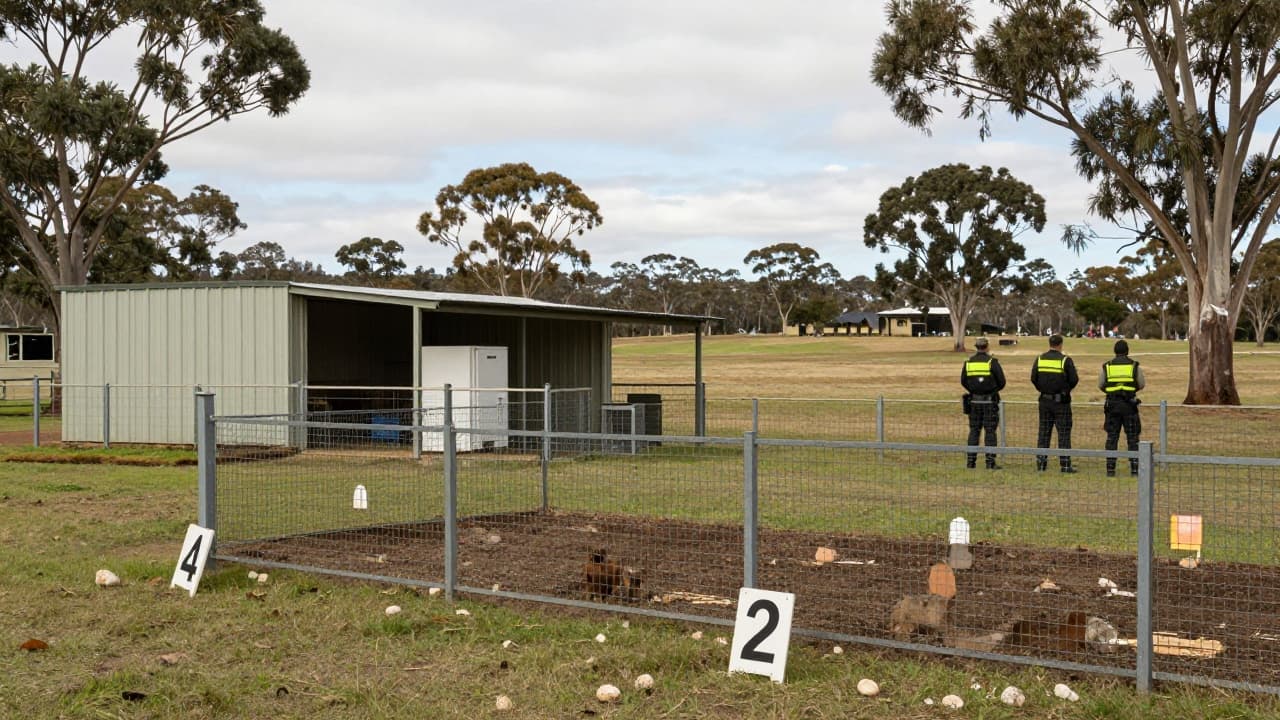
More than 700 native animals were found illegally prepared and frozen, and were seized from the antique shop owner's property last year. A regulator searched his shop and home in April last year as part of a broader crackdown on illegal wildlife trade. During the search, 14 freezers containing animals were found, and hundreds of dead reptiles, native birds and mammals were on the property.
Among the animals found were 78 emus, 42 brushtail possums and 26 echidnas, as well as remains of threatened species such as the barking owl, diamond python and Murray River short-necked turtle. 15 live reptiles were also found in enclosures, including North American red-eared slider turtles and corn snakes. The regulator noted that six reptiles were not kept to prescribed animal welfare standards and that the man did not hold a licence or authority under Victorian wildlife laws to acquire or possess animals.
Wildlife in Victoria is protected under the Wildlife Act 1975, which prohibits taking native animals without permission. Trading in dead animals requires a commercial or private wildlife licence, and Victorians who wish to taxidermy animals must obtain a licence from the conservation regulator.
At a hearing before the local court in Kynton on Tuesday, Magistrate Patrick Southey told the man it was 'astonishing that a man of your intelligence and knowledge and love of wildlife so arrogantly breaches the law so comprehensively'. Cal Heppell, director of regulatory operations at the conservation regulator, stated that the scale of the offences in this case highlights why Victoria has strong protections for wildlife and animal welfare.
Georgie Purcell, a member for the Victorian Animal Justice Party, said that wildlife laws in Victoria are not strong enough and called on the government to modernise the 50-year-old welfare law. She described the $10,000 fine as 'barely deterrent' and said it does not send a message to the community that wildlife is valued and protected in Victoria.