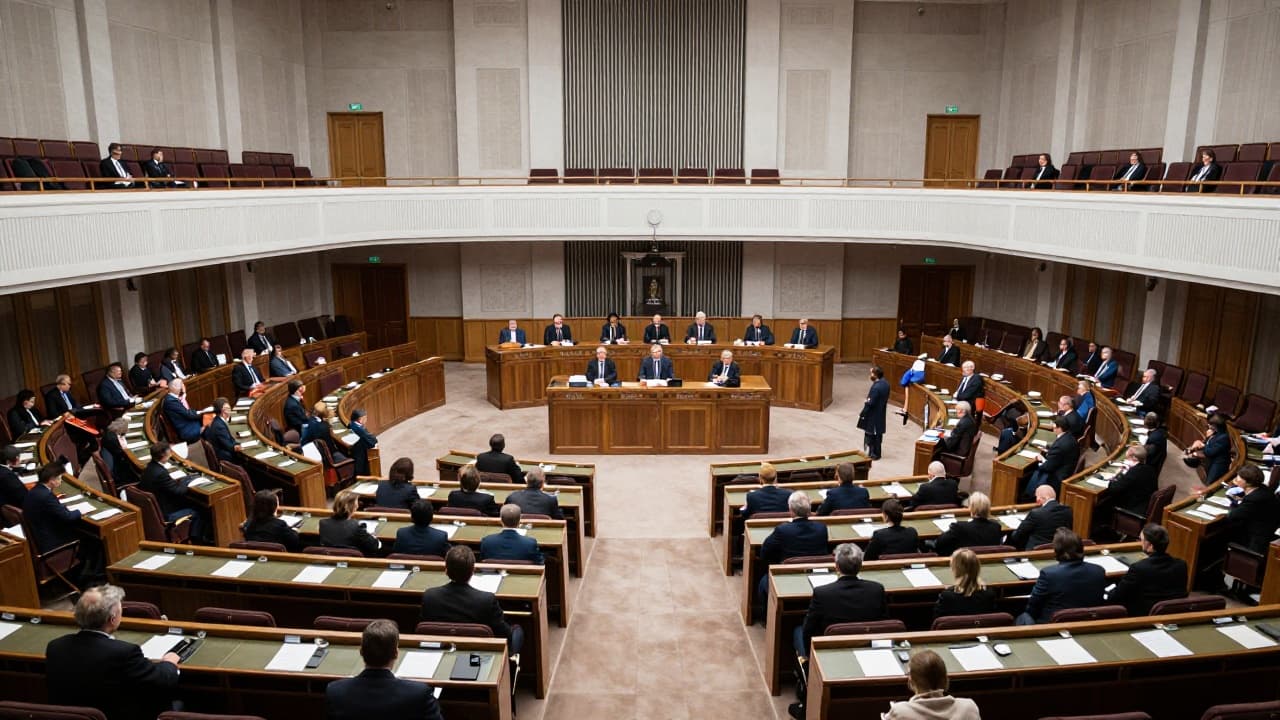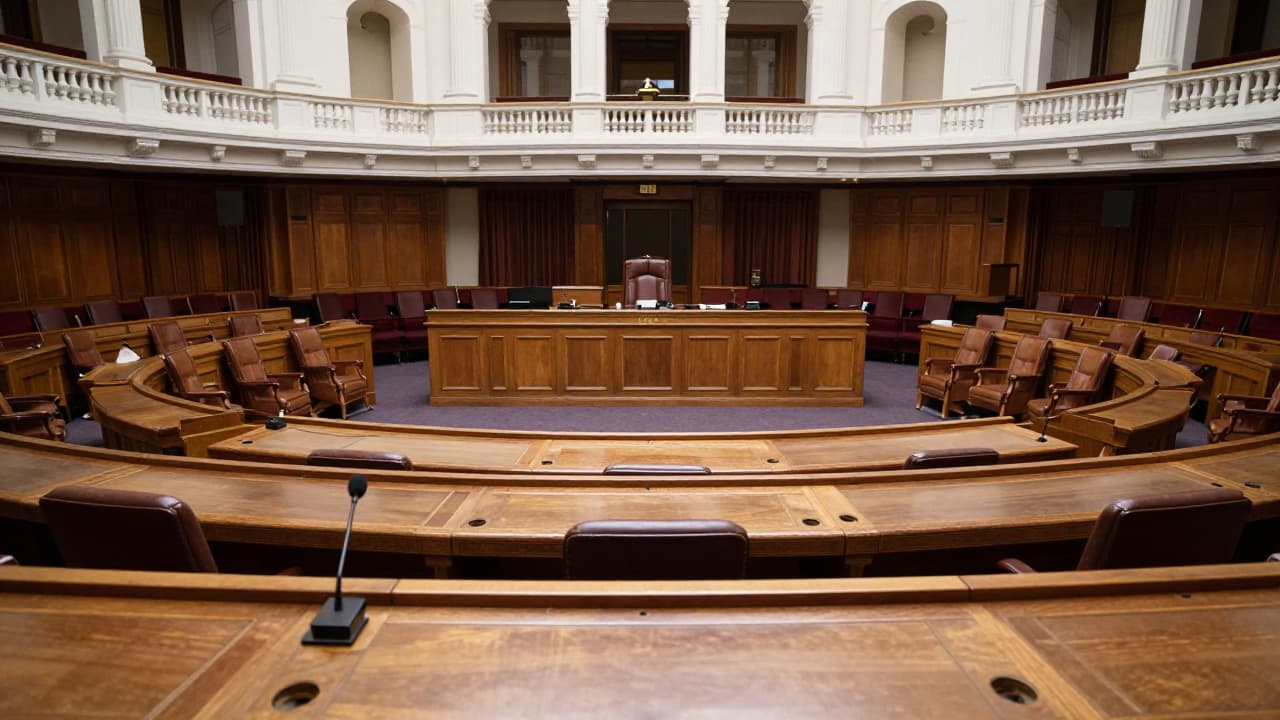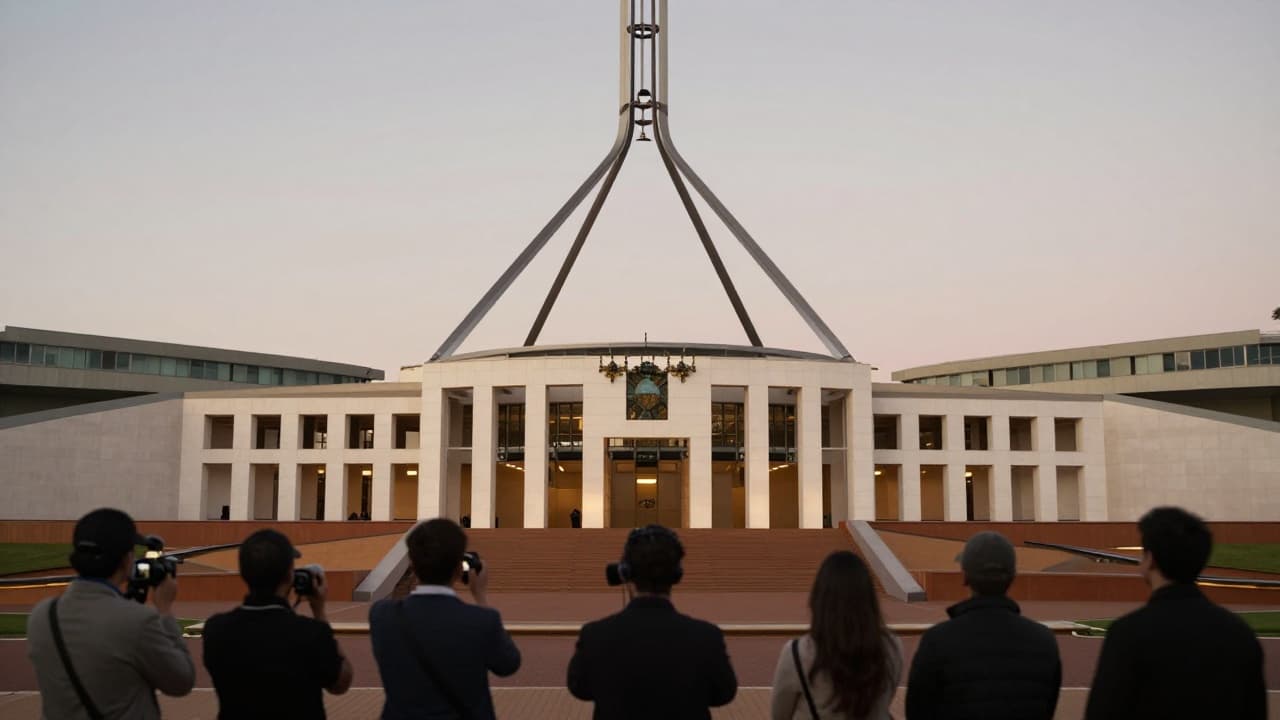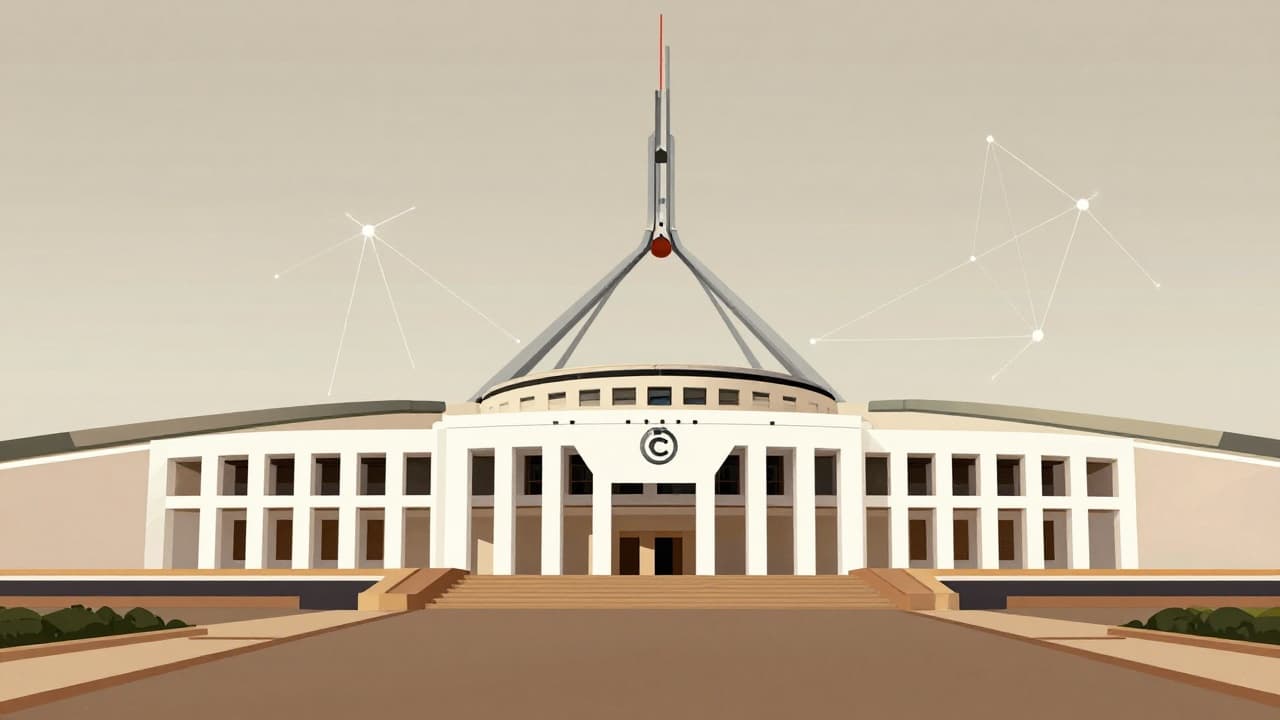
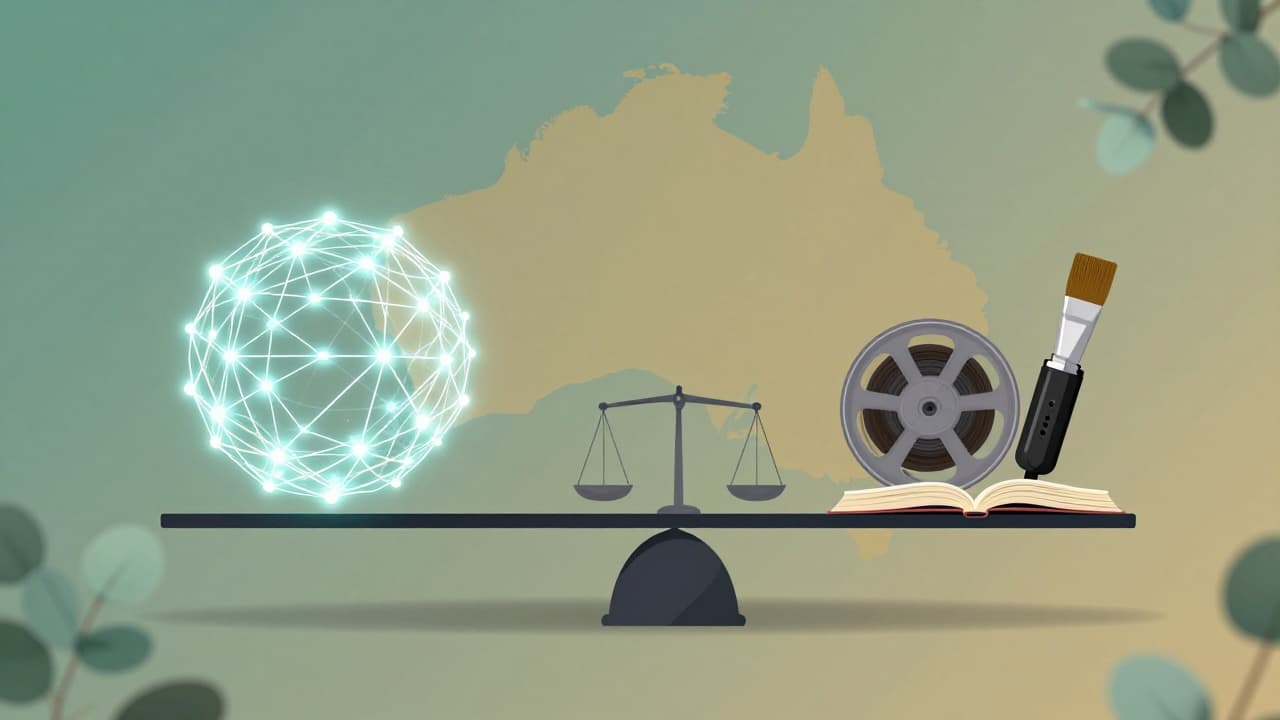
Australian minister Anika Wells stated that investments in artificial intelligence and the protection of creators' rights are not a zero-sum game. She rejected the scenario in which the building of Australian sovereignty in the field of artificial intelligence must come at the expense of creators.
Wells highlighted that creators currently do not have control over their work and often receive no payment for it. In doing so, she warned of the imbalance in the position of authors relative to technology companies that use their content.
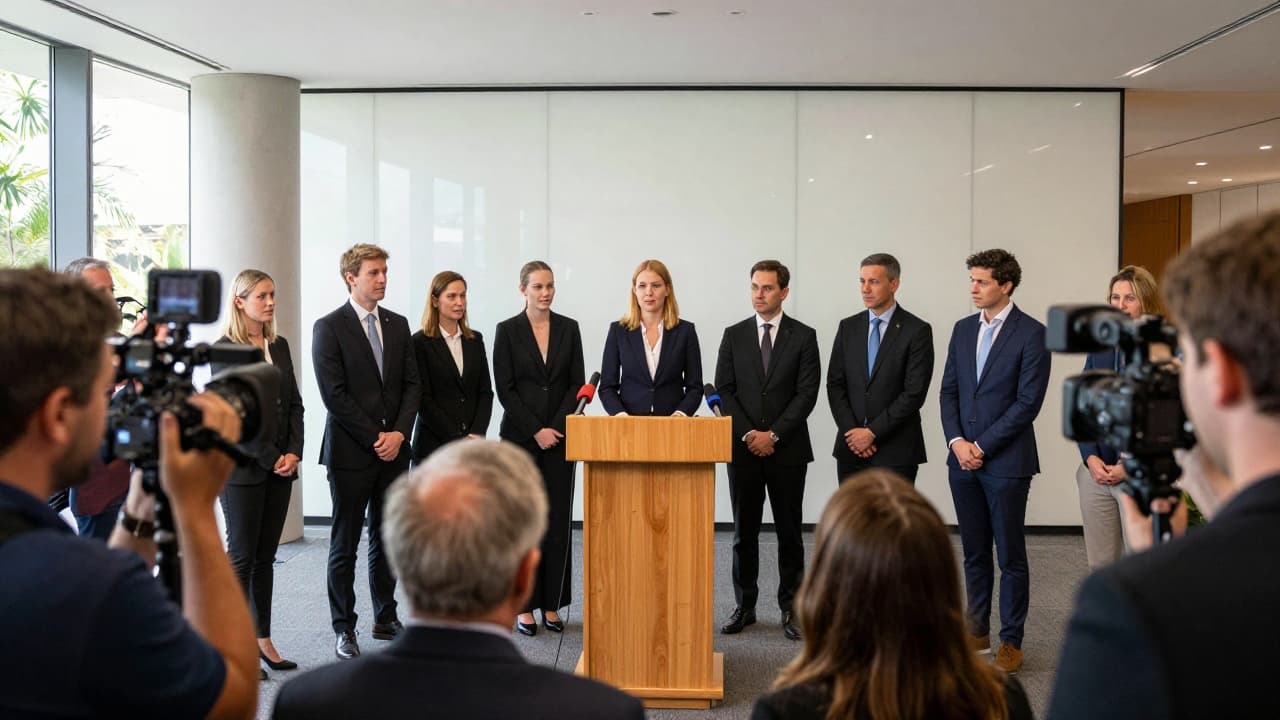
Alongside the debate on artificial intelligence, finance minister Jim Chalmers said that the Australian economy is facing a particularly difficult period. When asked by journalists in Canberra whether the country was facing an economic emergency, he replied that it was a very serious moment for the economy and that the government would respond in significant ways.
Chalmers noted that the combination of economic problems motivated his statement on Monday, which he described as probably the most substantive mid-year budget update review he had seen in that building. He also highlighted that the Australian labour market had had a better experience than other countries, referring to Reserve Bank forecasts that wages would grow faster than prices next year.
According to him, 2026 was a particularly difficult year for people. He expects inflation to remain longer than anyone would like, but also to fall within the target range in 2027. He also expects a return to real wage growth in line with Treasury and RBA forecasts for 2027, and that the economy will continue to grow. Chalmers also said that no amount of budget cuts would solve Australian inflation, promising that prices would rise.
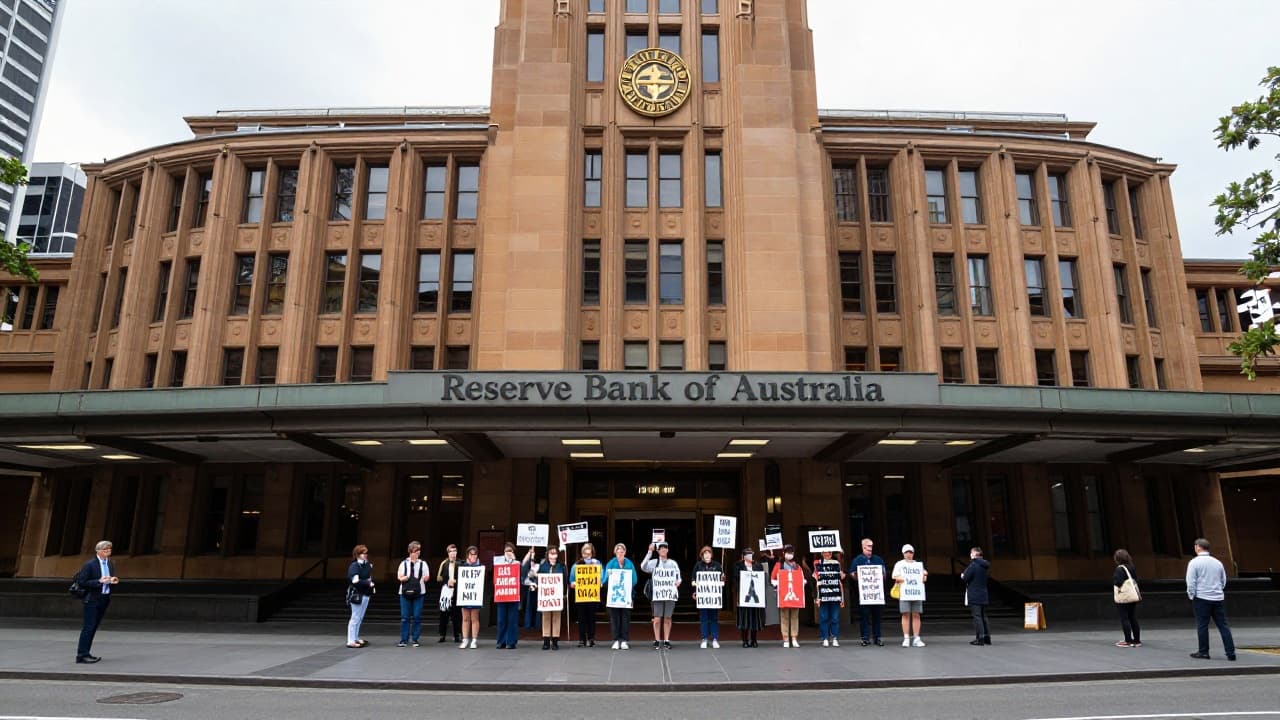
Opposition member Tim Wilson blamed government spending for today's higher inflation figures, calling it persistent government inflation. He stated that inflation had defeated the finance minister and the Albanese government. He also expressed deep concern about the rise in unemployment to 4.9 per cent, asserting that the Reserve Bank had said this would not happen by the end of next year and that the government did not understand that they were one of the key drivers of inflation.
In a separate development, early learning centres in Broken Hill will be tested after it was discovered that 10 centres had lead levels up to 10 times the national limit. The New South Wales Environment Protection Authority (EPA) announced that around 30 centres for children aged five and under would undergo mandatory environmental lead testing, and the regulator would order remediation and cleaning where necessary.
Nancy Chang, acting chief executive of the EPA, said that the testing and remediation programme was a response to long-standing problems. She explained that children under five are at greater risk of harm from lead due to hand-to-mouth behaviour, touching and crawling on dusty surfaces, and that their young bodies absorb a higher proportion of lead than adults as they grow.
Green senator Cate Faehrmann raised questions this year that revealed soil tests showed lead levels up to ten times the national threshold in 10 centres. Four centres were subsequently remediated. Faehrmann said the response was long overdue, but also that it was too little and too late to prevent generations of children from suffering lifelong developmental problems due to lead poisoning.