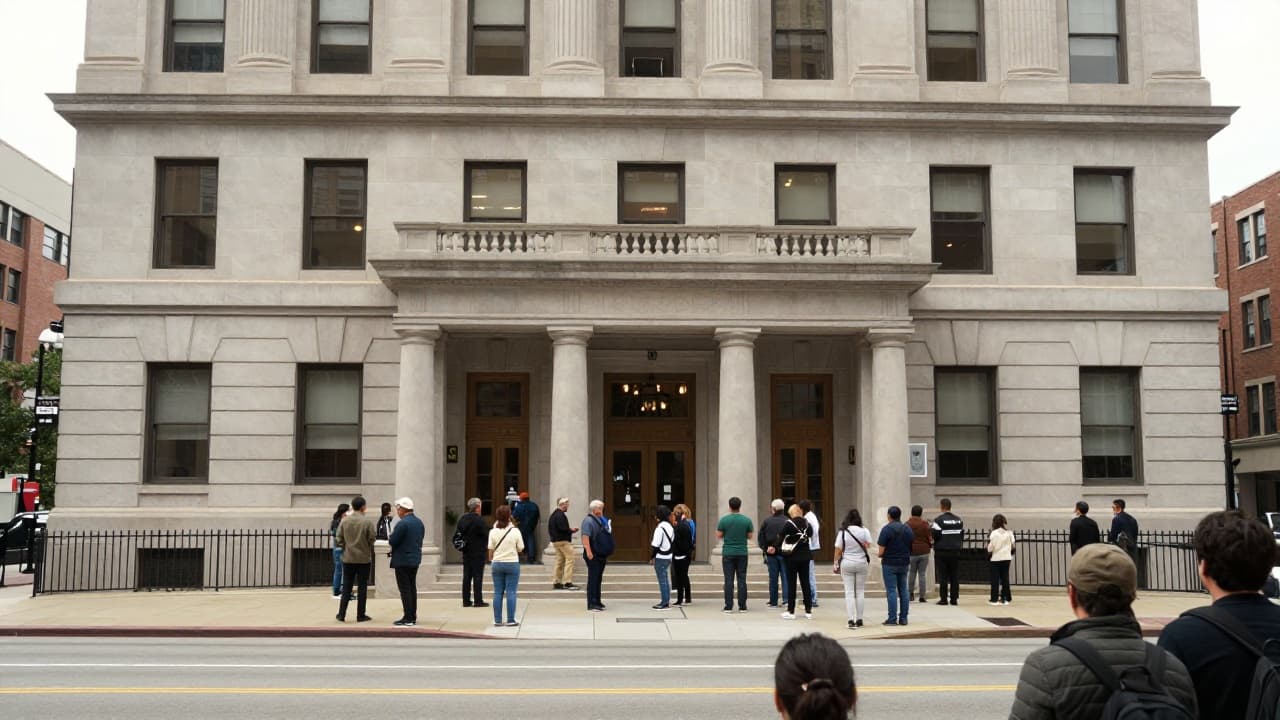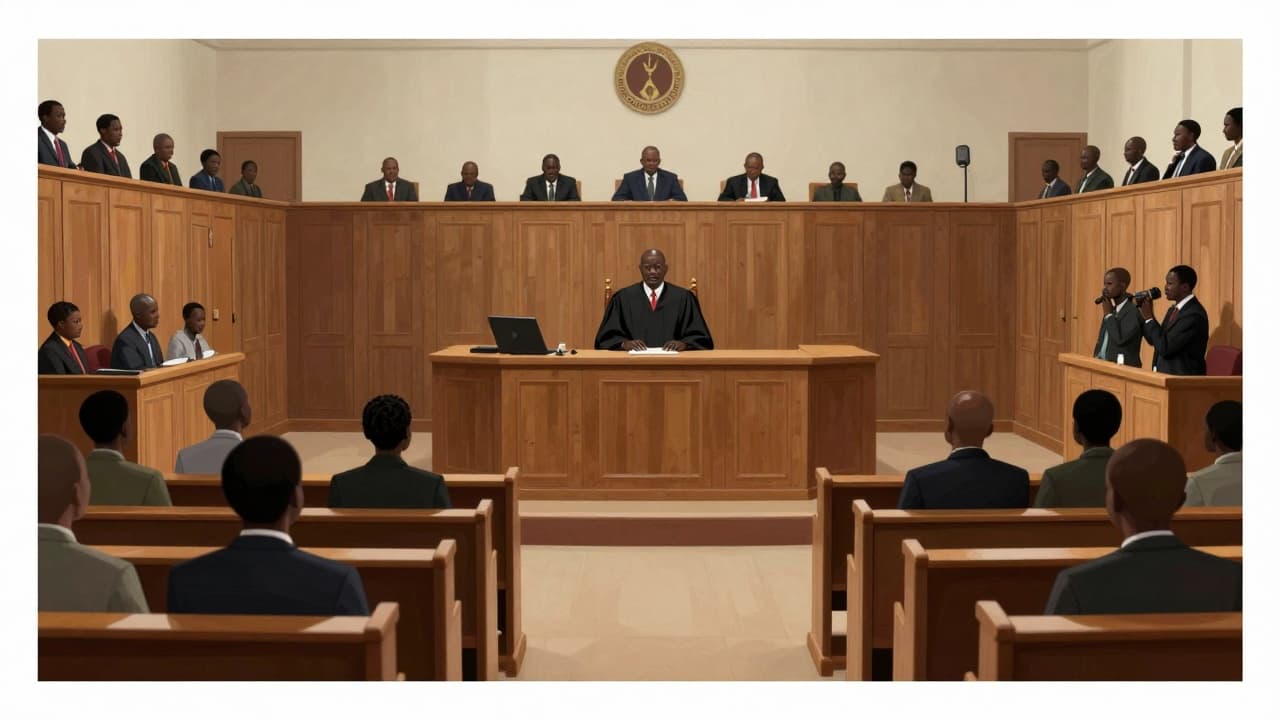
A witness in the Tupac Shakura murder trial remained inflexible during the proceedings, directly refusing to answer questions put to him. His stance was clear: testimony would be limited exclusively to aspects that would not result in the defendant, Duane 'Keffe' Davis, being sent to prison. This witness's attitude creates significant legal and ethical challenges during the trial, given that the purpose of testimony is to establish the truth, not necessarily to protect certain accused parties.
This trial involves serious charges, including murder, with Duane 'Keffe' Davis being one of the key defendants. Although Davis has denied all charges, stating he does not feel guilty, his defence and statements remain a subject of debate. On the other hand, McDonald, who is also connected to this case, stated that the charges against him would be withdrawn. This statement, although unclear regarding the exact timing or conditions, suggests that McDonald may intend to take responsibility or refrain from further participation in the legal process.
These events highlight the complexity of the legal situation in this case, where different rights and obligations clash, including the right to silence, the right to a defence, and the obligation to testify. These challenges are common in the legal system, where different rights and obligations must often be balanced to ensure justice for all involved parties.