Unemployment among citizens with higher professional qualifications in Germany has reached a record level, with the trend particularly pronounced among young people, according to data from the Federal Employment Agency (Bundesagentur für Arbeit). In August, 372,000 highly educated citizens were without work, and the trend of rising unemployment in this group has continued for the fifth year in a row.
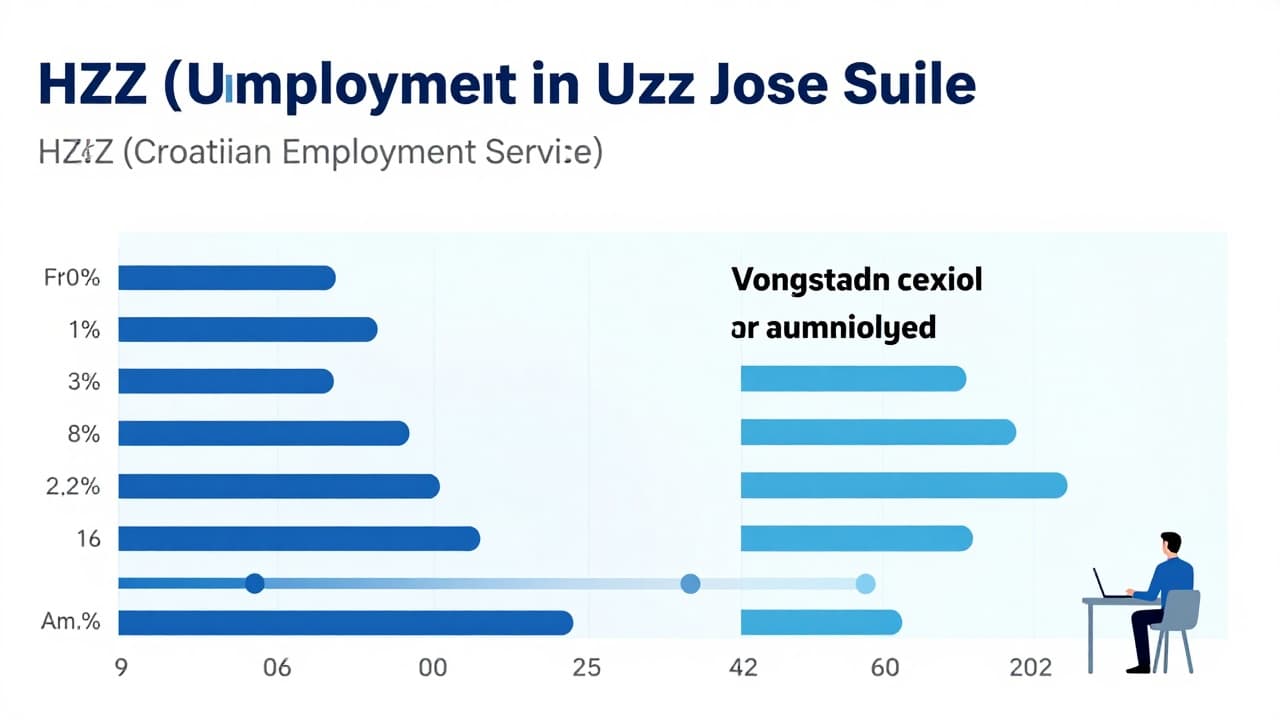
The increase is occurring against a backdrop of a weak economy and the widespread application of artificial intelligence. The unemployment rate among citizens with higher professional qualifications in 2025 stood at 3.3 per cent, which is approximately half the overall average. Among citizens with completed vocational training, the rate was 3.6 per cent, while among those without formal vocational qualifications, it exceeded 21 per cent.
Within the group of highly educated individuals, differences are significant. Unemployment among graduates of teaching studies was less than two per cent, among engineers it was 3.8 per cent, and among graduates of humanities 4.6 per cent. Young people just entering the labour market are in a particularly disadvantaged position, with the highest number of unemployed highly educated individuals recorded in the age group under 30.
The agency believes that artificial intelligence will generally not completely replace existing jobs. However, at the end of October, German industrial giant Siemens warned that the increasing application of artificial intelligence could jeopardise apprenticeship positions, thereby depriving young employees of the opportunity to gain practical experience and skills.
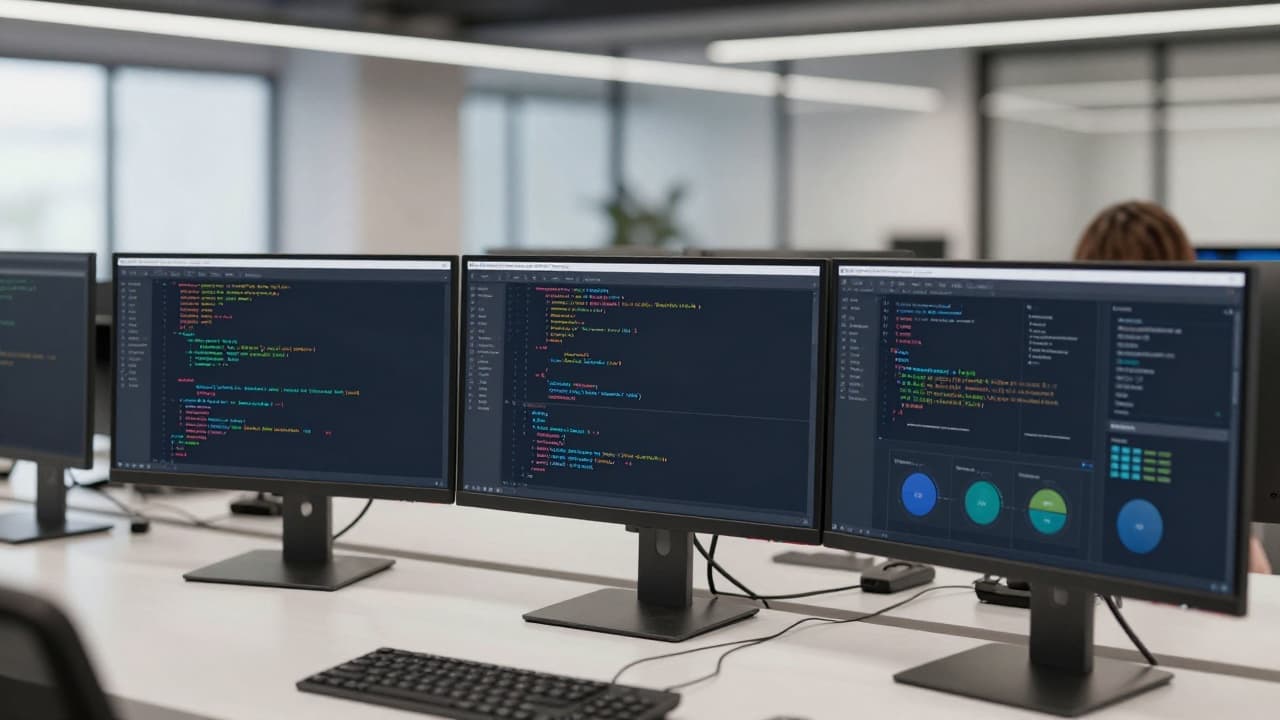
Employees could miss the opportunity to develop key skills if they are denied the chance to gain practical experience and progressive improvement, explained Siemens’ director for human resources and sustainability, Judith Wiese. She cited software development as an example, where artificial intelligence and AI agents are increasingly taking over the writing of simpler, and even more complex, code, while programmers must know how to critically assess the results obtained and recognise potential errors.
"The key question is always what I have to do myself, check, and see how artificial intelligence does not lead me astray," Wiese said. It is important that companies give young employees the opportunity to perform tasks independently so that they can develop the skills necessary for the critical assessment of results generated by artificial intelligence, the head of Siemens said.