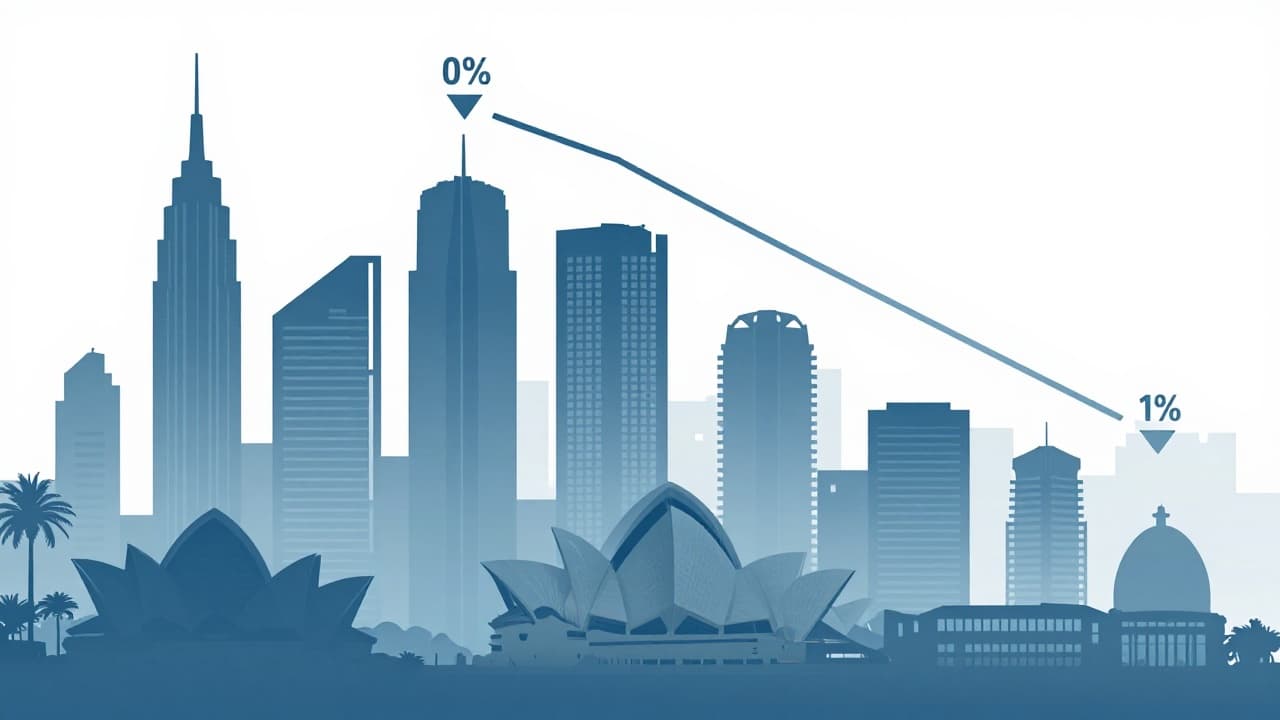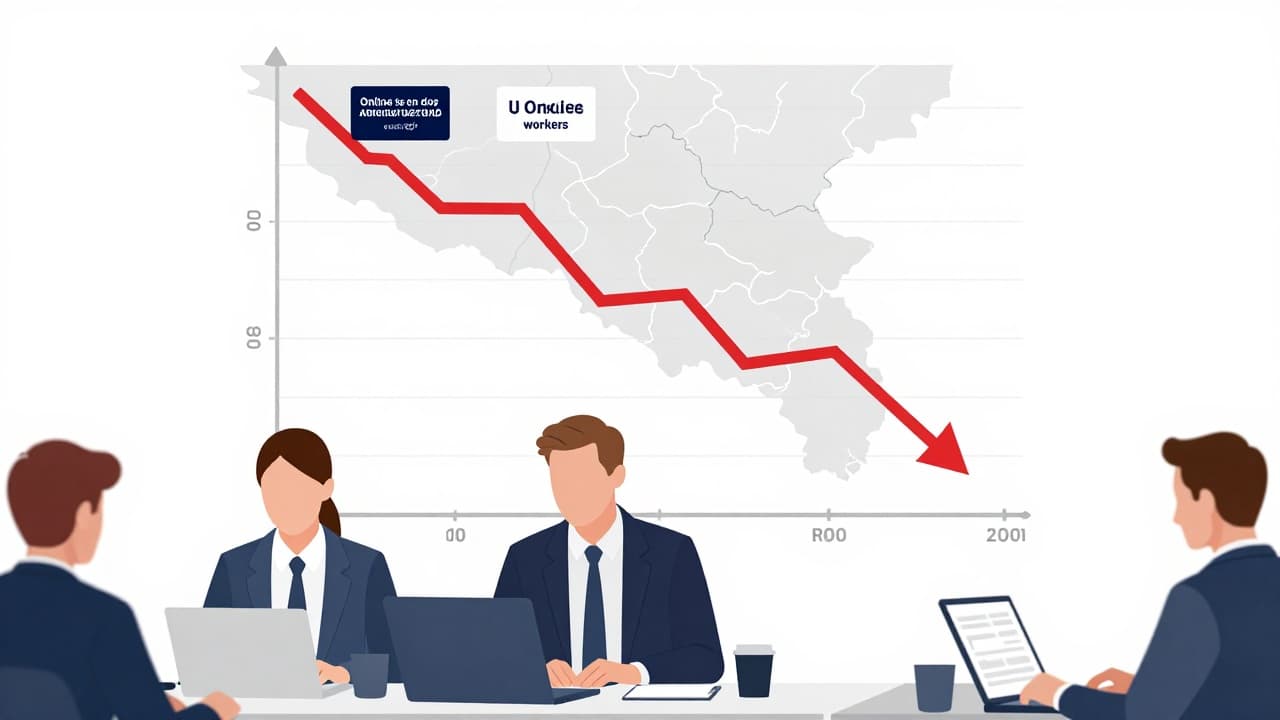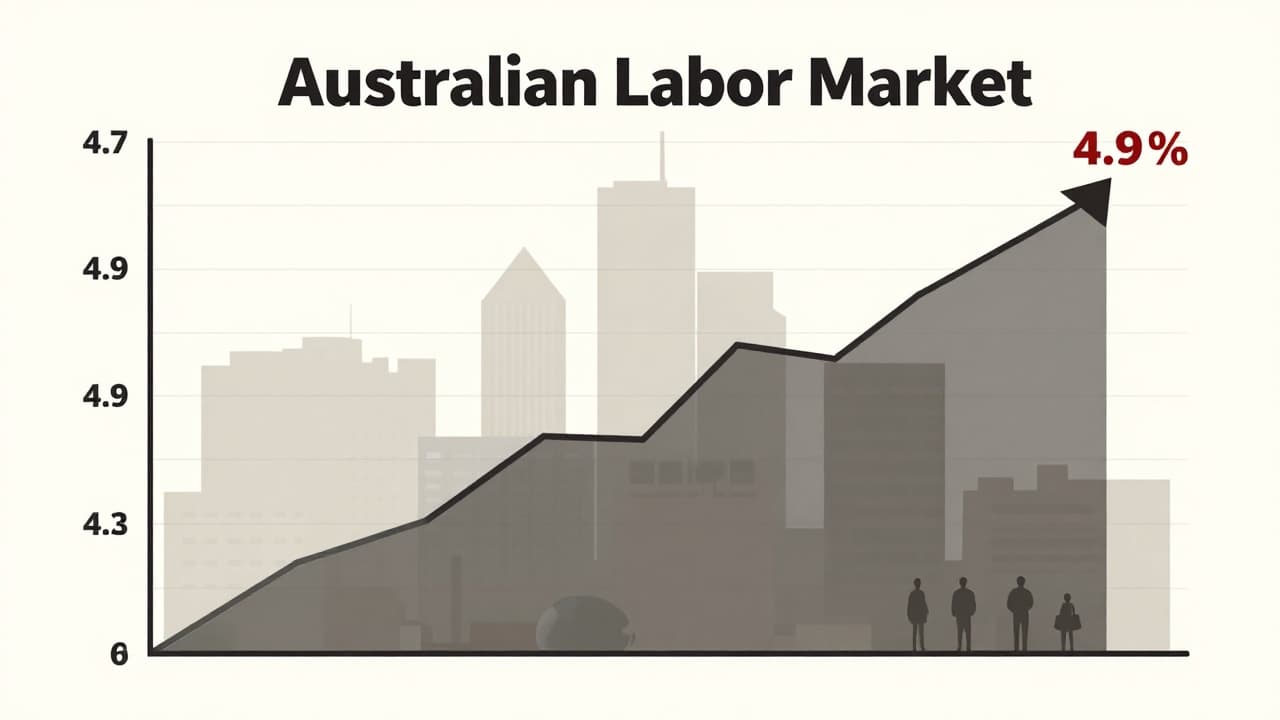
The unemployment rate in Australia rose from 4.7 to 4.9 per cent in October, the Australian Bureau of Statistics announced. This marks the highest level in five years, while the number of employed persons decreased by 43,500 during the month.
At the start of the year, unemployment stood at 4 per cent, meaning it has approached levels recorded before the pandemic in just a few months. The number of employed Australians fell in three of the last four months, pointing to a trend of weakening in the labour market.
Full-time employment dropped by 2,900, while part-time employment decreased by 40,600 people. David Bassanese, chief economist at Betashares, stated that there are open questions regarding seasonal movements in labour force data that could provide a falsely weak picture of the labour market. He added that these employment declines could signify that the last interest rate hike has been seen. According to him, consecutive large drops in employment may suggest the economy already has one foot in recession.
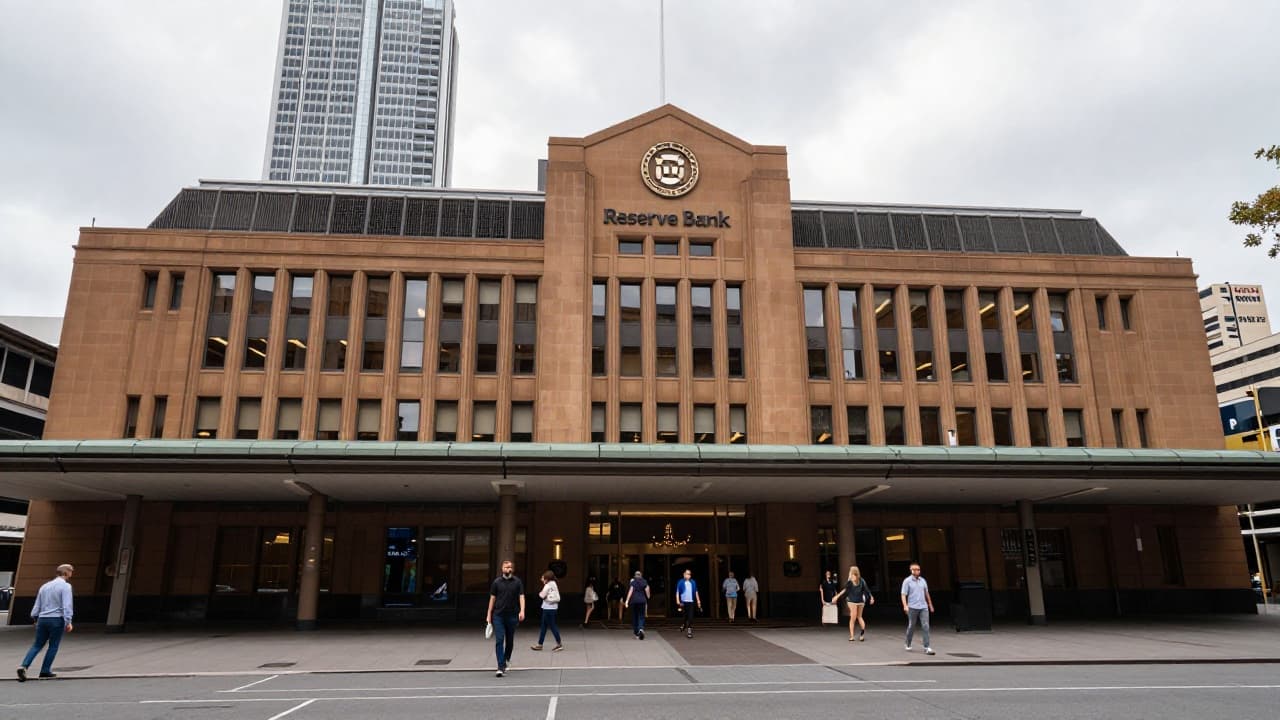
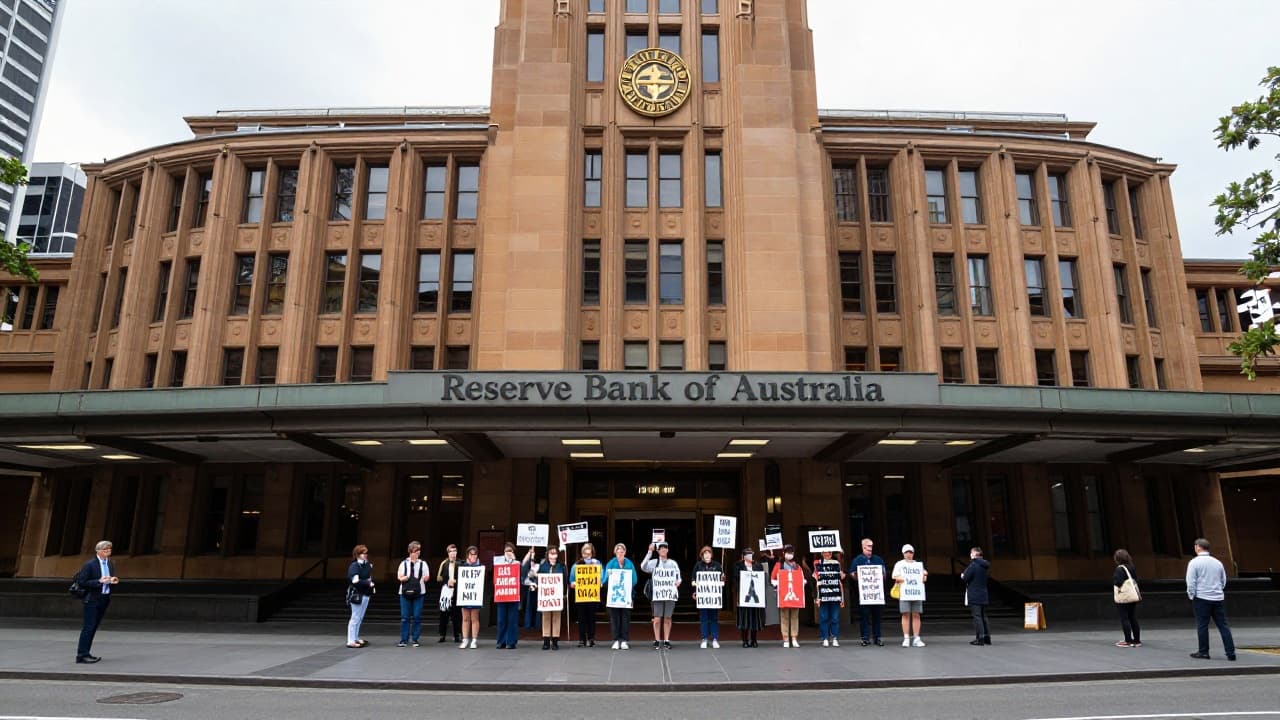
Sunny Nguyen, head of Australian economics at Moody's Analytics, assessed that the Australian labour market has unequivocally turned. The latest data, he believes, almost closes the door on any possibility of an interest rate hike before Christmas. Nguyen also highlighted that the Reserve Bank of Australia is divided over whether policy has gone far enough.
Three members of the Reserve Bank of Australia board voted against an interest rate hike on the day of the Melbourne Cup, while three dissenters warned of a materially sharper economic downturn. The bank earlier this month raised its unemployment forecast to a peak of over 5 per cent by the end of 2028. However, the labour market is now one step away from that level two years early. There have been five interest rate hikes this year.