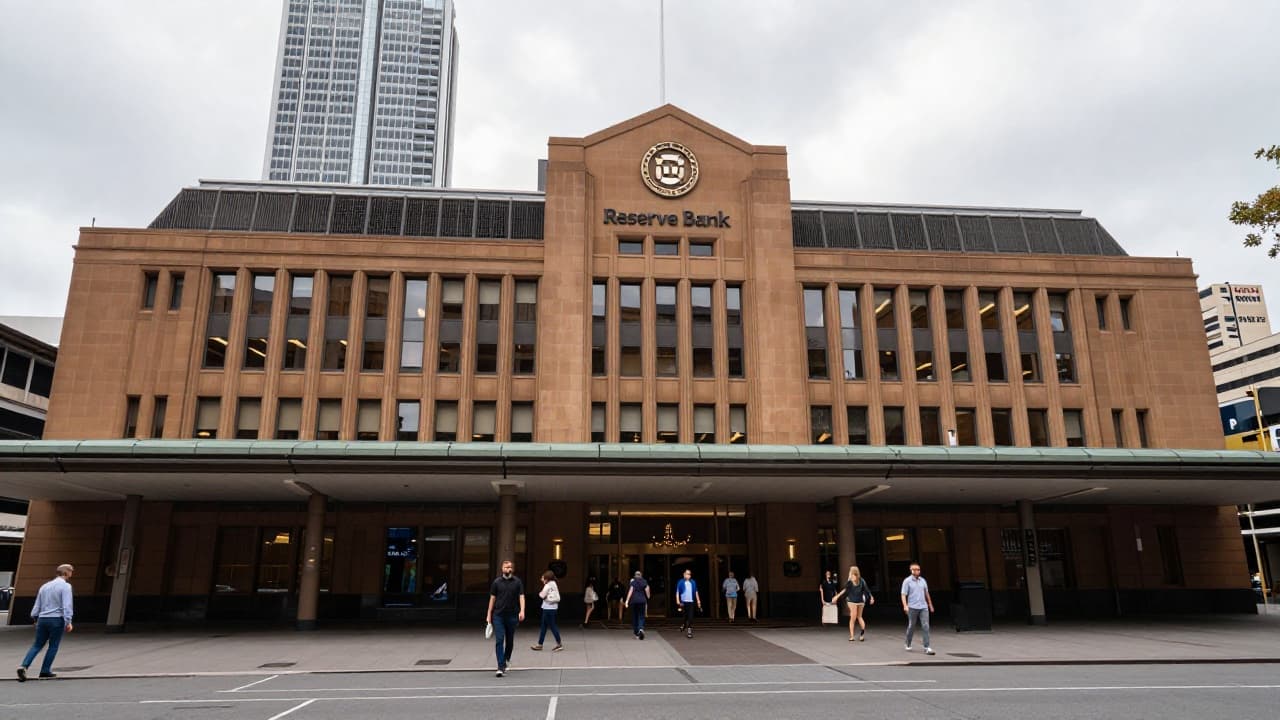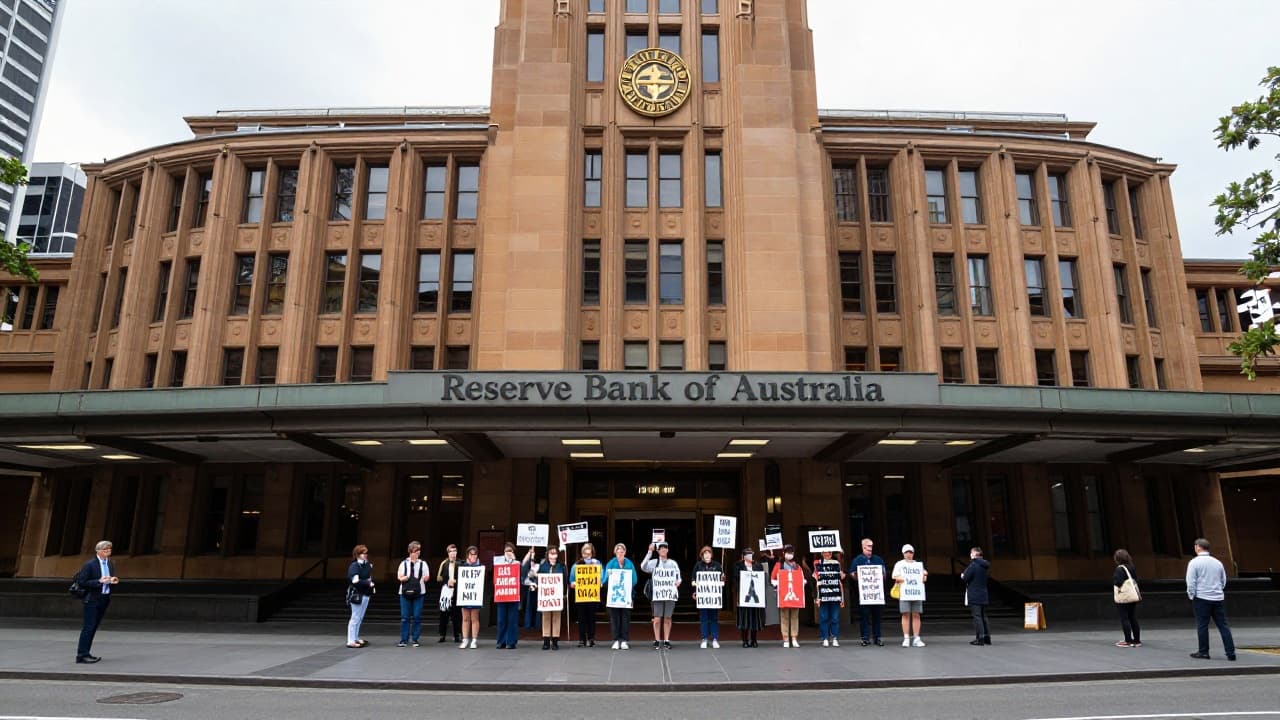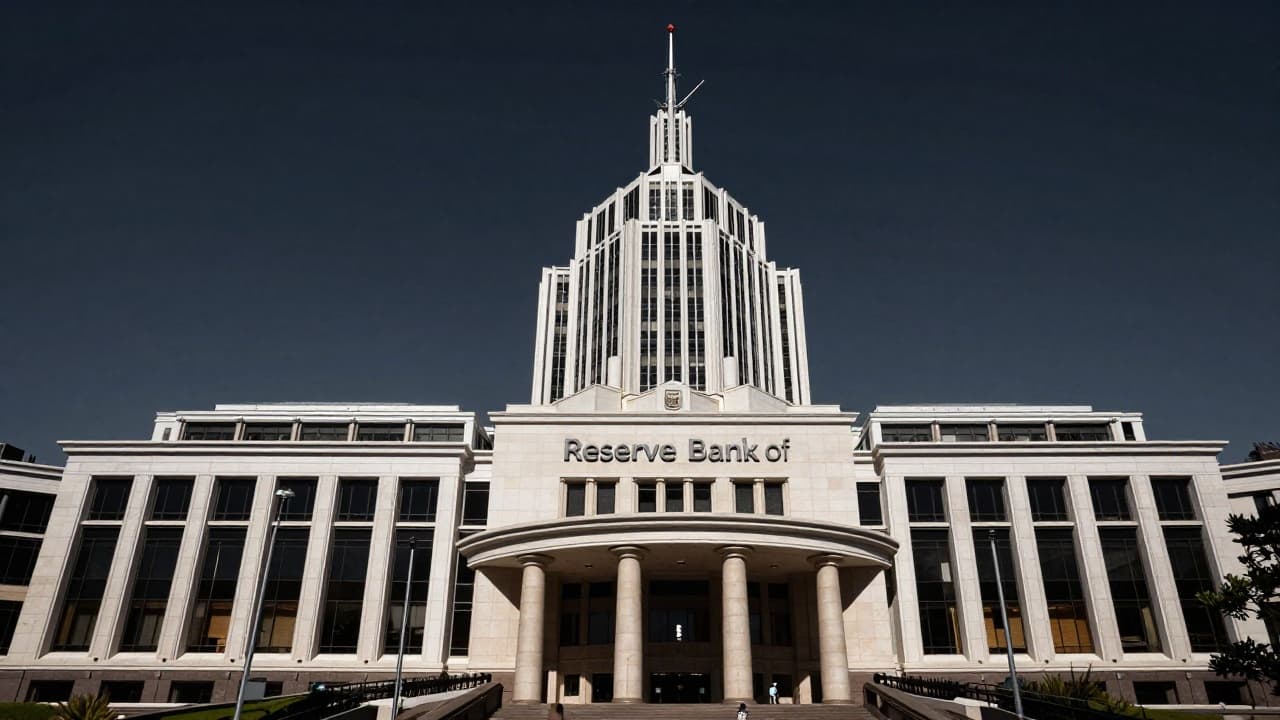
The Reserve Bank of Australia (RBA) raised interest rates to 4.85 per cent, up from 4.6 per cent. This is the fifth rate increase this year, bringing the rate to its highest level in 18 years, or since 2008. The move followed an attempt to regain control over rising inflation, which jumped to 4.3 per cent in the year to September, driven by a global oil shock caused by the war in the Middle East.
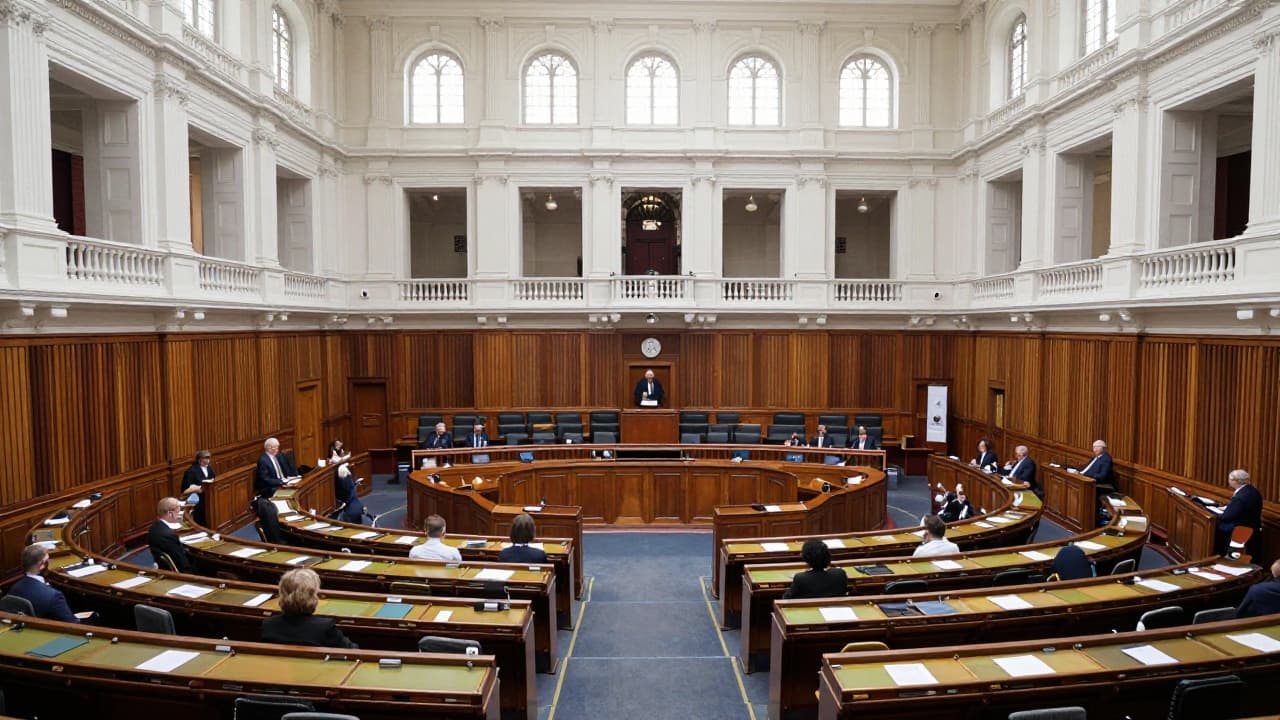
The decision split the monetary policy board: six members voted for the increase, while three voted to hold the rate. Members who favoured a hold expressed concern over risks to the economy, including rising unemployment and weakness in the housing market. In a statement after the meeting, the board reiterated that it will "continue to do what it considers necessary to bring inflation sustainably back to target", but the statement did not include an explicit reference to the potential need for further rate increases.
RBA Governor Michele Bullock stated: "this is not the news that many Australians want to hear, but it is what's needed to get inflation down". She added that "some pain now will prevent even worse pain down the track". She described the RBA's independence from the government as a "two-way street", explaining: "I don't tell them what to do with fiscal policy. They don't tell me what to do with interest rates."
The rate increase will affect more than 3.3 million households with home loans. According to Canstar, the latest increase will raise the monthly interest on a $700,000 home loan by $107, while the total increase in repayments across this year's five rate rises amounts to $532.
RBA forecasts in the Statement on Monetary Policy indicated that the cost-of-living crisis will persist for another year. Inflation will rise during the final months of 2026 and fall below 3 per cent only by the end of next year. The RBA noted in the SOMP that public demand was weaker than expected during the first six months of 2026, and global oil prices are expected to decline over the next 18 months, but remain relatively elevated. Weak economic growth is forecast until the end of 2028 — the economy will grow by 1.6 per cent this year, and 1.3 per cent in 2027. Unemployment is currently 4.7 per cent and is expected to be around 4.9 per cent by the end of next year, before exceeding 5 per cent in 2028. The RBA nearly tripled its forecast for business investment growth in 2026 to 12 per cent.
The Australian dollar fell immediately against the US dollar following the decision. UBS economists described the decision as "clearly dovish", while Anthony Malouf, an economist at Ebury, said there is an "absence of a clear tightening bias".
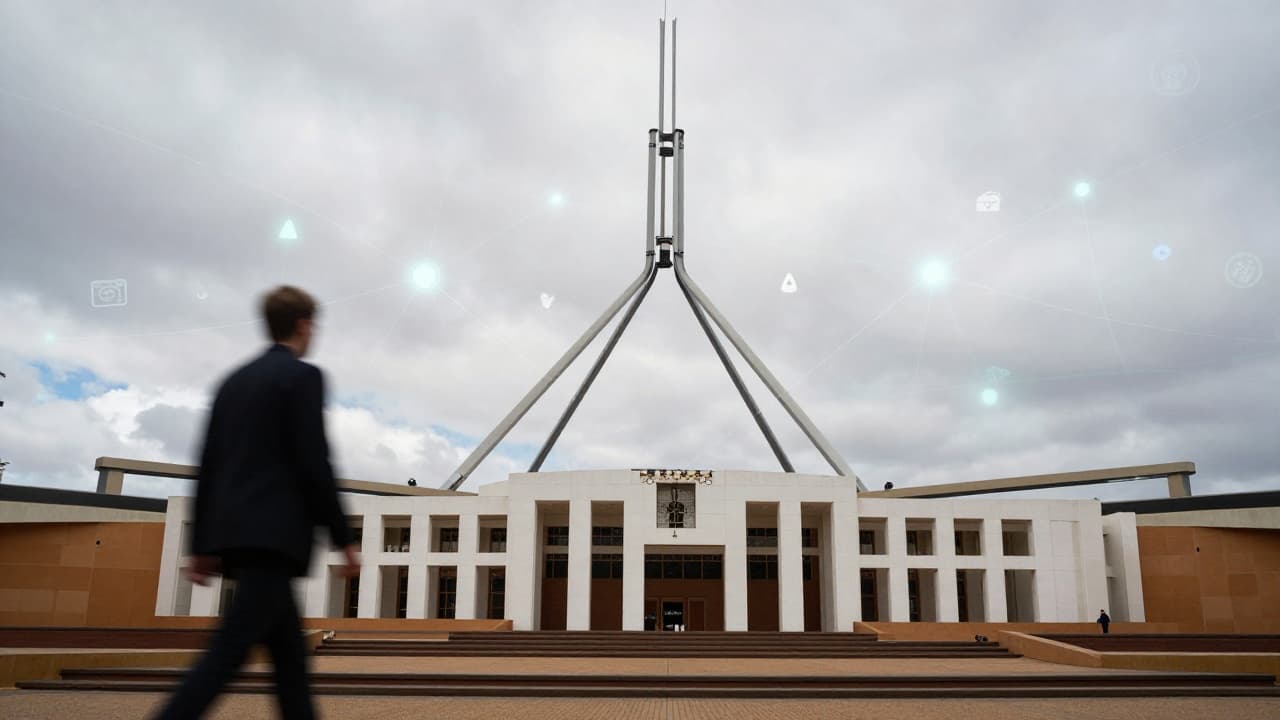
Treasury Minister Jim Chalmers stated: "Today's decision was widely expected, but that doesn't make it any easier for Australian families and businesses to absorb". He added: "It will be difficult news for many Australians who are already paying a hefty price for circumstances outside of their control". Chalmers cited the war in the Middle East as the main driver of inflation, noting that the war is in its ninth month and that its re-escalation is exerting persistent upward pressure on inflation.