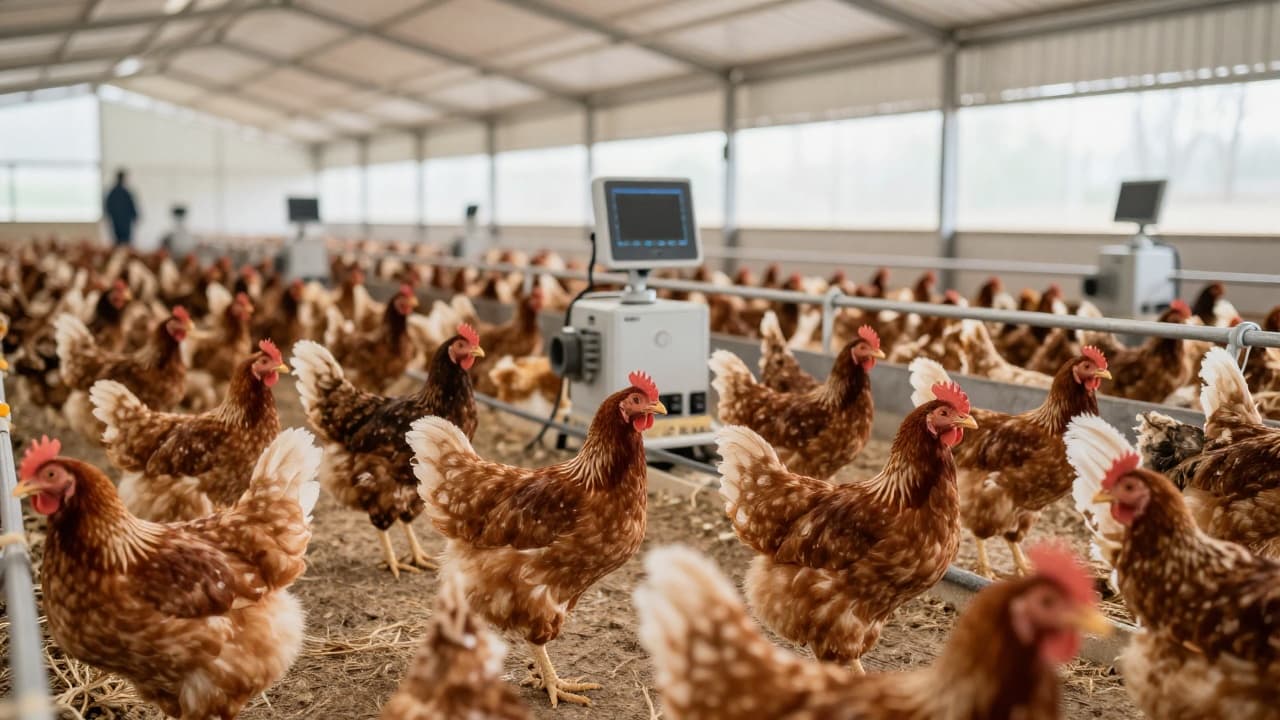
The Croatian Veterinary Institute warned poultry farmers on Friday to prepare for the possible return of Newcastle disease, also known as atypical fowl plague. It is an infectious disease affecting the respiratory, digestive and nervous systems of poultry, accompanied by reduced egg production and high mortality rates.
Newcastle disease has not been present in Croatia for more than 30 years, but the disease is spreading across Europe again. It has been recorded in Slovenia, Serbia and Hungary in recent years, indicating that the risk of the virus being imported into Croatia exists, said Vladimir Savić from the Poultry Centre of the Croatian Veterinary Institute.
According to Savić, the risk of virus import depends on the density of poultry production, trade flows, wild bird migrations and the local prevalence of the disease. Countries where outbreaks have been recorded in recent years are at greater risk.
The appearance of the disease can cause market disruptions and make it harder to supply consumers with eggs, chicken and turkey, while also affecting the price increase of these products. Preventing outbreaks is crucial and relies on maintaining a high level of biosecurity and surveillance systems. In the event of a confirmed disease in the European Union, strict measures are implemented, including the culling of infected poultry, restrictions on animal movement and enhanced surveillance.
Savić said that successful disease control is based primarily on good biosecurity, regular monitoring and the rapid detection of new cases. Vaccination is, he added, an important additional tool, but cannot replace these measures. There is no unified approach to poultry vaccination against Newcastle disease in the European Union. Countries where the disease rarely occurs mainly rely on early detection and the rapid culling of infected poultry, while countries more exposed to infection more frequently apply mandatory vaccination.
Savić also warned about the shortcomings of fully voluntary vaccination. Such an approach can lead to the creation of a poultry population where some animals are protected while others are completely susceptible to infection, which can make effective disease control more difficult.
Vladimir Savić, head of the National Reference Laboratory for avian influenza and Newcastle disease, warned poultry farmers of the possible return of the disease back in May at the scientific and professional symposium Poultry Days in Poreč. He stated that the return of the disease to Croatia should not be met with fear, but with caution, in order to minimise its consequences as much as possible.