
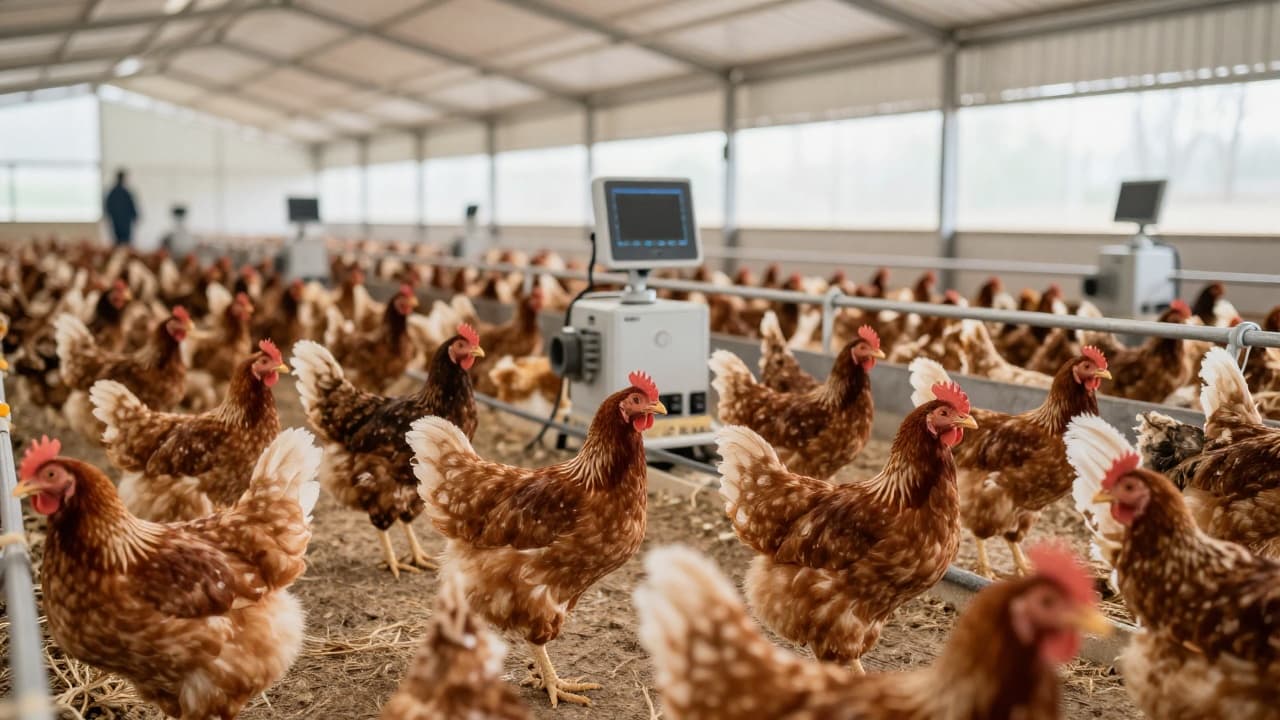
Newcastle disease, also known as atypical fowl pest, has once again become a threat to the European poultry sector. In Croatia, the disease has not been recorded for more than three decades, but it has been confirmed in recent years in numerous European countries, including neighbouring Slovenia, Serbia and Hungary.
The disease attacks the respiratory, digestive and nervous systems of poultry. It can cause reduced fertility and high mortality, and its consequences do not stop at individual farms. The disease can cause market disruptions, make supplies of eggs, chicken and turkey more difficult, and contribute to rising prices of these products.
In the European Union, Newcastle disease is considered a disease requiring rapid and decisive action. When the disease is confirmed, strict measures are implemented, including the removal of infected poultry, restrictions on animal movements and enhanced surveillance. In protecting poultry farms, it is important to apply biosecurity measures and ensure regular monitoring.
Vaccination is also available, but it is not a magic solution. European Union member states do not have a unified poultry vaccination policy against Newcastle disease, and vaccination decisions differ depending on production systems and the assessed infection risk. Some countries have enjoyed a favourable epizootiological situation for decades and consider it more effective to rely on early disease detection and the rapid removal of infected poultry, while countries under greater pressure from infection more frequently apply compulsory vaccination.
Completely voluntary vaccination can result in an uneven poultry population, in which some animals are protected while others are entirely susceptible to the virus. Savić concluded that the possibility of Newcastle disease returning to Croatia is not a reason for panic, but is a warning that poultry farmers need to be cautious and prepared.