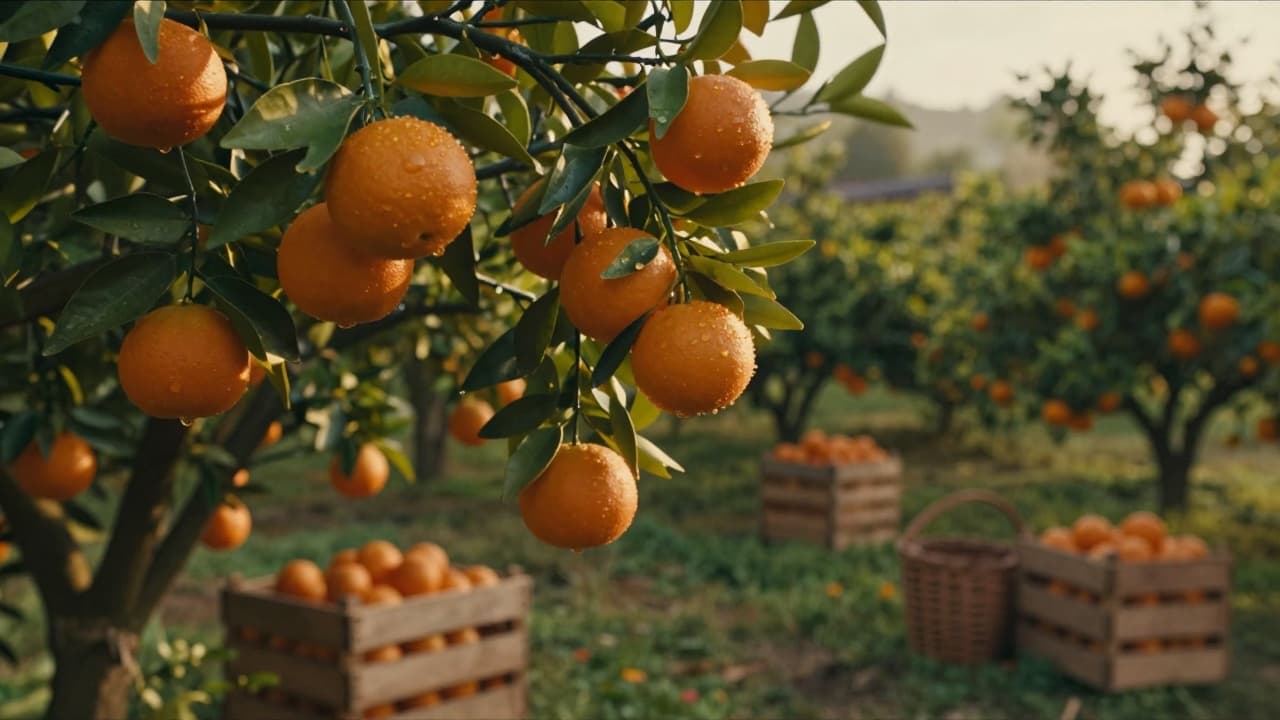
In the Neretva valley, a portion of the annual mandarin harvest remains unused because the fruit fails to meet market standards due to size, appearance or damage. According to producer estimates, in some years such mandarins can account for up to 30 per cent of total production, and there is no large industrial plant in the valley to process them.
Mandarin producer and market analyst Niko Kapović estimates that at least 10 to 15 per cent of the harvest fails to meet market conditions each year, with the share reaching 20 or even 30 per cent in certain years. The problems include, among other things, small fruit, irregular peel and sun damage. According to his calculation, if production is 50,000 tonnes and 20 per cent of the fruit does not meet market standards, that amounts to as much as 10,000 tonnes of mandarins.
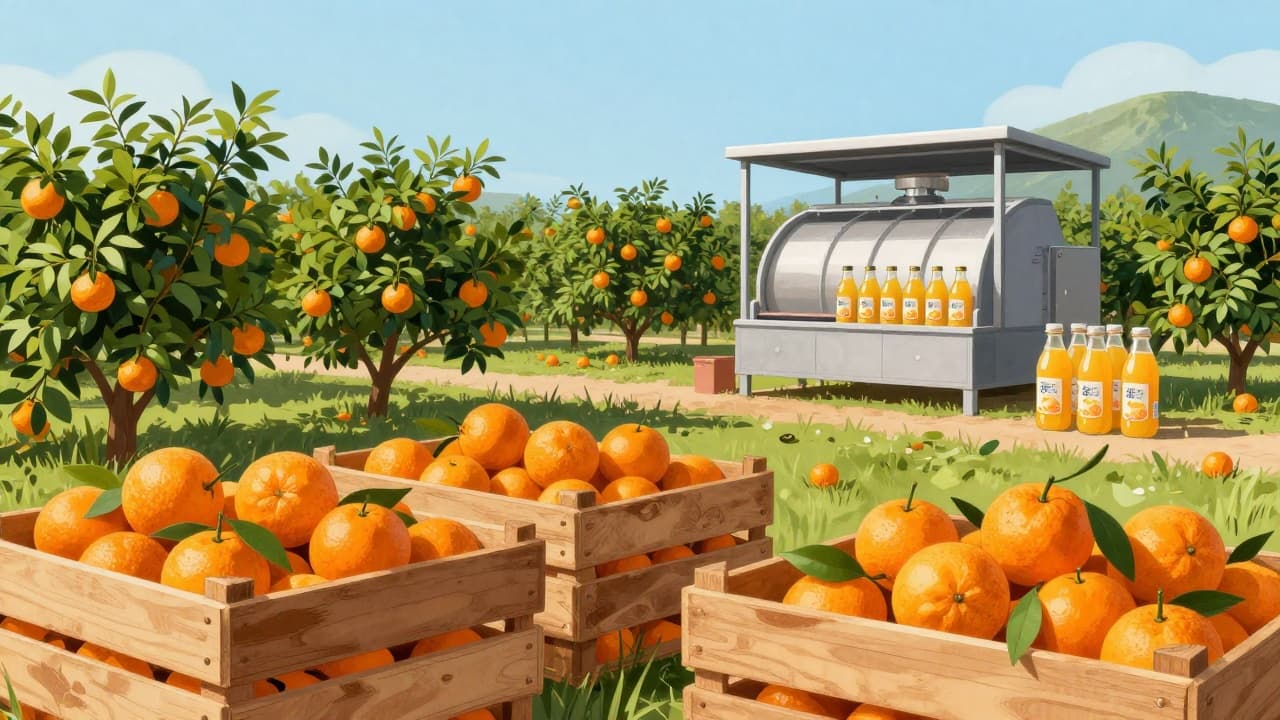
A rainy week temporarily halted the mandarin harvest in the Neretva valley, and when weather conditions improve, harvesting of late varieties will resume. Four family farms have found a way to give new value to some of this fruit by producing natural juices. In the Neretva valley, four small producers process fruit and vegetables into juices, using apples, pomegranates, lemons and certain types of vegetables in addition to mandarins.
Juice producer Josip Tutavac from Opuzen starts the processing season in early October, when pomegranates ripen. After pomegranates come mandarins, while apples and combinations of apple with celeriac and carrot are processed concurrently. Around 80 per cent of production is destined for his own brand, which is distributed to hospitality establishments across Croatia. His plant can produce between 1,200 and 1,500 litres of juice daily, producing around 90,000 litres during the three-month season.
The juices are obtained by squeezing and pressing the fruit, followed by pasteurisation, i.e. heating to 80 degrees and rapid cooling. No sugar, preservatives, water or other additives are added, and pasteurisation allows the juice to remain stable for up to two years. The young Jelčić family located their production plant in the Ploče Business Incubator (Poduzetnički inkubator Ploče), where they were given a production facility to use upon opening. Sara Jelčić is a juice producer.
In addition to producing juices for the market, the small plants also offer fruit processing services to other farmers. Farmers bring their own fruit, pay for processing and packaging, and take the finished juice home. Mili Tolj from Ploče brings mandarins and lemons for processing every year, while Ante Bjeliš from Opuzen is using Čahara variety mandarins this year to produce juice without additives. His Čahara mandarins remained smaller due to drought but ripened well.
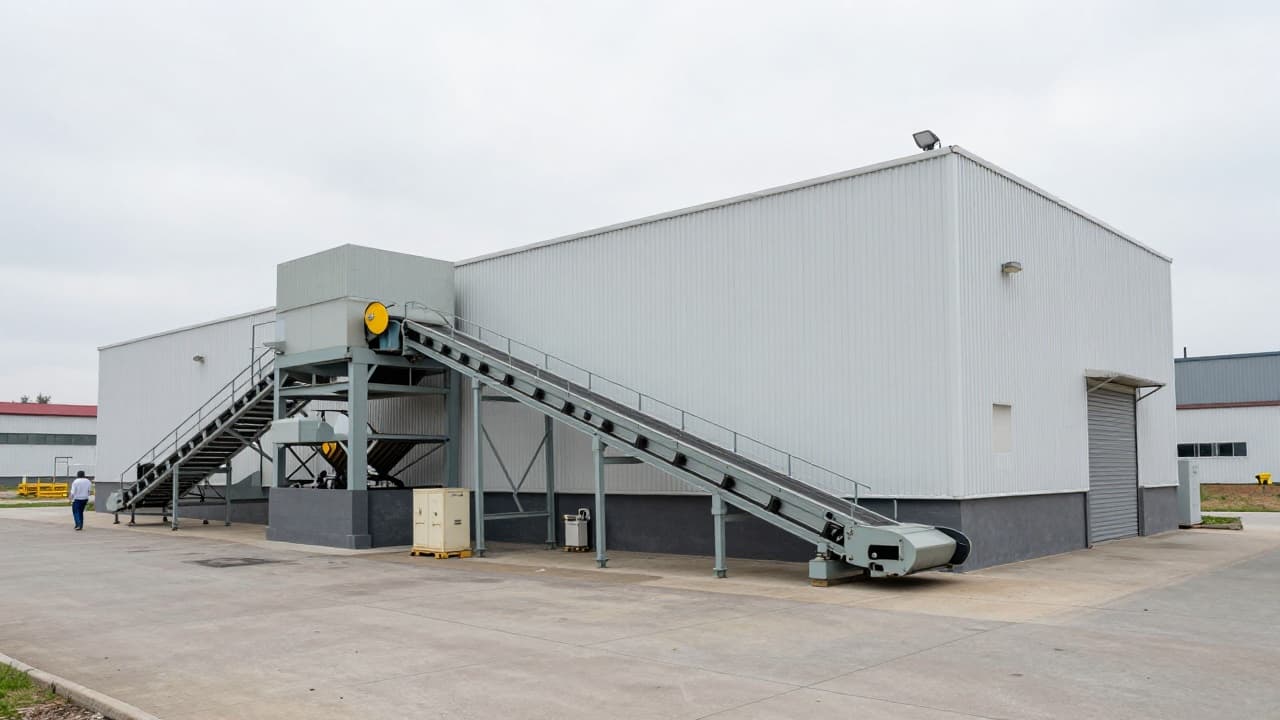
Existing capacities are not sufficient to process all mandarins that fail to meet market standards. Individual plants can process between four and six tonnes of fruit daily, and Kapović estimates that all plants combined can process a maximum of around 1,000 tonnes of mandarins. A juice concentrate factory was built in the 1980s but soon ceased operations, and a distillery project also failed after the Homeland War. Processing mandarins into distillates is economically demanding due to their relatively low sugar content. In addition to juices from mandarins, apples and lemons, beverages from pomegranates and wild rosehips are also produced.