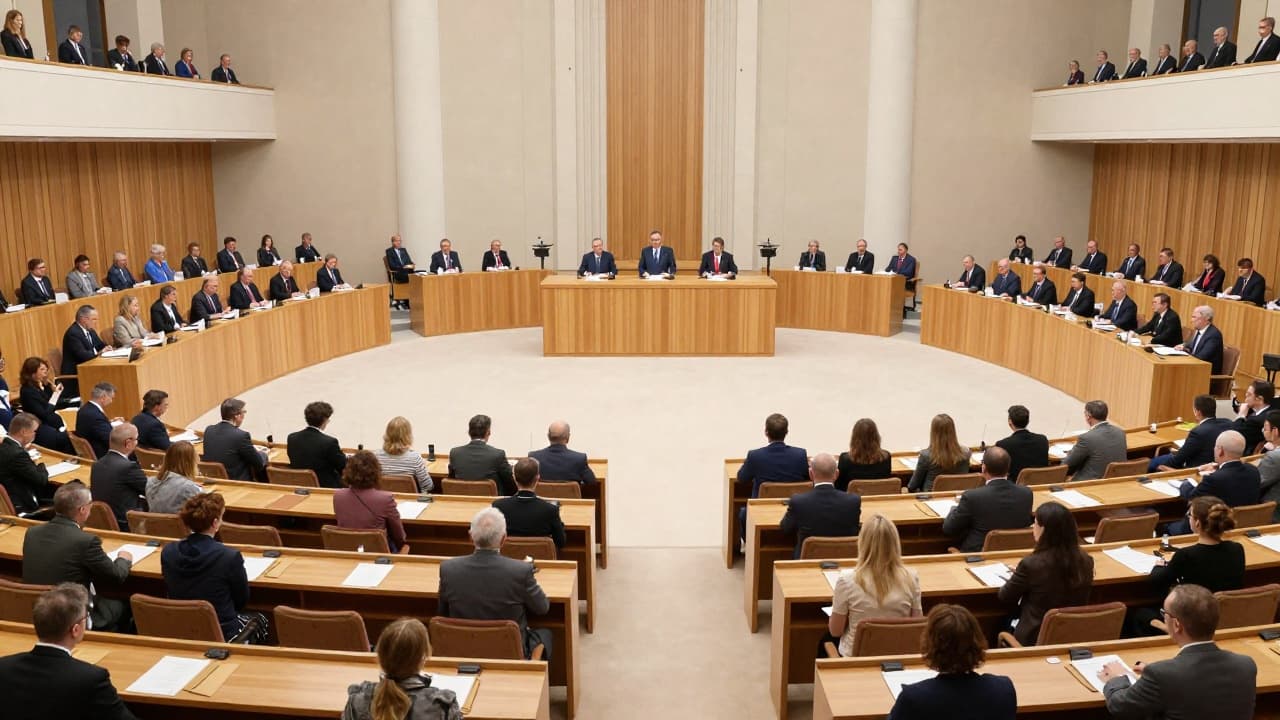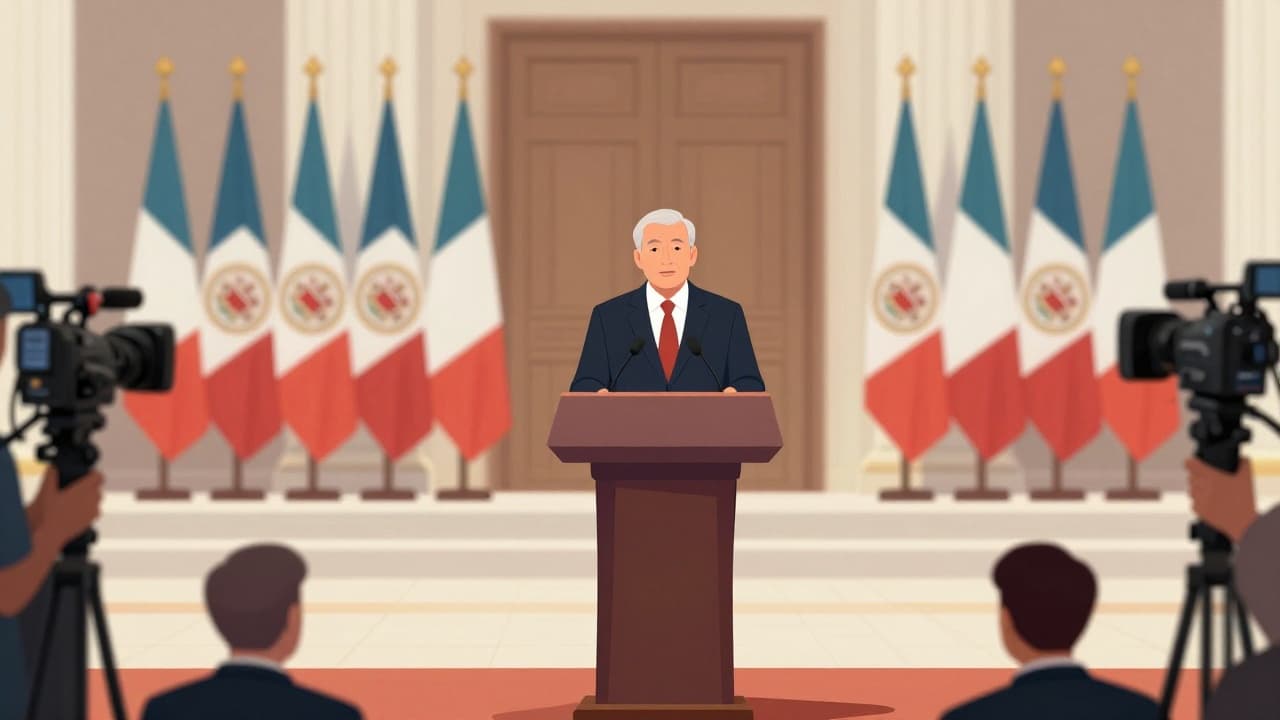
Finance Minister Tomislav Ćorić presented the budget rebalancing and defended it before the opposition in the Sabor (Croatian Parliament). The debate did not remain confined to the opposition benches — amendments were also tabled by members of the governing coalition.
A coalition partner is conditioning its demands on the stability of the coalition after the rebalancing has already been formed. Ćorić told trade unions that there would be no pay rise of around ten per cent, as this would collapse the financial structure. "It does not occur to me to jeopardise the budget because of unrealistic demands," the minister said.
The budget deficit, according to Eurostat data, has breached the ceiling of 3 per cent of GDP for three consecutive quarters. The breach of the ceiling in the final quarter of last year was absorbed into last year's annual deficit, which was kept within the Maastricht criteria. Two quarterly breaches have already been recorded this year, while the annual deficit is set within the permitted parameters, at 2.9 per cent.
The HNB (Croatian National Bank) warns that the situation is quite fragile, due to the environment and increasingly difficult external circumstances, energy and other shocks. The coalition partner's amendments are not large in amount, but they undermine the minister's argument that savings are necessary.
Ćorić remained composed when journalists asked him about the coalition partner's subsequent demands. He said that this resolve helps no one. "Let me not dwell on that, I am after all an economist in the Government of the Republic of Croatia," he said. He also stated that it is all democracy. Ćorić chose to replace his professorial position with that of minister and politician, and said he would see what the demands relate to and how he would then anticipate them within the framework of the rebalancing.
Ćorić, as Deputy Prime Minister, recently spoke in Pazin, where he participated as the prime minister's envoy in a solemn session on the anniversary of the Pazin Decisions. Speaking about the decisions made in September 1943, he highlighted the freedom-loving and anti-fascist spirit of these regions and the importance of such decisions for modern Croatia.