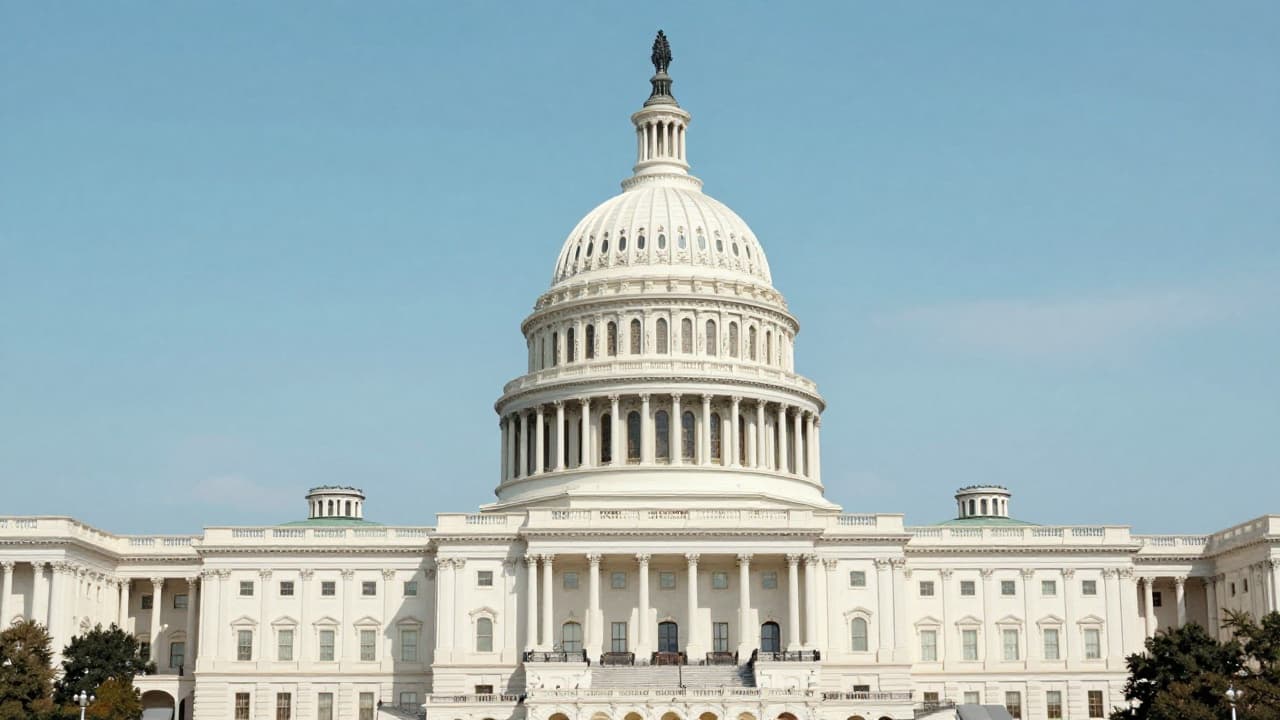
Democrats won a decisive victory in the midterms and, emboldened by their 3 November election wins, are set to unveil an ambitious legislative agenda for the first 100 days and beyond. The programme is expected in early December, once the race for Senate leadership is concluded, and will test the influence of the party’s progressive wing and the willingness of Republicans to cooperate.
Democrats take control of the US Congress on 3 January, marking a dramatic shift from the previous two years. During that period, Republicans under President Donald Trump controlled the Senate and the House of Representatives, narrowly passing major tax cuts that benefited the wealthy, while standing by as Trump assumed congressional powers on tariffs and government spending. Democrats will hold a significantly more comfortable majority in both chambers of Congress: they have a 56-to-44 majority in the Senate, but lack the four votes needed to reach the 60 required to pass most legislative proposals. In the House of Representatives, they hold 257 seats to 172, a lead that could grow to more than 85 seats after the resolution of several close races.
Democratic Senator Raphael Warnock of Georgia said this is a major political turning point. Republican Senator John Boozman of Arkansas warned Democrats that Trump remains a powerful political force and does not see Congress succeeding in overriding any of Trump’s vetoes during the remaining two years of his term. Democrats have spent months preparing a coordinated initiative in the House and Senate to undo key Trump policy moves, with high living costs cited as the primary concern by voters. Democratic leaders will focus on measures that are easier to implement and could unite the party’s progressive and moderate wings.
Among the first bills expected to be voted on is a law that would limit Trump’s ability to start a war against Iran without congressional approval, a measure that would also help reduce petrol prices. Repealing major Republican cuts to Medicaid and SNAP programmes would allow lower-income citizens to more easily cover healthcare and food costs, with SNAP providing assistance for food purchases. Progressives are advocating for an increase in the federal minimum wage, which has not changed since 2009 and stands at $7.25, with some calling for a raise to $20 to $25 an hour. Also expected among the first bills proposed by Democrats is a ban on members of Congress trading stocks based on insider information, in response to voter anger over ethical scandals in Washington.
Republicans are in a difficult position, as joining Democrats could anger Trump, while obstructing the passage of Democratic measures could provoke voter dissatisfaction. Boozman said there is a real awareness in Congress that issues such as healthcare and extremely high premiums must be addressed. Boozman is one of the Republicans who supported approximately one trillion dollars in cuts to Medicare, Medicaid and Obamacare programmes last year, and will run for re-election in 2028. He could potentially be open to cooperation with Democrats, but said he would be guided by Trump’s directives.
Newly elected progressive representatives have a significantly more ambitious agenda for the next two years, and their numbers are increasing at state and local levels. Among their proposals are a halt to US aid to Israel, the introduction of a moratorium on the construction of new artificial intelligence data centres, campaign finance reform, higher taxes for the wealthy, the passage of comprehensive immigration reform and mitigation of the effects of climate change. According to government data, newly elected representatives are on average about eight years younger than current members of the House of Representatives, and on average 14 years younger than current senators. William Lawrence, a 36-year-old newly elected Democratic representative who won a seat in Michigan previously held by Republicans, said they must confront the dominance of large corporations in the market and that more democracy is needed in the economy.
Among the many priorities for Democrats are complex issues such as comprehensive immigration reform, universal healthcare and stricter enforcement of environmental protection laws. Outgoing Democratic Senator Dick Durbin of Illinois discussed with colleagues the need to address outdated laws regulating work visas next year, the possibility of citizenship for migrants without legal residency status, and long-term measures for border security without some of the extreme deportation practices carried out by the Trump administration. Durbin said they must try to move forward and secure bipartisan support from 60 senators for comprehensive immigration reform. Republicans have argued for years that Congress should delay extensive reform of the immigration system until the US southern border is secured, while Trump claims that goal has been achieved.