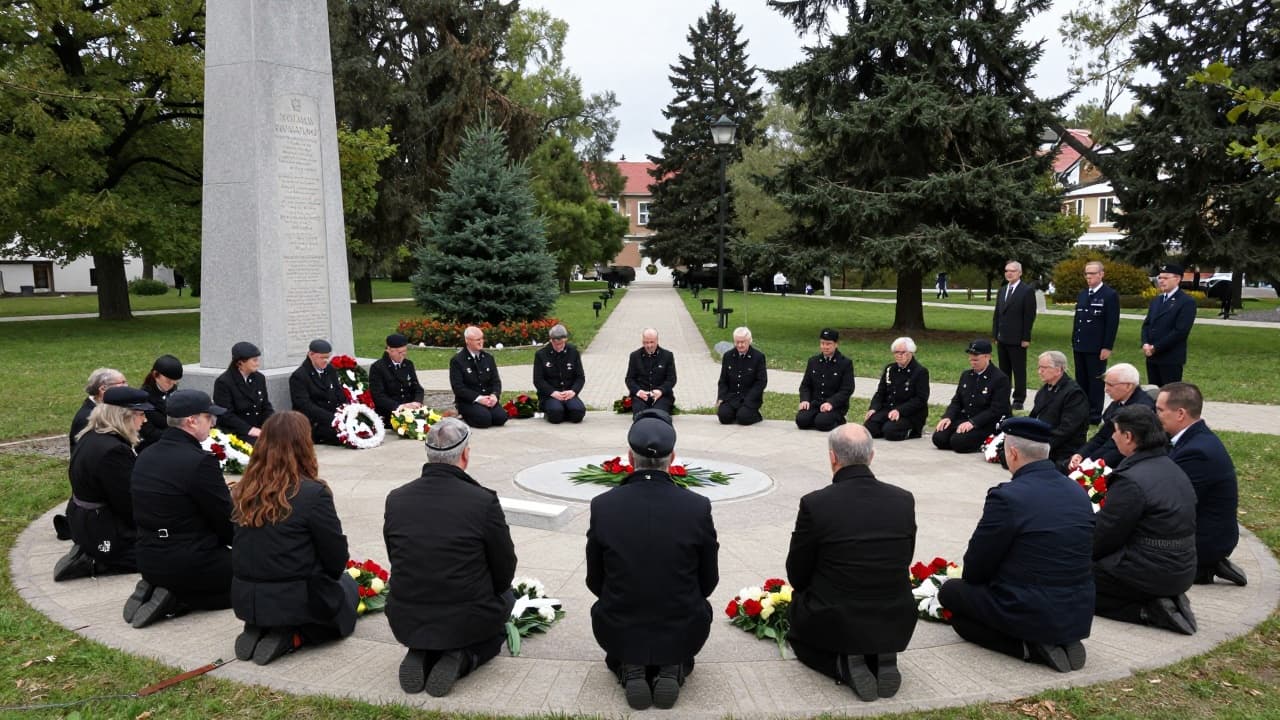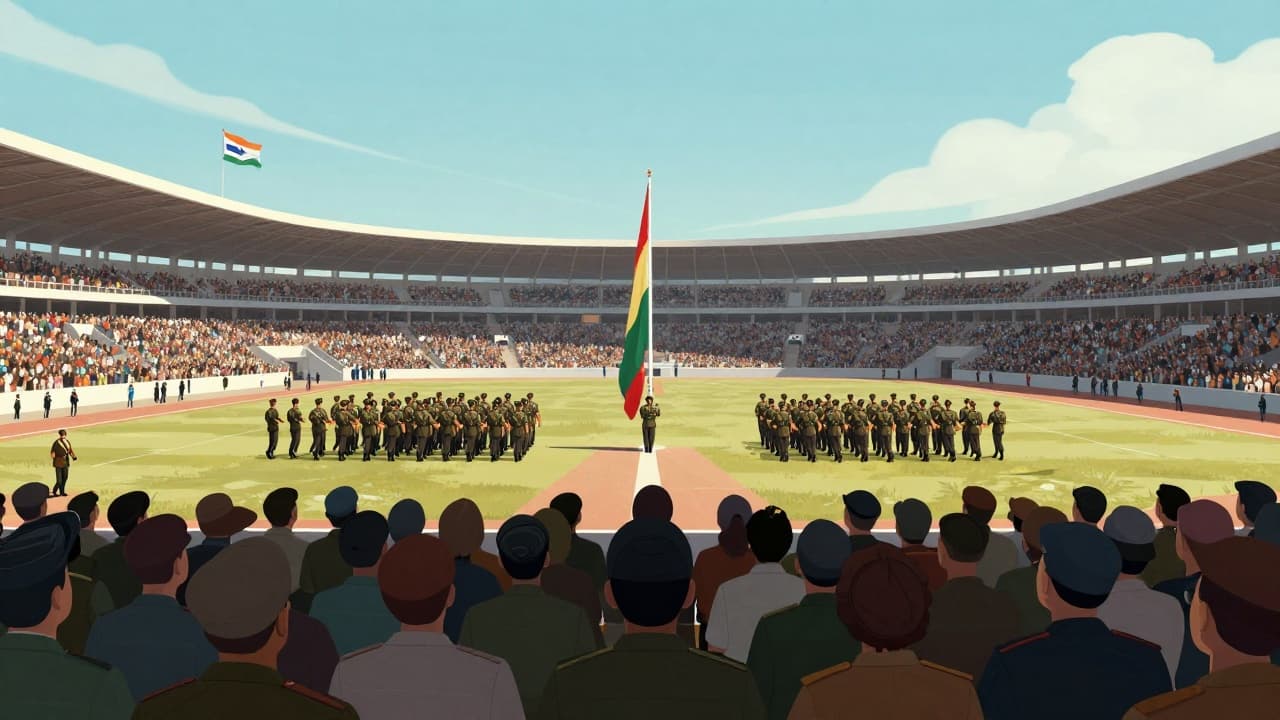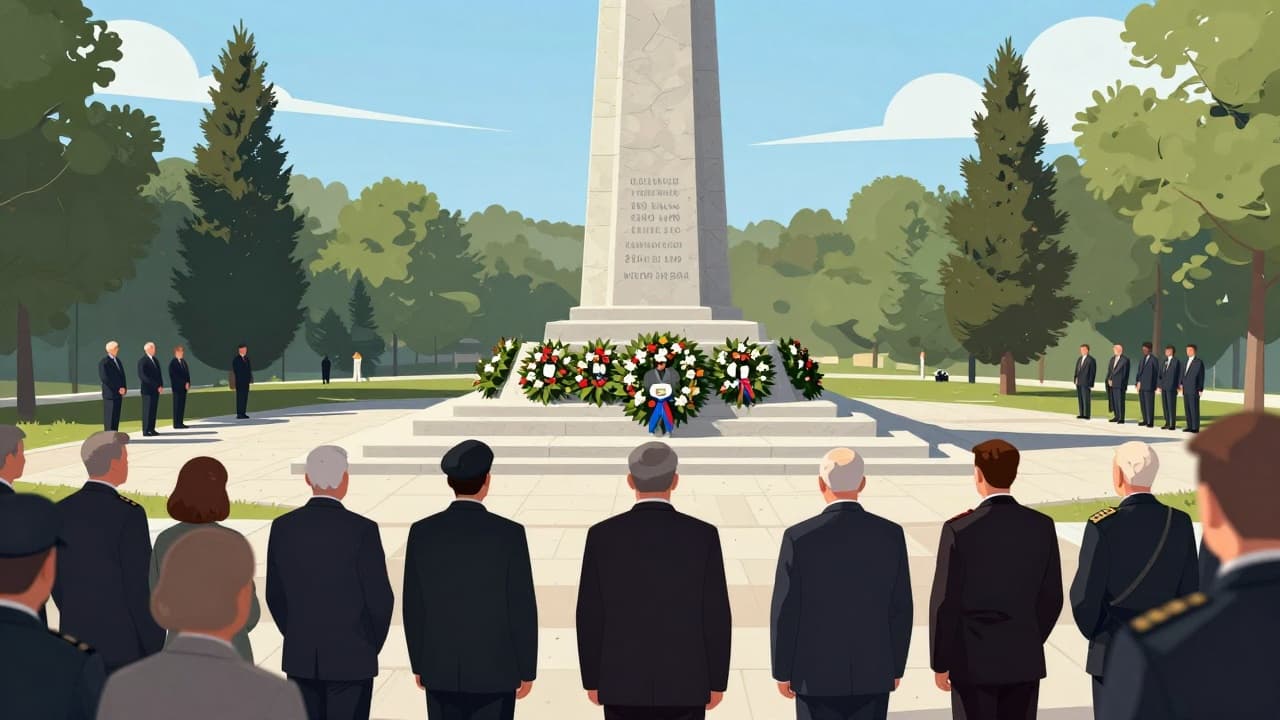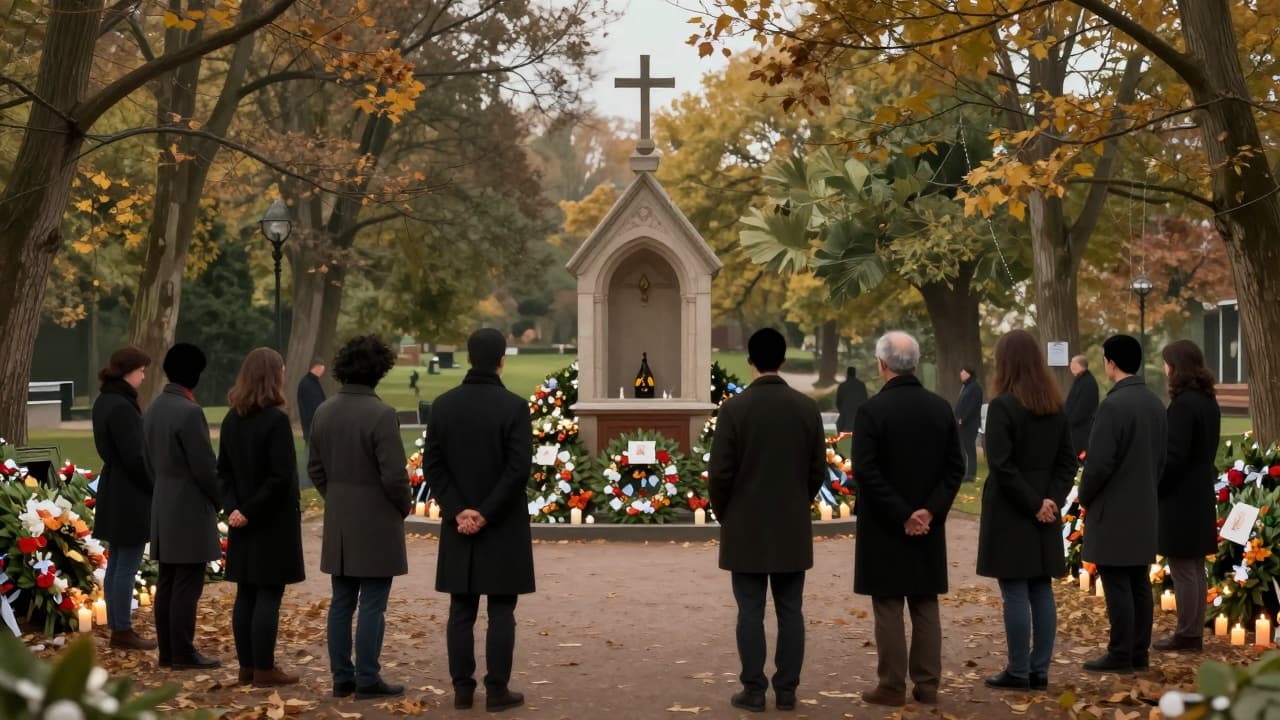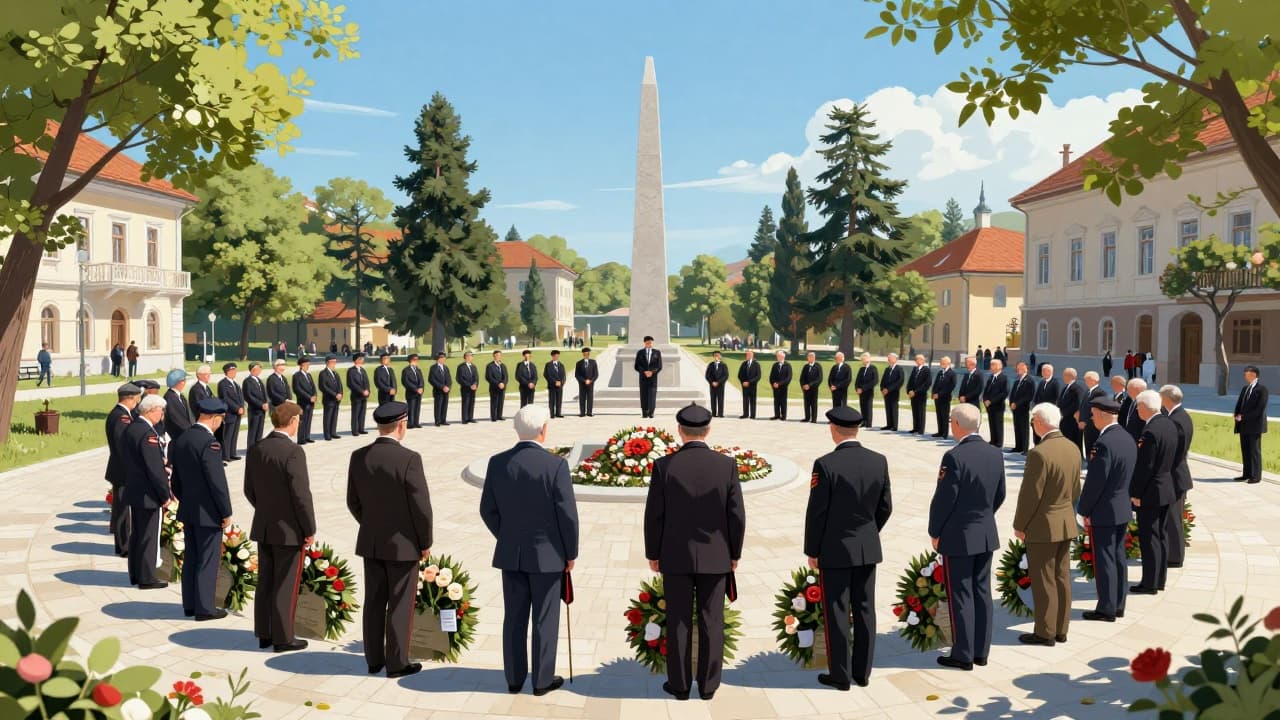
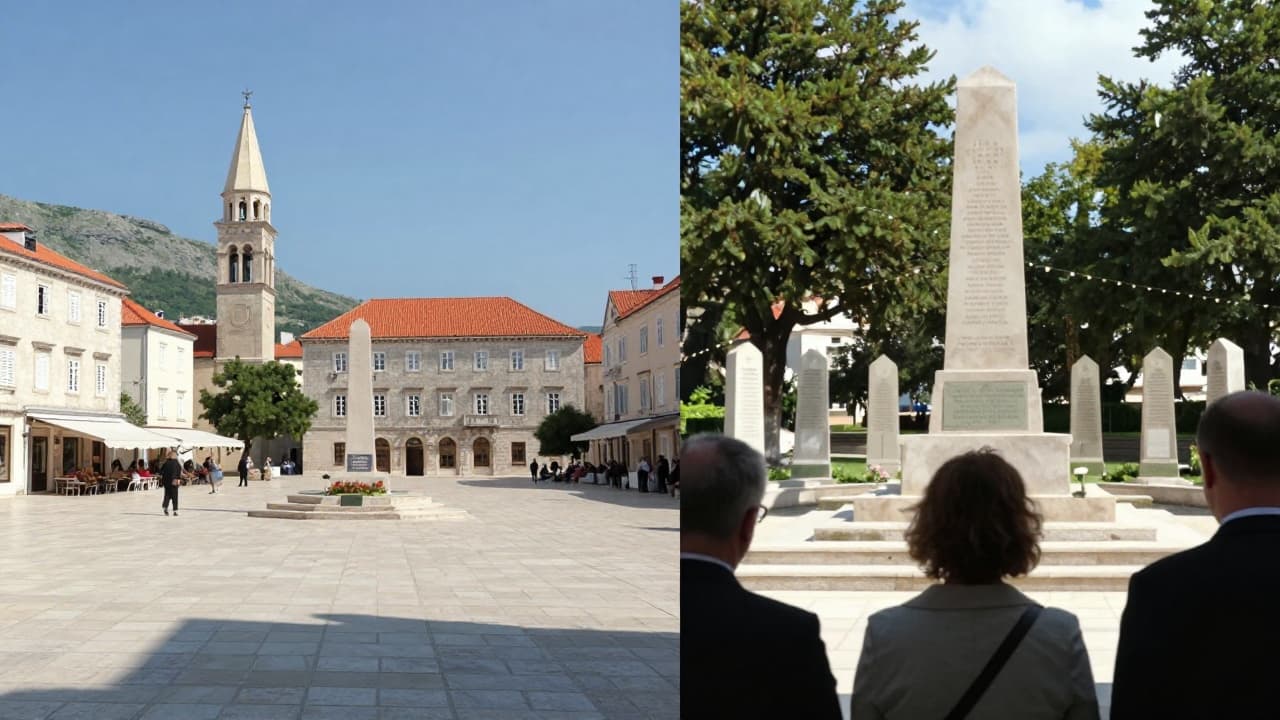
Croatia marked the Day of Victory and Independence and the Day of Croatian Defenders on the 31st anniversary of the Operation Storm. The central ceremony took place on 5 August in Knin, with warnings of heat warnings due to high temperatures. In the Croatian public sphere, there is consensus that this operation liberated the occupied territory from rebel occupation.
In contrast, media in Serbia and the Republika Srpska view the event as the greatest crime of ethnic cleansing after the Second World War. According to their accounts, the area of the former Republic of Serbian Krajina was ethnically cleansed within 48 hours. Serbian media report around 2,000 Serbs killed or missing and more than 220,000 displaced civilians.
The Veritas Centre cites similar figures for victims and displaced persons, describing the event as the largest exodus of civilians in Europe since the Second World War. The Russian Embassy in Belgrade declared Operation Storm one of the most tragic chapters in the recent history of the Balkans, accusing the EU of bearing special responsibility for the consequences.
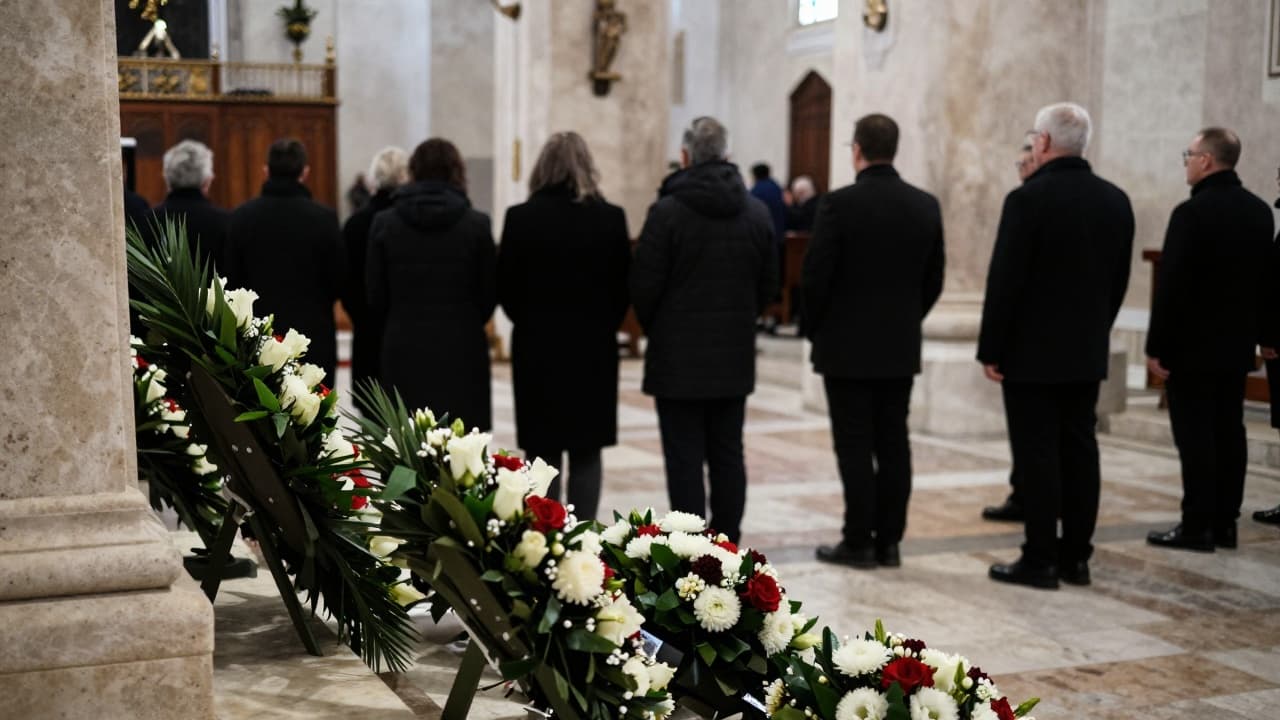
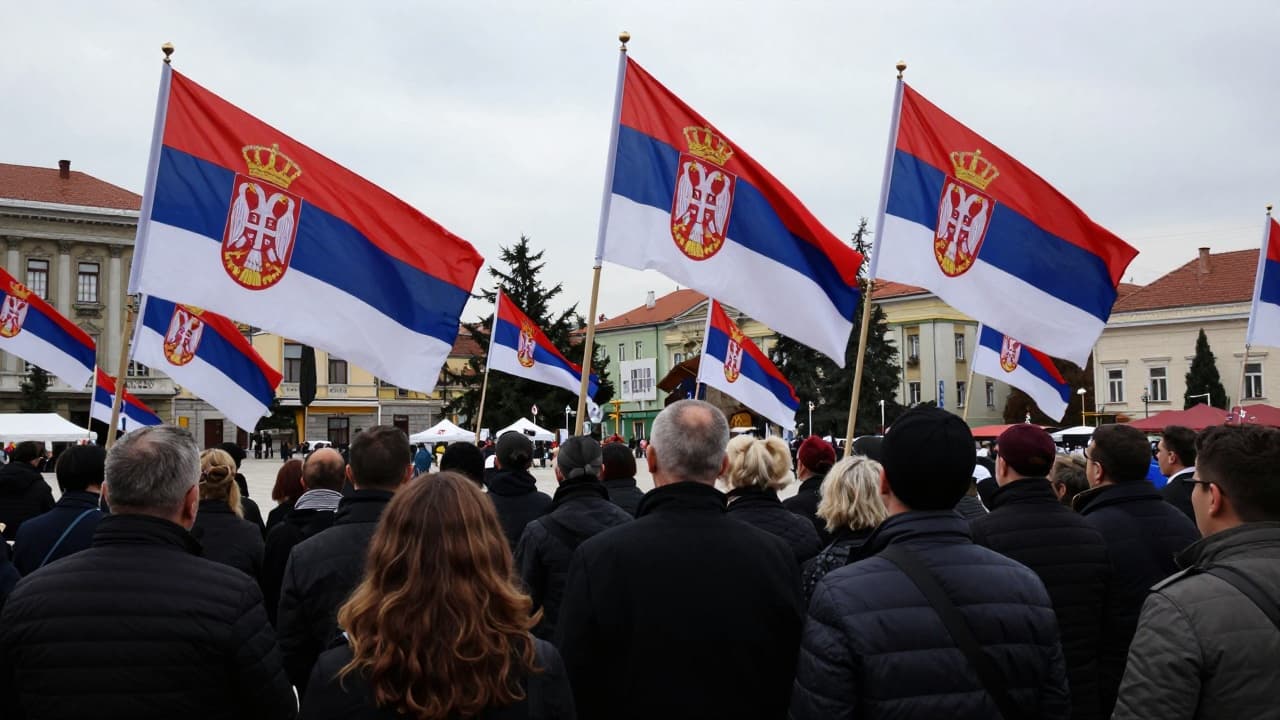
Serbia and the Republika Srpska are jointly organising the Day of Remembrance for the Fallen and Displaced Serbs, with this year’s ceremony in the Republika Srpska held on 4 August in Mrkonjić Grad. Part of the reporting links the Operation to the Maestral operation in Bosnia and Herzegovina, noting that Croatian and Muslim forces in that operation killed an additional 655 Serbs and displaced around 125,000 people.
Within Croatia, there are disagreements between the government and the Office of the President, which banned the participation of soldiers in the parade in Paris. The chief of staff lost the confidence of the government after obeying that order. At the same time, HDZ has criticised the mayor of Zagreb, Tomislav Tomašević, while the 'We Can' movement has refuted claims that the main square was not decorated with the Croatian flag.
Croatian analyst Davor Đenero believes that Croatia and Bosnia and Herzegovina are making a mistake by not insisting enough on the broader context in their annual commemorations, including the Split Declaration. Signed on 22 July 1995 by presidents Franjo Tuđman and Alija Izetbegović, the declaration allowed the armed forces of Croatia to use the territory of Bosnia and Herzegovina for a joint fight against the army of the Republika Srpska.