Dubrovnik-Neretva County is launching the first public island irrigation system in the history of Croatian islands. The project involves the irrigation of the Čara field on Korčula, valued at €14 million, and is currently in the contractor selection phase.
The project was preceded by talks with Hrvatske vode (Croatian Waters), representatives of the Čara Local Council and the City of Korčula, as well as the preparation of documentation, securing of funds and the signing of pre-contracts with end users. Dubrovnik-Neretva County President Blaž Pezo highlighted the importance of this project for the further development of agriculture on the island.
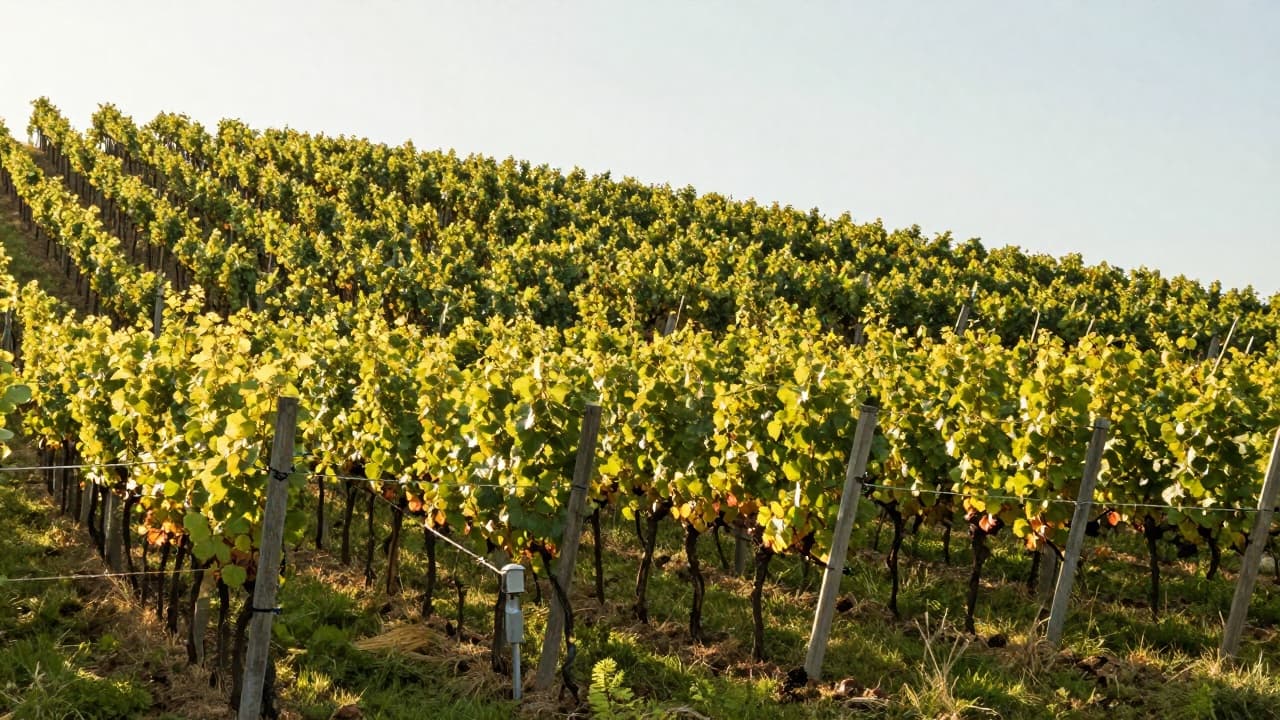
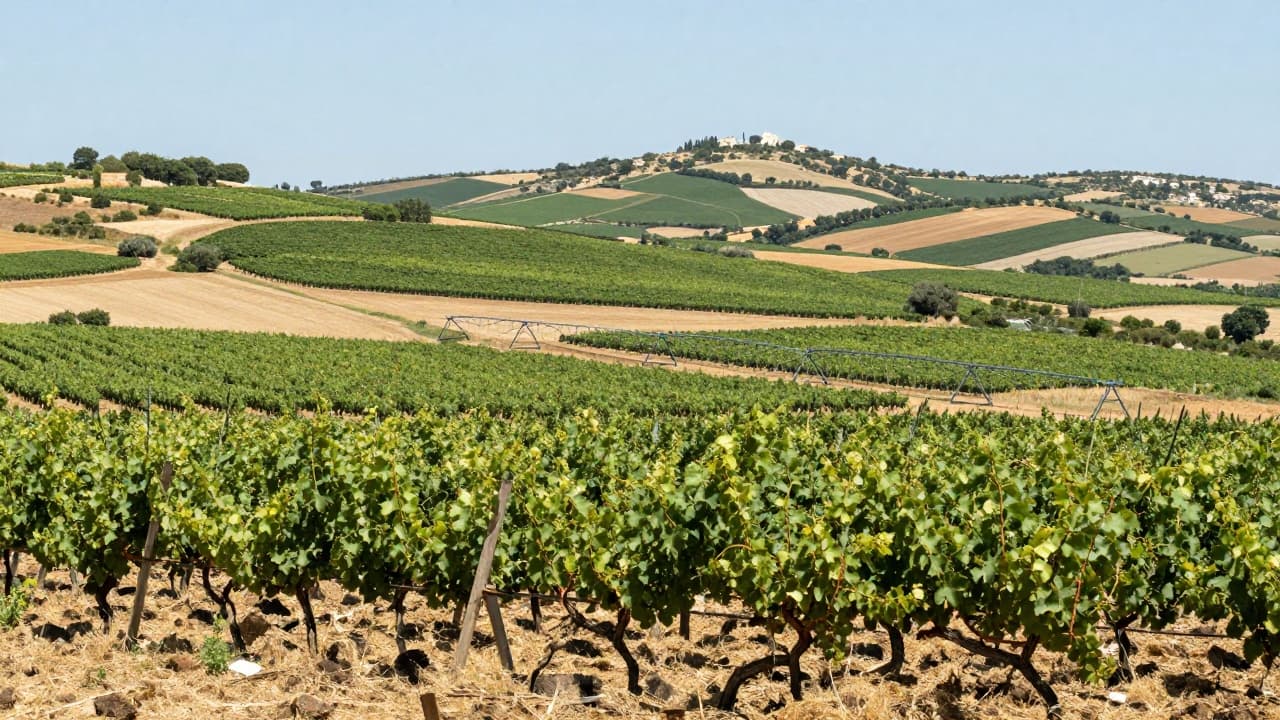
Čara is one of the most recognisable viticultural areas of Korčula, and its history is inextricably linked to the Pošip grape. The vineyards of Čara and Smokvica have been the foundation of Pošip cultivation and recognition for decades, which became the first Croatian white wine with protected geographical indication in 1967. However, production by Čara vintners is increasingly burdened by prolonged droughts and climate change, making irrigation crucial for the survival of viticulture.
The construction permit for the Čara field irrigation system was issued in February 2025 and became final on 17 March 2025. An execution project has also been prepared, detailing the construction and technical elements of the system. The system is designed for a total of 231.8 hectares of agricultural land, while the net area intended for irrigation is 220 hectares.
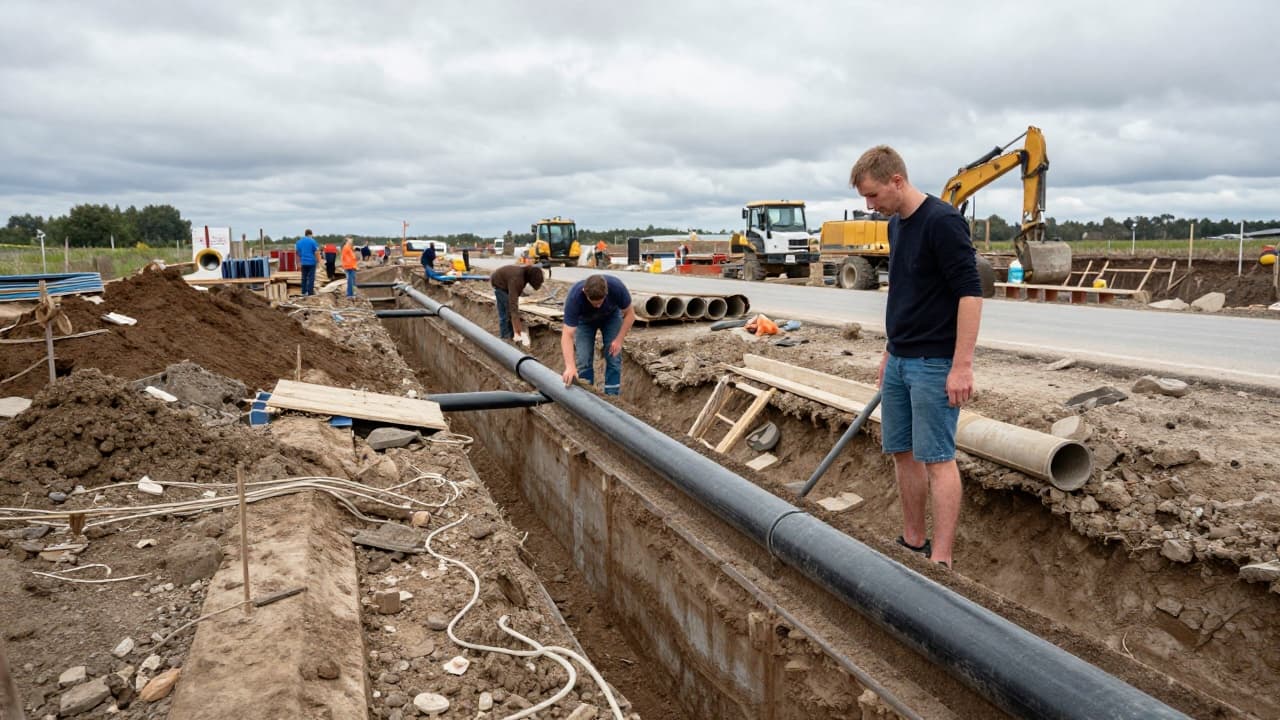
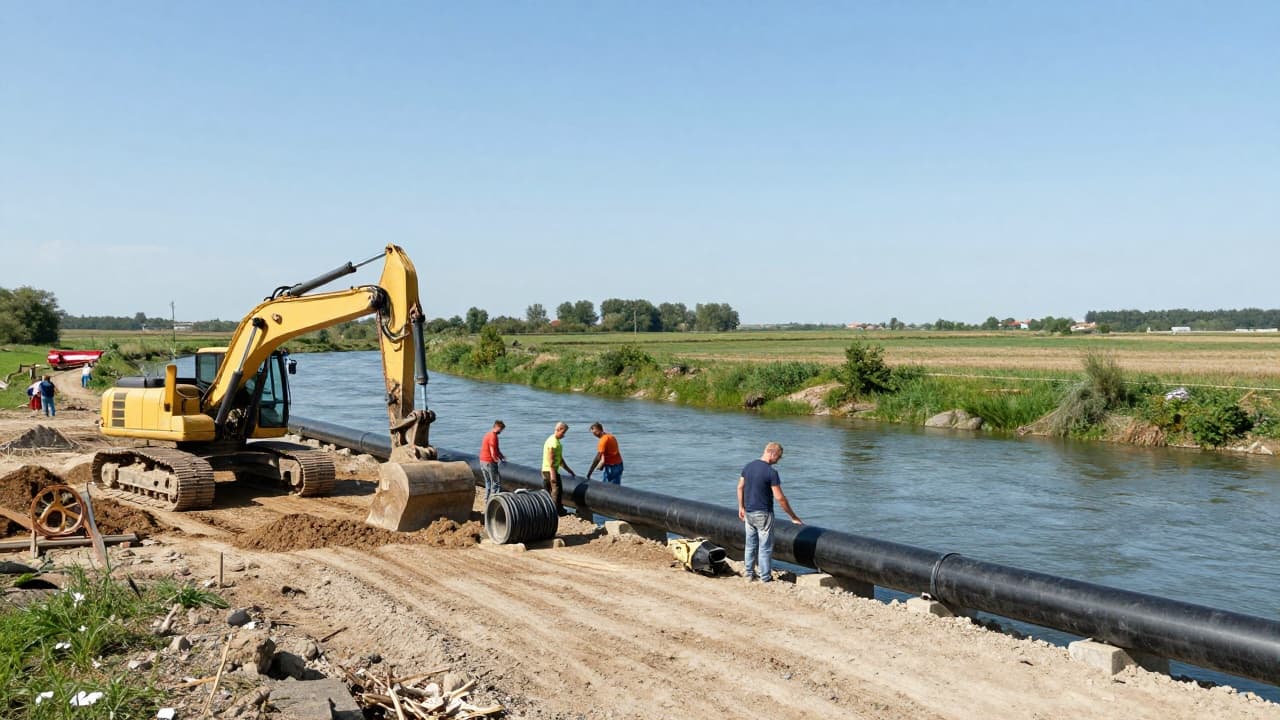
The central facility will be the Stražišće micro-reservoir, with a designed volume of 239,374 cubic metres. It is intended for the collection and storage of water throughout the year, with collected reserves to be used primarily in the spring and summer months. The project includes approximately 3.5 kilometres of pressurised supply pipelines from wells to the reservoir, around 535 metres of connecting pipeline and more than 16 kilometres of distribution network. The total length of the pipelines will exceed 20 kilometres.
Underground connection boxes will be installed in the vineyards, while above-ground connection boxes will be installed in the olive groves. The system is also intended for olive groves and other agricultural areas of the Čara field, and will ensure water for 220 hectares of agricultural land. With this project, Dubrovnik-Neretva County is laying the foundations for sustainable agriculture on the islands, adapted to the challenges of climate change.