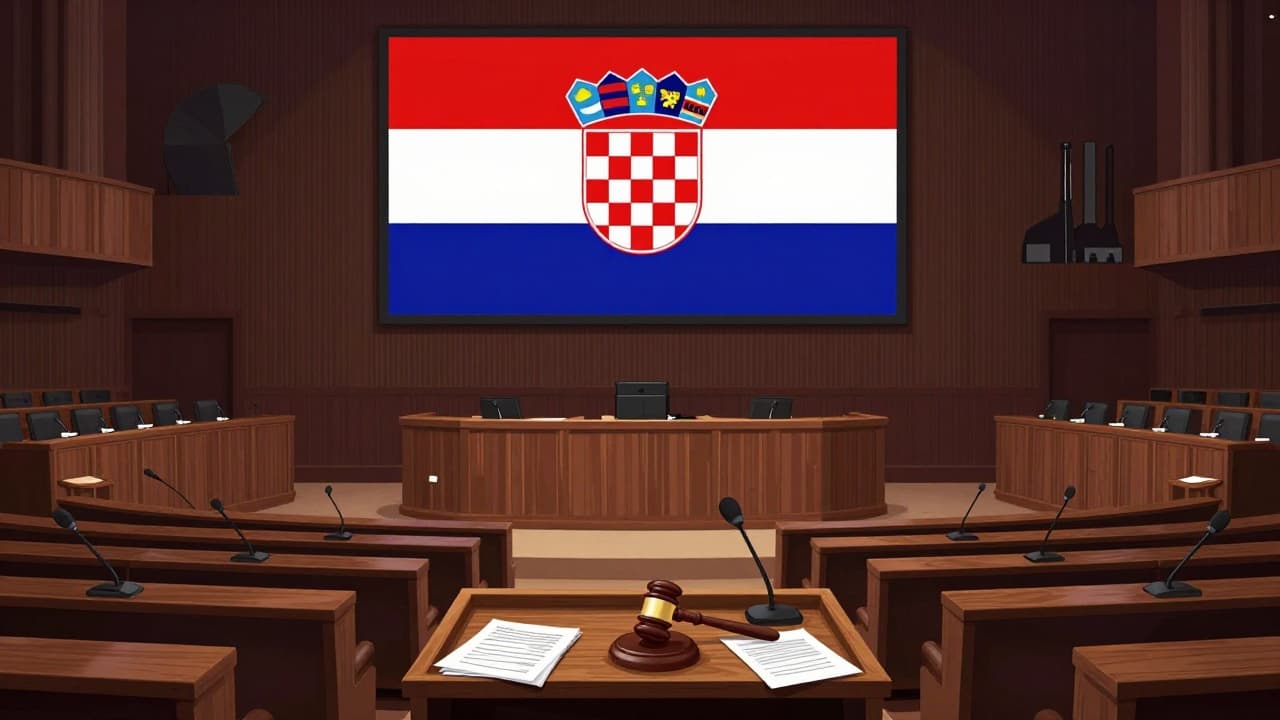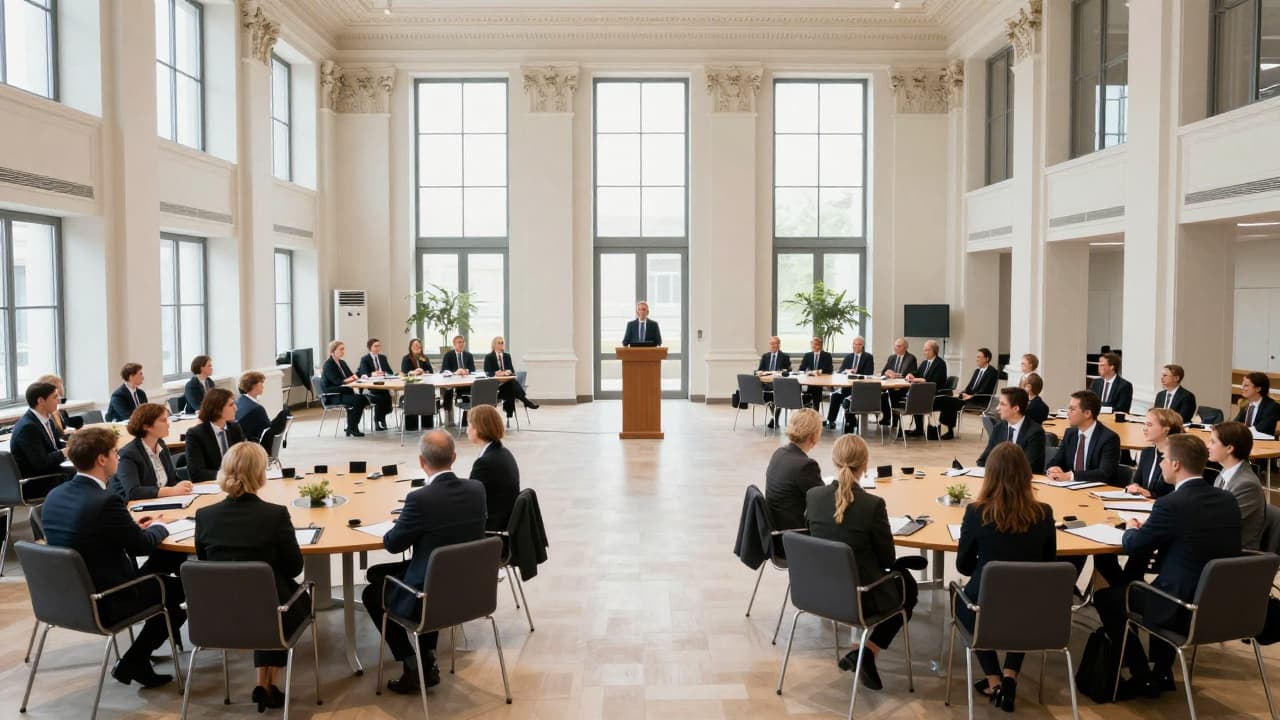
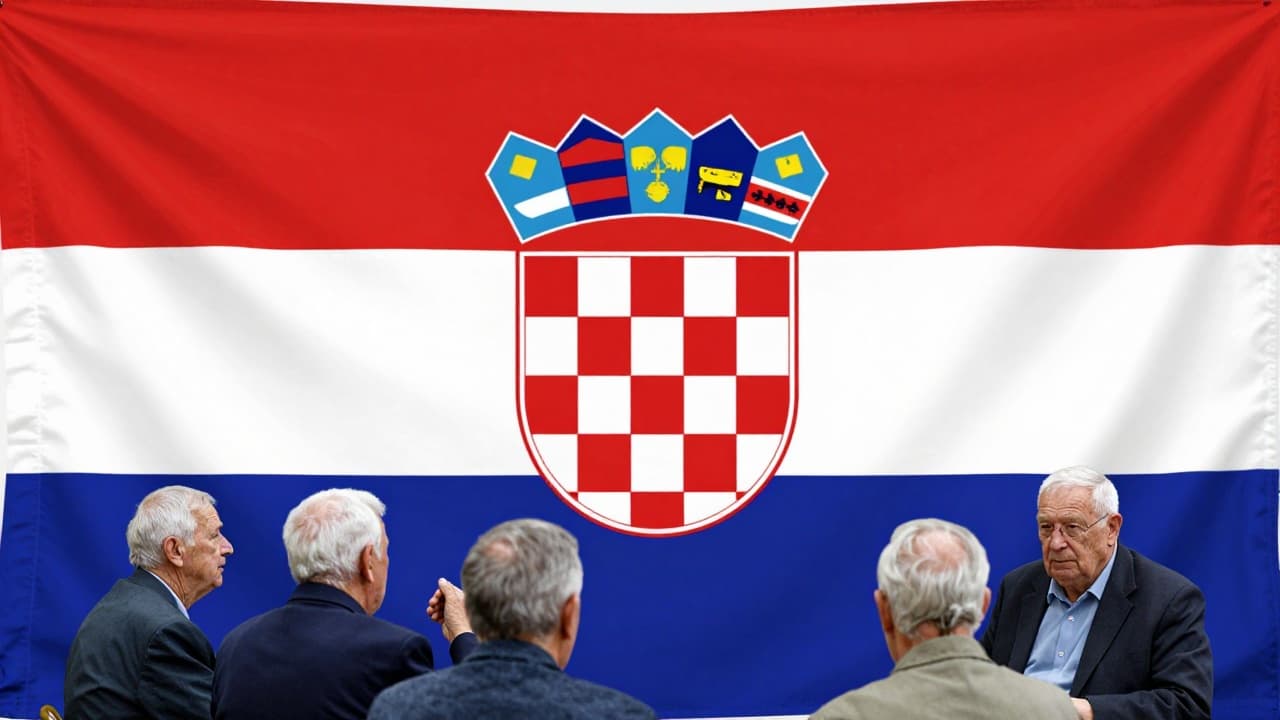
The Association of Veterans Together has launched a debate on the role of Croatian veterans in the 21st century. More than three decades have passed since the end of the Homeland War, and in that time, veterans' associations and the communities in which they operate have changed.
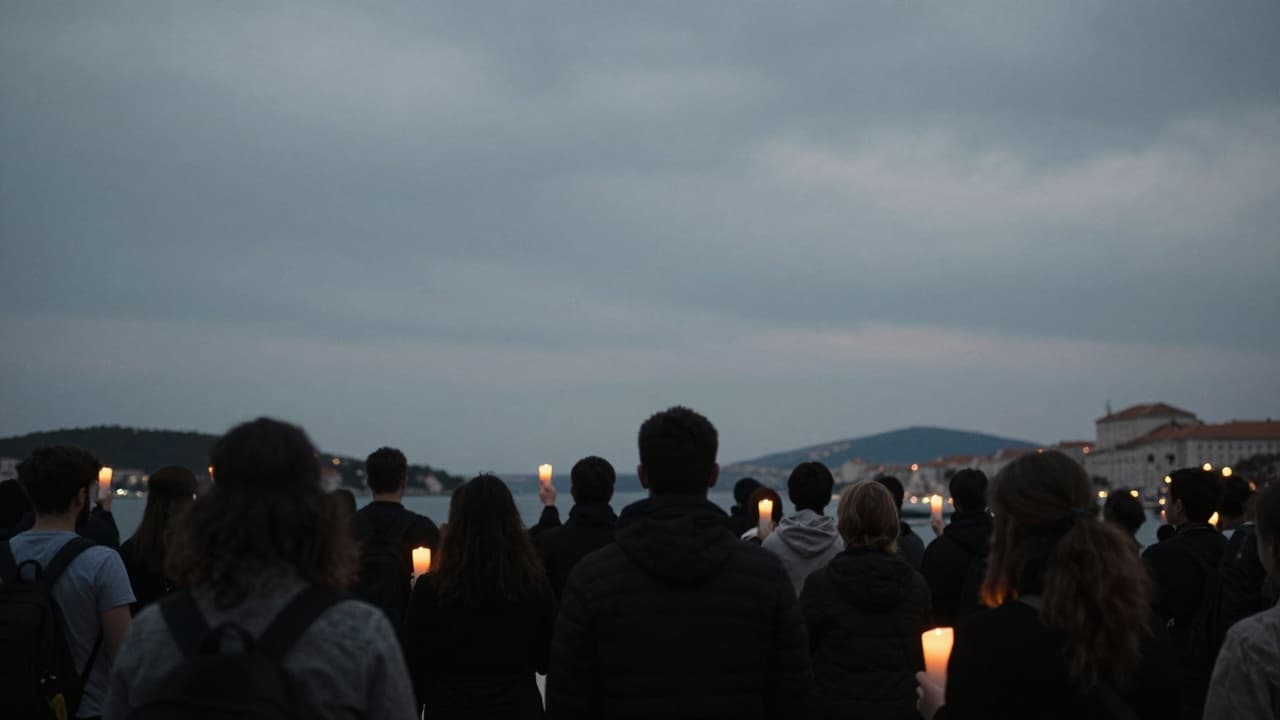
Laying wreaths, lighting candles, and commemorations, as well as anniversaries of military units and pilgrimages, continue to hold an important place. However, as noted by the association, remembrance of the Homeland War remains the foundation of veterans' associations, but their role is not limited to marking anniversaries.
In the past, when most veterans were in the prime of life, the associations were primarily places where comrades gathered. Today, members of veterans' associations are older, and many are retired. Some face health, social, or existential challenges. At the same time, local communities are facing challenges such as the isolation of the elderly, the emigration of young people, a loss of the sense of community, and a decline in volunteering and civic engagement.
Despite these challenges, veterans' associations have great potential. Their members possess life experience, organisational knowledge, a sense of responsibility, and the ability to act together. It is precisely these resources that can be put to use for broader societal engagement.
Associations can provide advisory support to veterans and their families, organise educational courses, workshops, and lectures, and engage in environmental protection, volunteering, and humanitarian aid. In this way, they can become a place for intergenerational dialogue and a space where the values of responsibility, solidarity, and patriotism are transmitted.
The debate initiated by the Association of Veterans Together raises the question of how the experience and energy of veterans can be used to strengthen local communities. The article was written by Željko Tomašić.