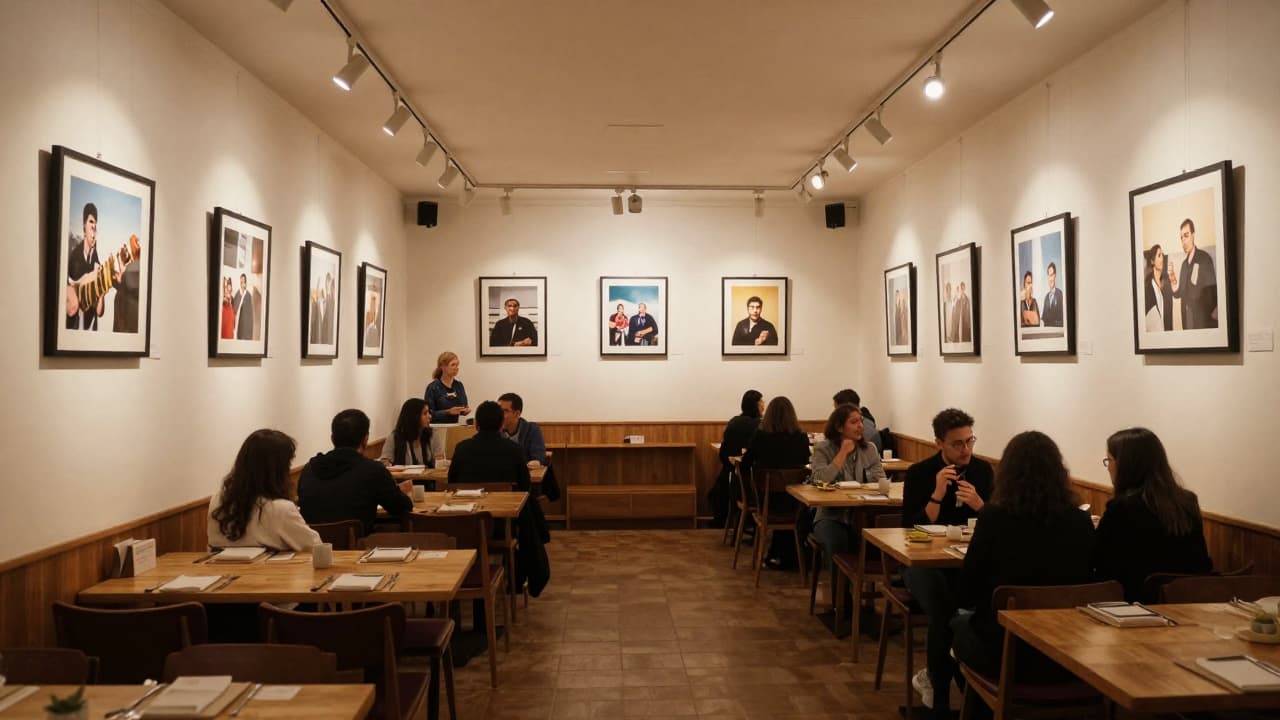
Exhibitions, workshops, talks, performances and concerts are being held in Zagreb’s museums, cultural centres and libraries until 10 December to mark the International Day for the Elimination of Violence against Women. The programmes are dedicated to combating violence against women, with a particular focus on partner violence, as well as the prevention and recognition of signs of violence in intimate partner relationships.
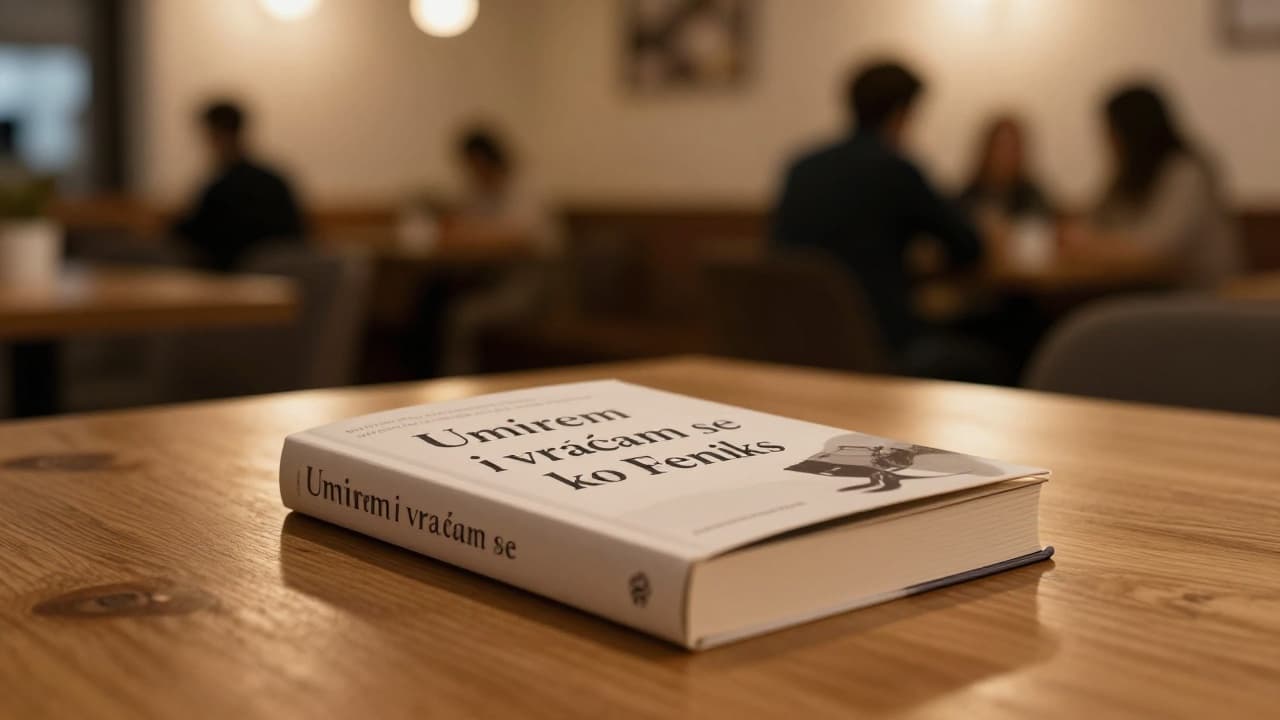
At 18:00 on Monday, Josipa Topolovec’s book “I Die and Return Like a Phoenix”, a personal account of experiencing domestic violence, will be presented at the Kupola Gallery of the City Library. An hour later, at 19:00, multimedia artist Tanja Dabo will present the project “Restorative Justice” at Pogon Jedinstvo, a project aimed at women and children who are victims of domestic violence.
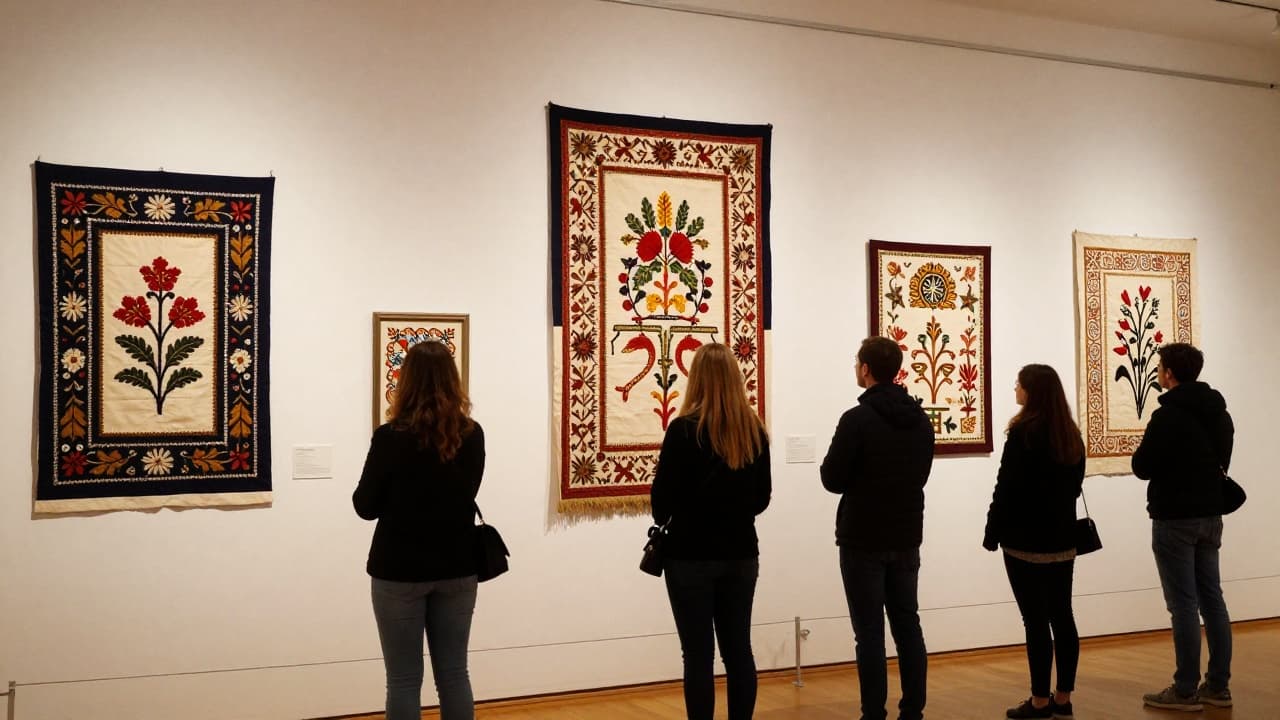
A thematic intervention titled “On the Margins: The History of Violence against Women” is on display in the permanent collection of the Archaeological Museum until 10 December. The intervention connects mythological depictions and the fates of women in ancient Greece and Rome, from Medusa and the Amazons to Roman empresses and the girl Julia Restuta, who was killed for her jewellery, with issues of violence and inequality. A textile installation by Ivana Mrčela titled “Our Sisters” is also on display at the City Library.
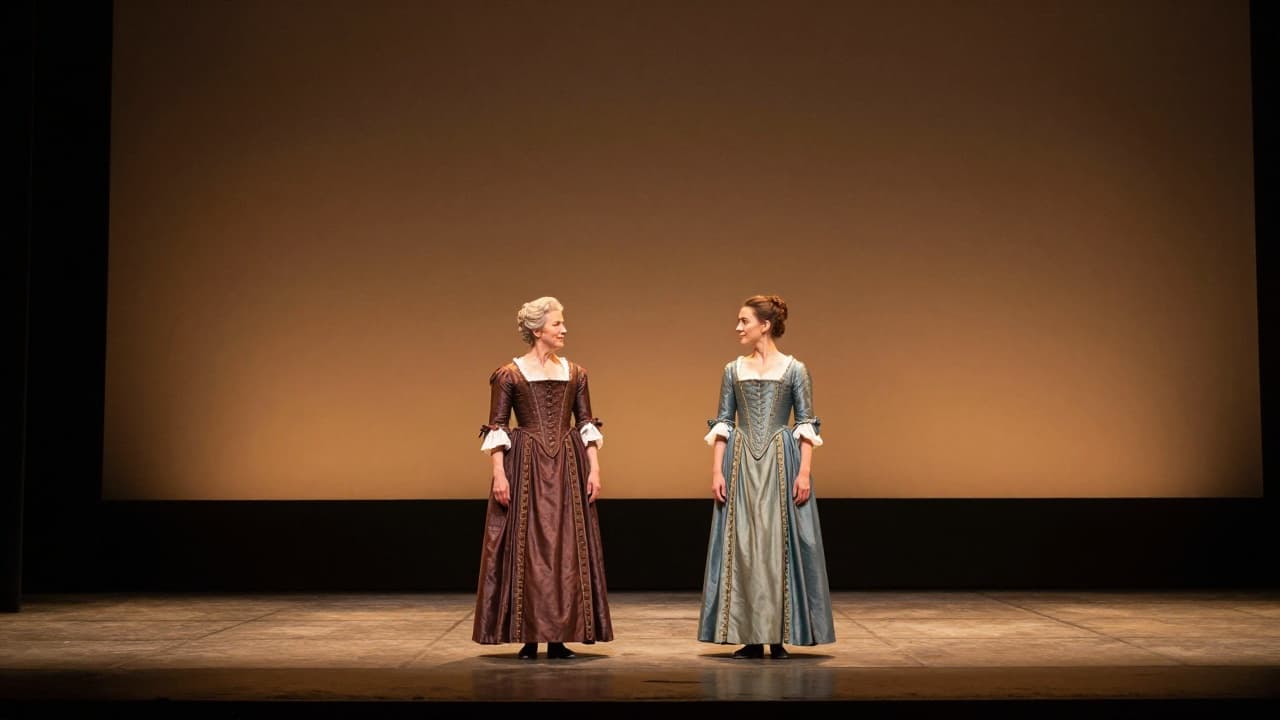
On the International Day for the Elimination of Violence against Women itself, 25 November, a concert titled “Strong Women” will be held at the Sesvete Cultural Centre, featuring jazz vocalist Lela Kaplowitz and harpist Doris Karamatić. The programme also includes a lecture on early signs of violence in partner relationships, a workshop on street harassment, film screenings, literary evenings and the performance “Percussions of Love (We Stay)” by Teatra studio 9.
During an information and education campaign in city institutions and public transport vehicles, citizens will have access to the Violence Scale, a material on concerning and violent behavioural patterns in partner relationships, along with a list of locations in Zagreb where people experiencing violence can receive support.
The programmes were prepared by the Archaeological Museum, the Augustus Caesar Cultural and Film Centre, the KNAP Centre, the Maksimir Cultural Centre, the Sesvete Cultural Centre, the Ethnographic Museum, the Croatian School Museum, the Libraries of the City of Zagreb, the Prigorje Museum and Pogon – Zagreb Centre for Independent Culture and Youth, in partnership with other organisations, at the initiative of the Committee for Gender Equality of the City of Zagreb.