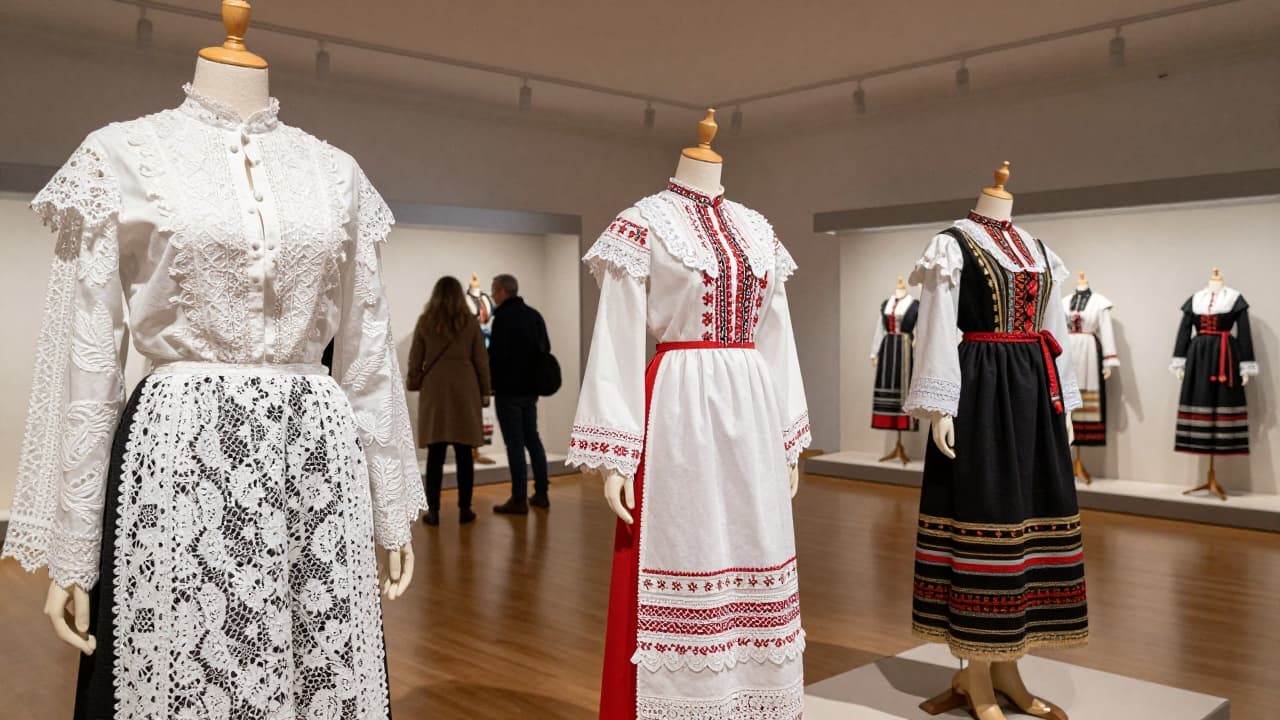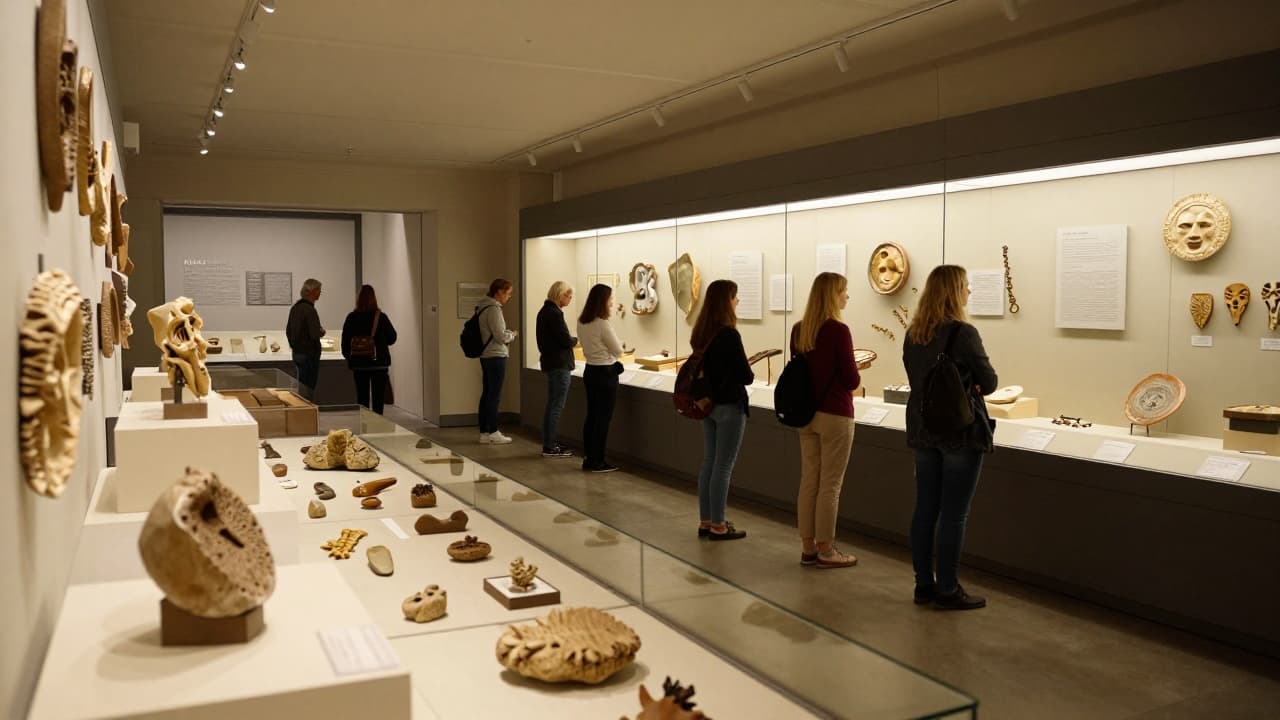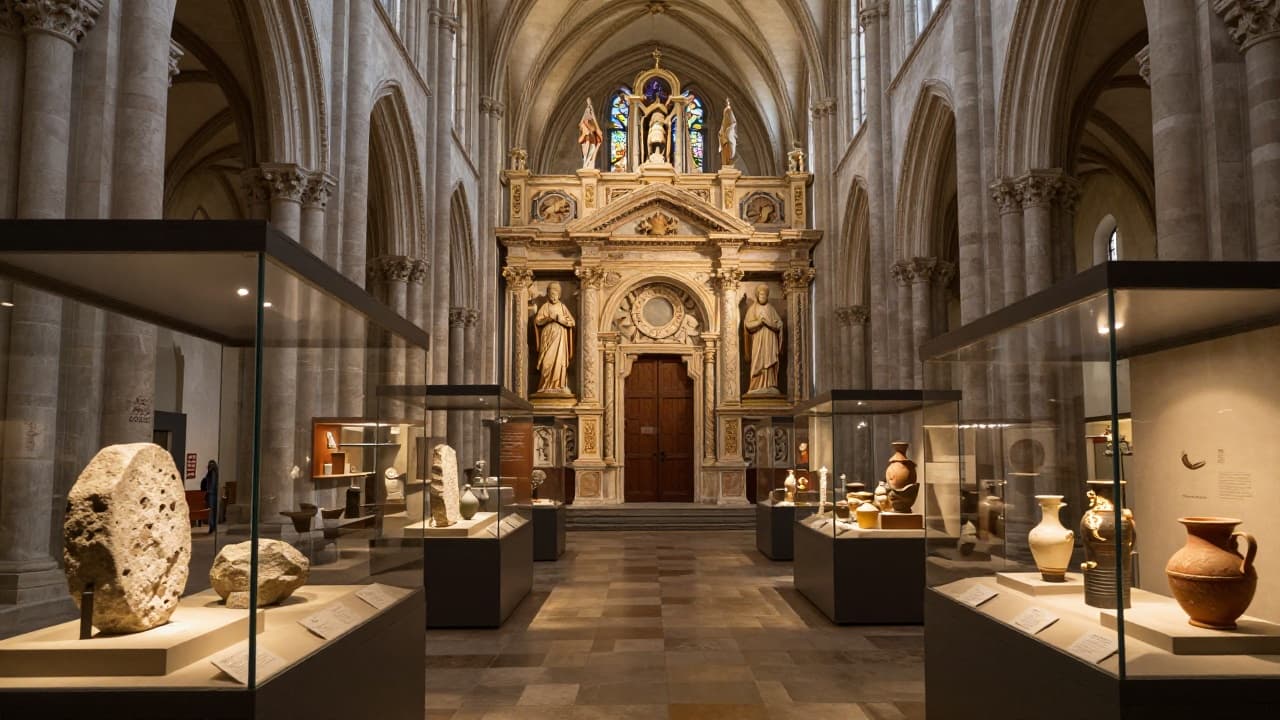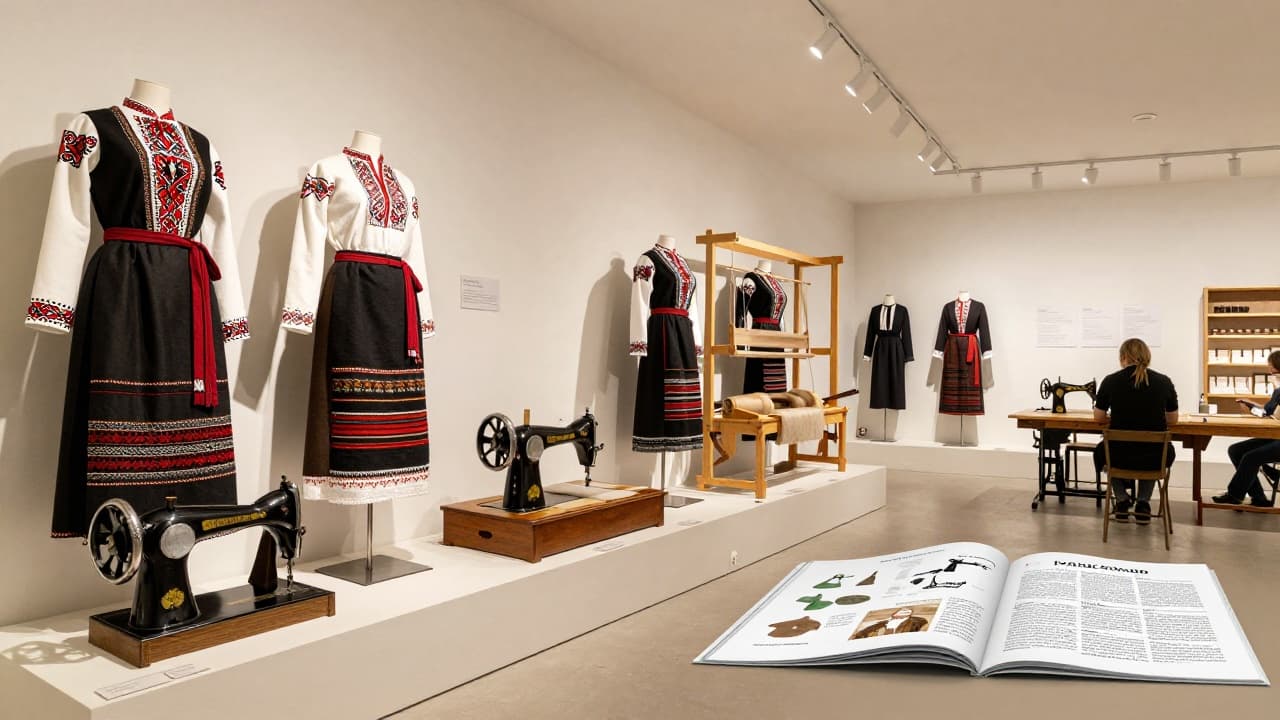
The Ivanić-Grad Museum opens the exhibition "What Do We Wear? Stories from Our Wardrobes" on 19 November at 19:00 at the Museum Storage Facility in Dubrovčak Lijev. The exhibition guides visitors through the history of dress in the Ivanić-Grad and Posavina regions, and can be viewed until 15 December.
The curators of the exhibition are Rosana Škrgulja and Katarina Matkerić, who researched museum collections, archival material and private family collections. The exhibition covers traditional linen processing and the making of folk costumes, tailoring workshops, textile shops and the first sewing machines. One section is dedicated to the journey from linen to clothing, where linen was grown, retted in the Sava and Lonja rivers, processed and turned into threads from which fabric and garments were made.
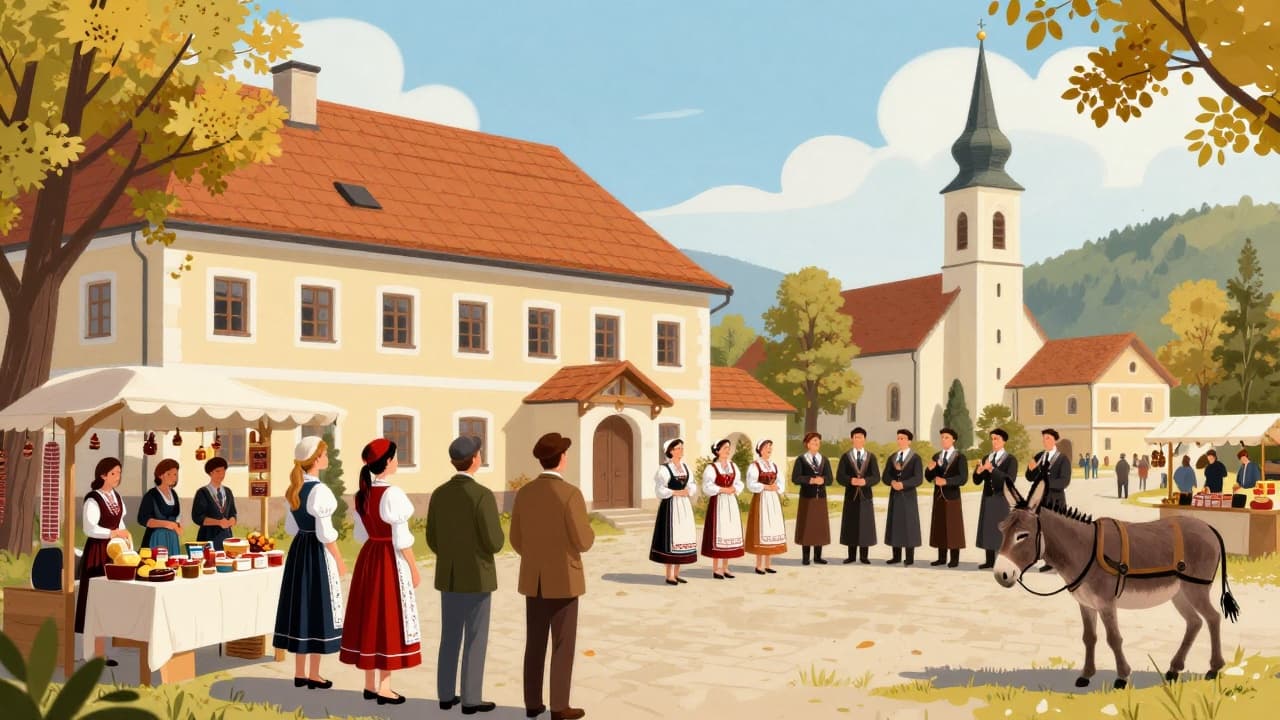
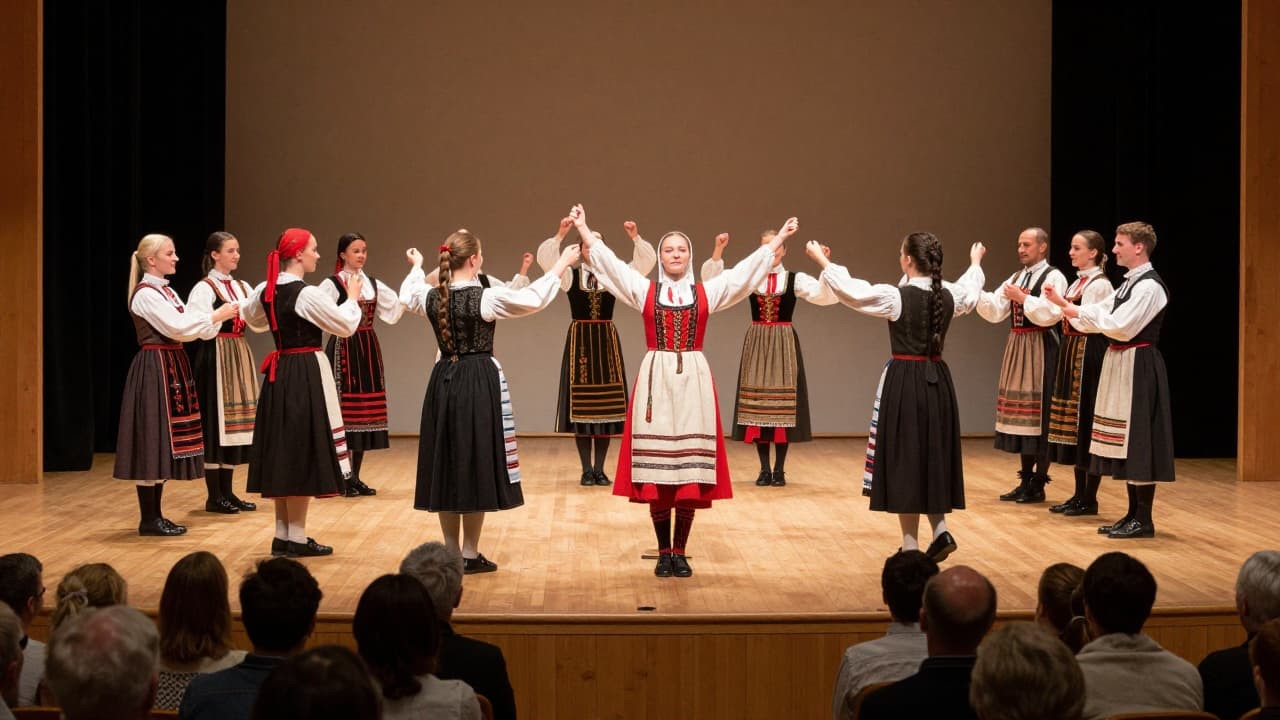
A special place is occupied by the Posavina folk costumes with motifs such as "na dromne", "modrine" and "Hrvatice". Weavers from Dubrovčak Lijev found inspiration for the "Hrvatice" motif on the cover of a popular women's magazine around 1940 and transferred it to their weaving. The exhibition tells the story of changes in dress from traditional jopleča and švabica to more modern blouses of silk and plush, and shows the gradual move of folk costume from everyday life to stages and folklore performances.
At the end of the 19th and beginning of the 20th century, Ivanić-Grad had about 70 registered tailoring trades, as evidenced by archival records of the Chamber of Commerce. Among the exhibited items is a coat by tailor Luke Pleše, and visitors will learn stories about fabric merchants, travelling sellers of needles and socks, and Singer sewing courses. Old photographs from the museum's photo library show how the inhabitants of Ivanić-Grad dressed from crinolines in the 1860s to summer suits and straw hats on the eve of the Second World War. Among the exhibits is also the top hat of former mayor Vladimir Rubetić.
The exhibition reflects on the former attitude towards clothing, which was repaired, remade and passed down from generation to generation. Visitors will learn what large-scale laundry washing on the Lonja looked like, what lye made from ash and rifljača were, and how clothes were ironed using a hot-plate iron. A catalogue of the same name has been published alongside the exhibition, featuring an overview of fashion history, stories about Ivanić tailors and merchants, and a catalogue of the exhibited items.
The exhibition is accompanied by sewing workshops called "Šnajderaj", which are part of a textile reuse project by the municipal company Ivakop. This year, Ivakop provided space to the Ivanić-Grad Museum for a cycle of 15 workshops, organised in cooperation with the Ivan Švear Secondary School. Nine students from the school participated in the project, mentored by Dalija Cundić and Tajana Čorak. The participants went through the process of creating a garment from idea and fashion sketch, through fabric selection and pattern making, to cutting, machine sewing, fitting and final ironing, and mastered several hand-sewing techniques. The most persistent participants received as prizes the garments they had designed, cut and sewn themselves.
In cooperation with the association Friends of Heritage, a flea market is being organised during November. The exhibition and catalogue were financially supported by the Ministry of Culture and Media of the Republic of Croatia, Zagreb County and the City of Ivanić-Grad.