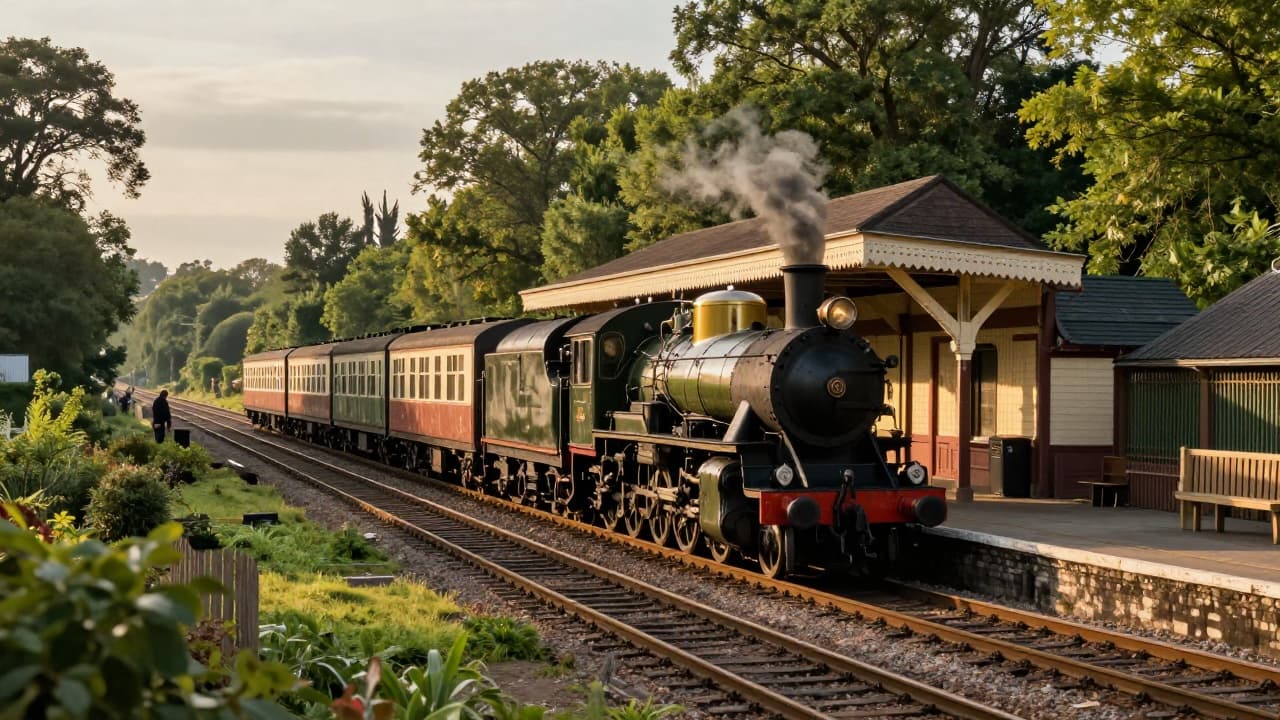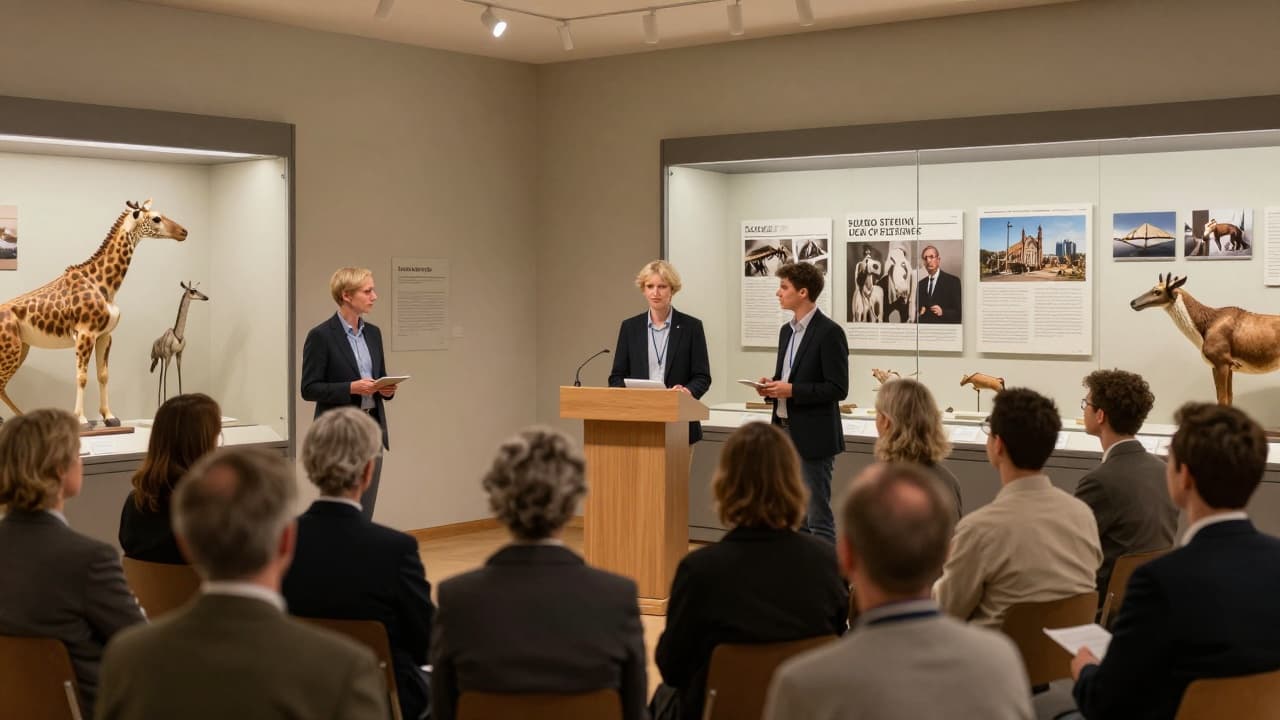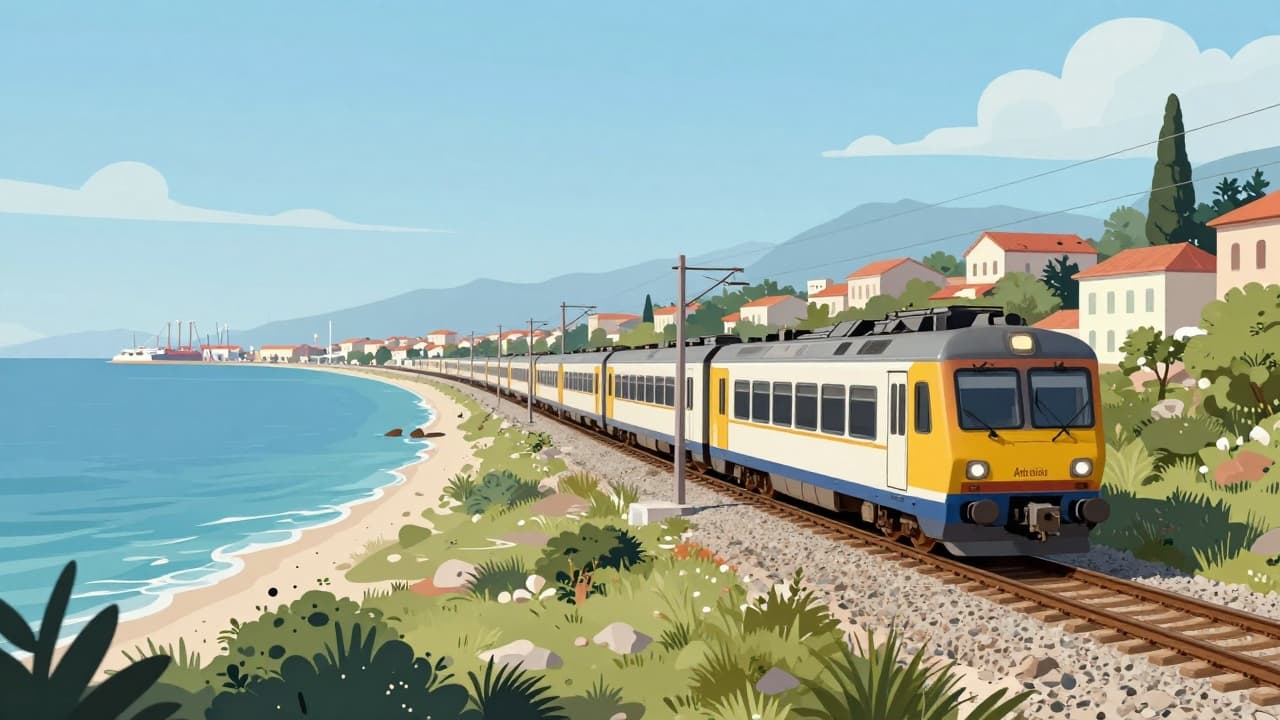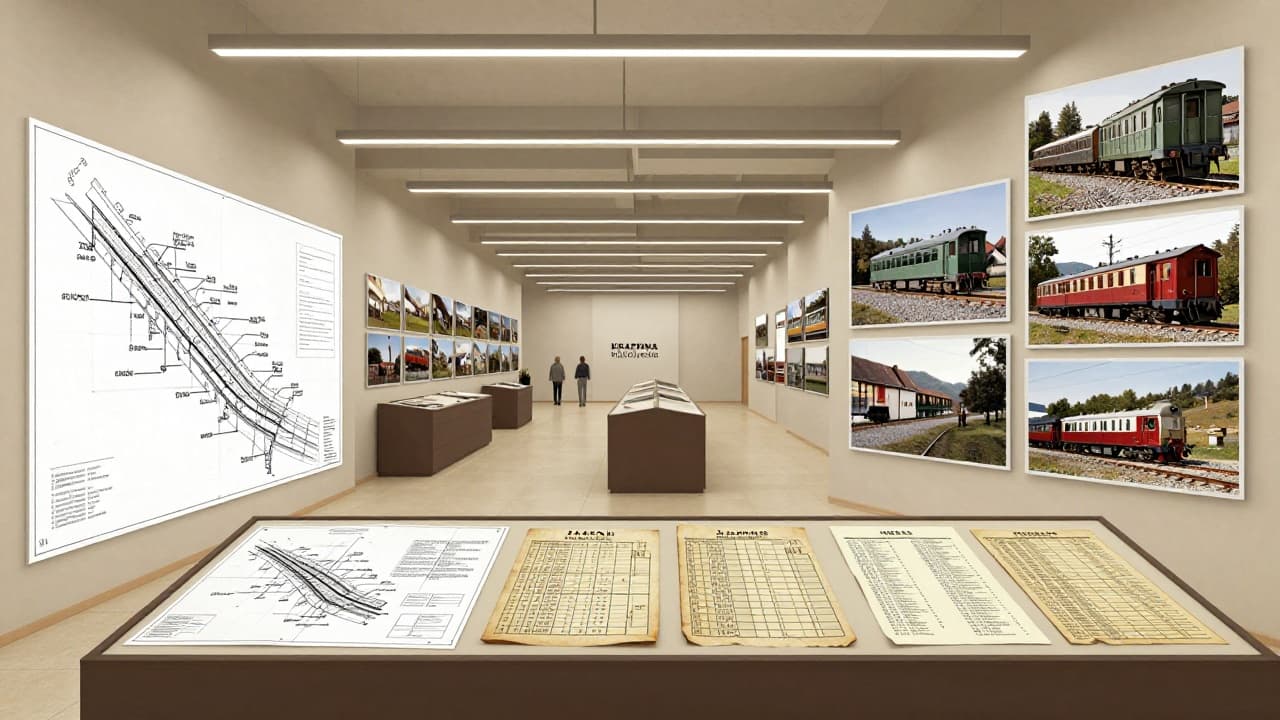
An exhibition titled “Zagorski cug”, dedicated to the 140th anniversary of the opening of railway lines in the Croatian Zagorje region, has opened at the Krapina Public Open School (Pučko otvoreno učilište Krapina). The exhibition is organised by HŽ Infrastruktura and the Croatian Railway Museum in cooperation with the Krapina Public Open School, with Josip Kajinić as the author.
Kajinić highlighted that “Zagorski cug” depicts the development of the Zagorje railways and their impact on the daily lives of residents. He cited the effort to mark railway history in a dignified and appropriate manner in every part of Croatia as the primary motivation for the exhibition. He added that the arrival of the railway opened up new opportunities for travel and employment for the inhabitants.
The exhibition covers the historical development of railways in the Croatian Zagorje area, beginning with the line towards Varaždin from 1886 and its branch towards Krapina. The line from Zabok to Gornja Stubica was built in 1916 and was the last local, or vicinal, railway constructed in the entire Austro-Hungarian Monarchy. During the interwar period, the line was extended from Krapina via Đurmanec to Stranja in Slovenia, and after the Second World War, in 1956, the so-called Kumrovec line was built along the Sutla river valley. It connected Savski Marof with Klanjec and Kumrovec, and four years later it was also connected to Slovenia. Visitors to the exhibition can view original plans, documentation and timetables from the Austro-Hungarian era, as well as other artefacts.
Grozdana Pavlović, director of the Krapina Public Open School, emphasised the historical value of the exhibition and her satisfaction with the cooperation with the Croatian Railway Museum. She stated that they had hosted pupils from the seventh and eighth grades of the August Cesarec Primary School in Krapina, and that the exhibition will remain open for one month.
Darko Barišić, a member of the Management Board of HŽ Infrastruktura, said that the arrival of the railway in Zagorje in 1886 spurred economic development, brought technological progress and enabled greater mobility for the population. He highlighted that HŽ Infrastruktura is currently in its largest investment drive in the history of the Republic of Croatia. In 2021, the project to modernise and electrify the line between Zaprešić and Zabok was completed, enabling speeds of up to 120 kilometres per hour and the installation of new, modern equipment. Following this, the renovation of the line to Krapina was completed, and work is currently underway on three further projects: the line towards Gornja Stubica, the renovation of the line from Zabok towards Varaždin, and the Kumrovec line. Work on the line towards Gornja Stubica is due to begin this week.
Zoran Gregurović, mayor of Krapina and member of the Croatian Parliament, emphasised the importance of the railway for the economic and social development of Zagorje. He said that the most economically developed parts of the county developed precisely along the railway, with factories opening, people settling and towns growing up alongside the lines. He also shared memories of train journeys, recalling the green trains they called “Texas”, with wooden benches, and waiting in Novi Dvori, where they would let the fast train from Varaždin towards Zagreb pass.