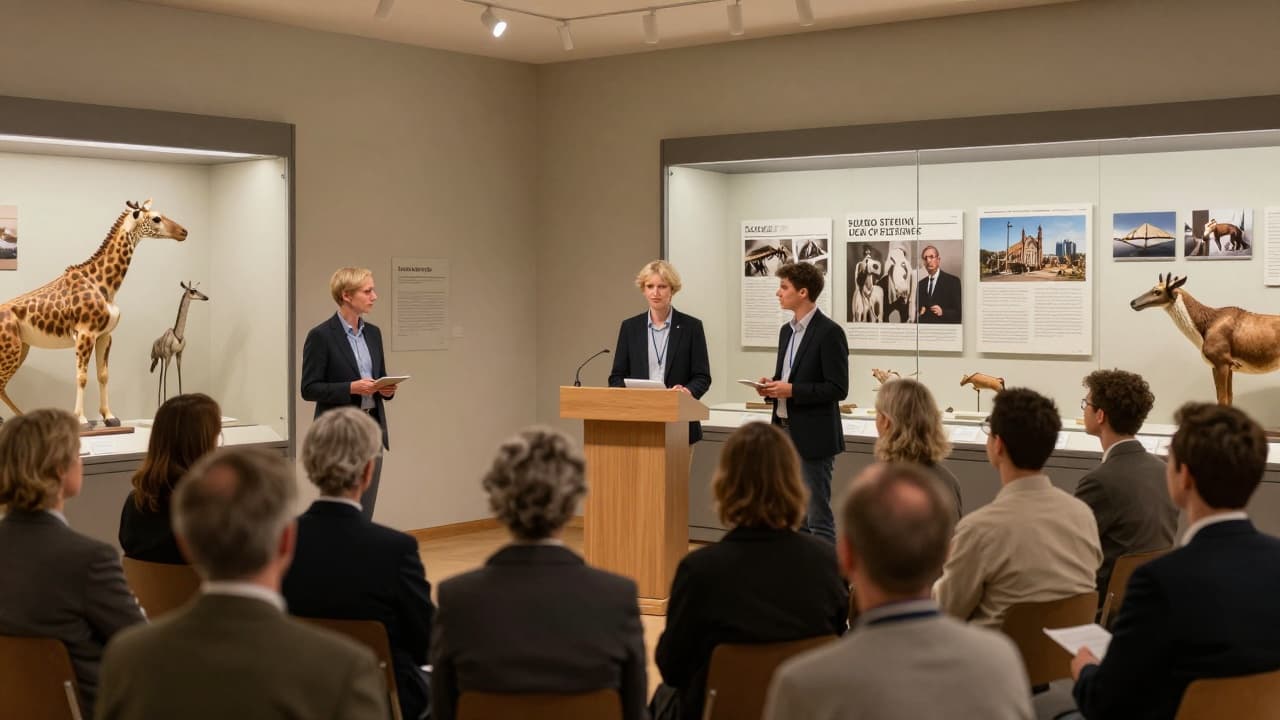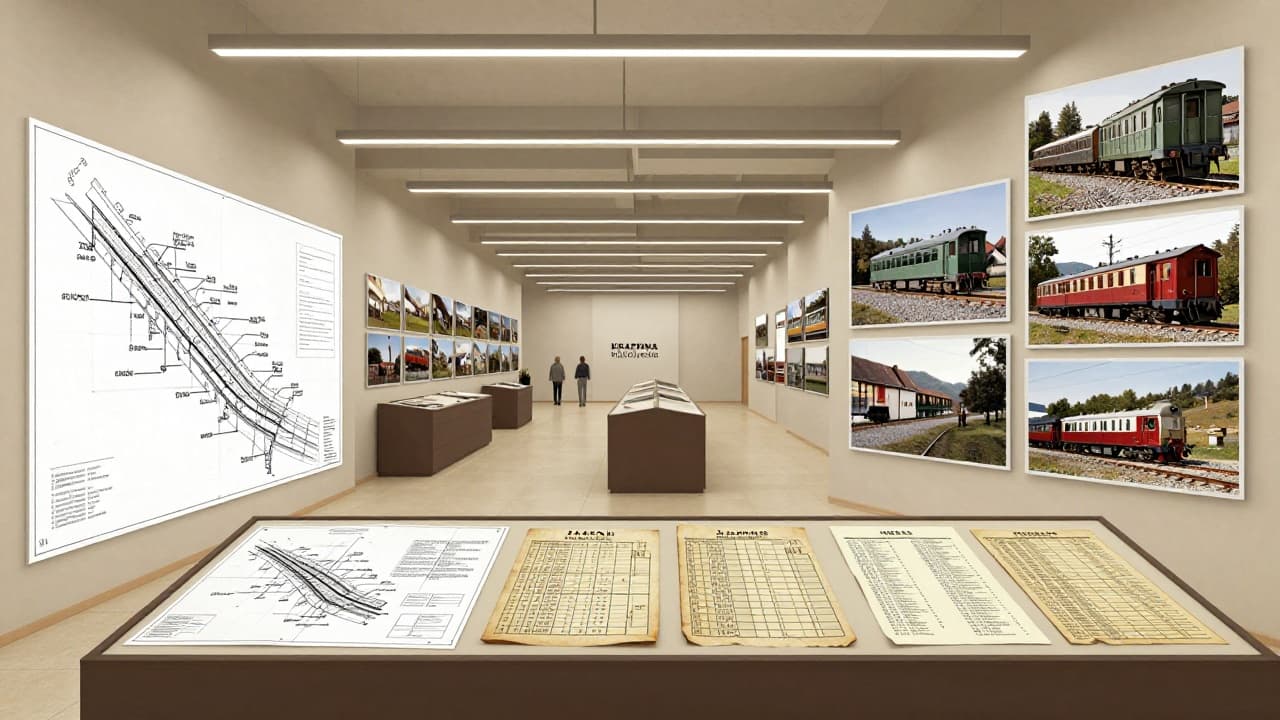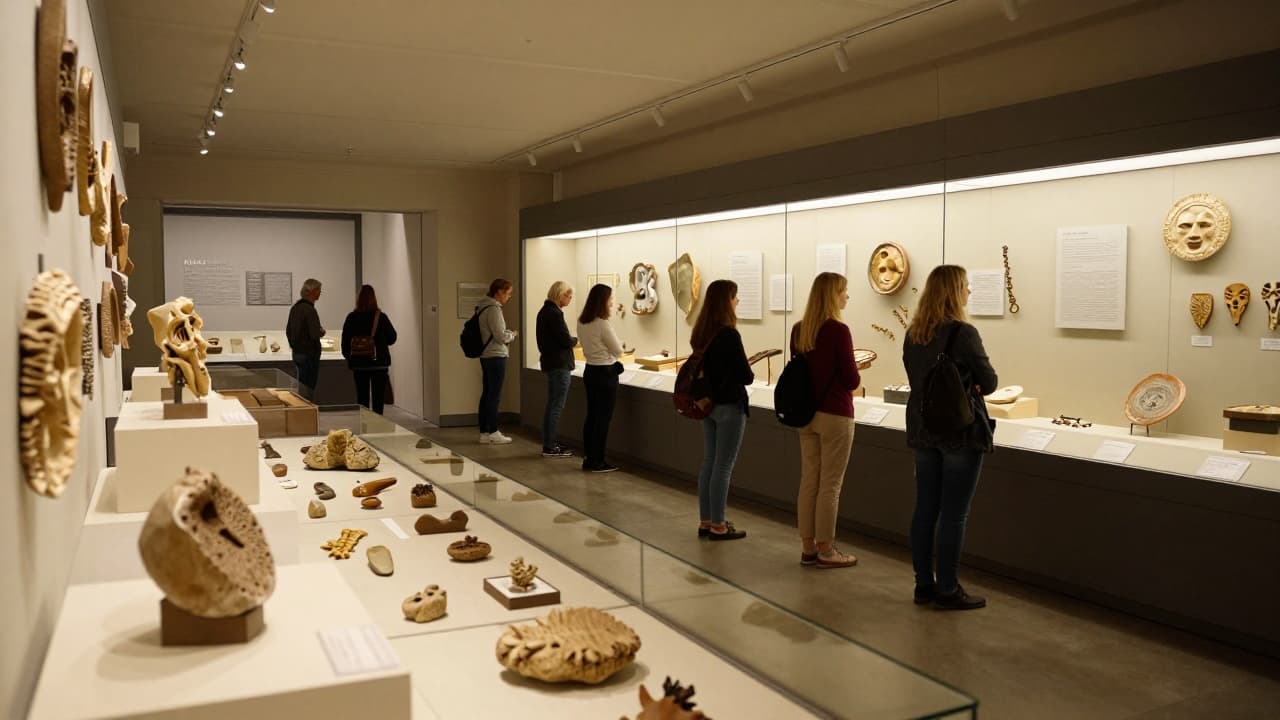
The exhibition titled "When Zagorje Was an Ocean – the Miocene of North-West Croatia" was officially opened yesterday at the Hiža vinove loze in Radoboj. The display guides visitors millions of years into the past, to a period when the area of today’s Croatian Zagorje underwent significant geological and climatic changes.
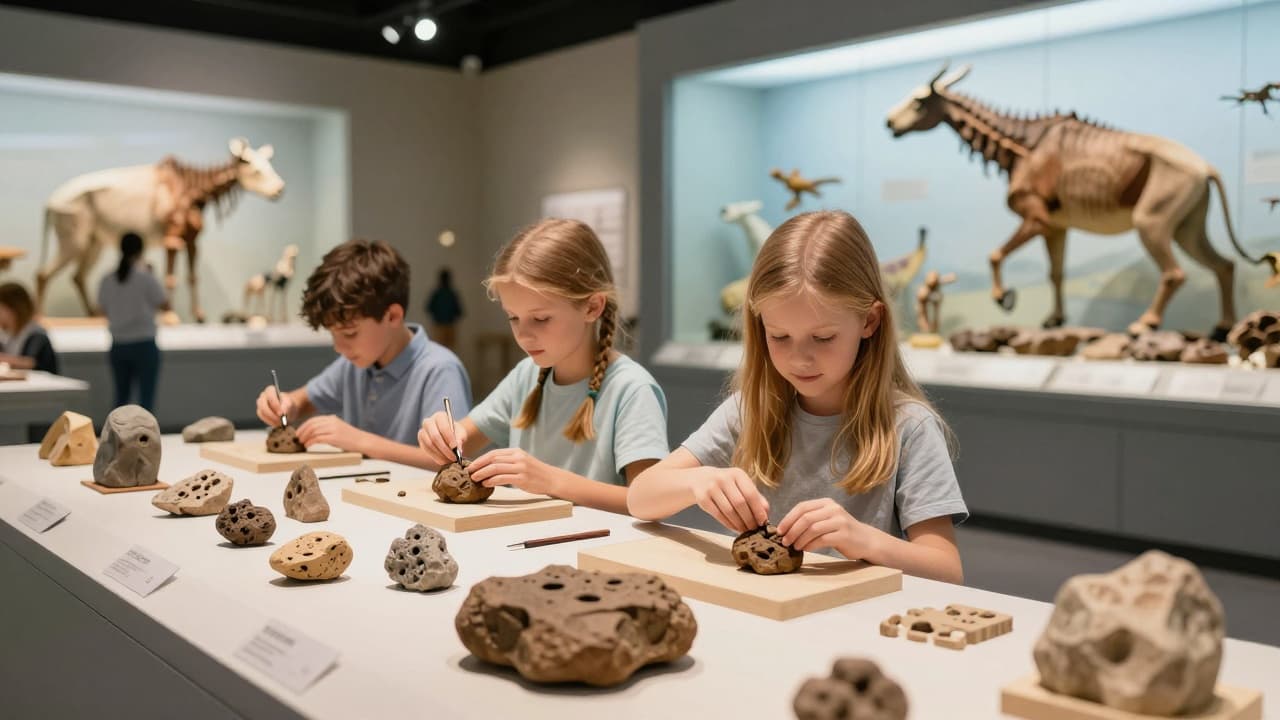
The exhibition is the result of inter-museum and international cooperation between the Radoboj Museum, the Krapina Neanderthals Museum and the Slovenian Museum of Natural History. The Radoboj Museum initiated the collaboration with the aim of presenting the rich geological and palaeontological heritage of Radoboj and north-west Croatia. Through displayed fossils, geological finds and expert interpretations, visitors are shown what the former plant and animal world looked like and how the landscape and natural conditions in the area changed over millions of years.
Ivana Hazulin Pospiš, director of the Radoboj Museum, expressed satisfaction that her institution was the lead partner in a collaboration linking three museum institutions from Croatia and Slovenia. She highlighted that Radoboj has held a special place on the palaeontological map of Europe for almost two centuries, thanks to its rich fossil sites. She added that this cooperation allows the museum to exchange expert knowledge and experience, opens space for new research and exhibition projects, and confirms that even small museums can be initiators of major and significant collaborations. She emphasised that the exhibition links local heritage with the broader geological context of north-west Croatia.
Eduard Vasiljević, senior curator and head of the Krapina Neanderthals Museum, explained that the Miocene was a geological epoch characterised by significant environmental changes in the area of today’s northern Croatia. During the Miocene, marine, lacustrine and terrestrial environments alternated in the Croatian Zagorje, and these processes were linked to the broader geological development of the Pannonian Basin system and the former Paratethys. These changes are today evidenced by sedimentary rocks and numerous fossil remains of organisms that inhabited those environments, and Vasiljević specifically highlighted the significance of Radoboj, whose exceptionally valuable palaeontological sites provide unique insight into the former plant and animal world.
Nikolina Ileković, curator at the Krapina Neanderthals Museum, highlighted the exceptional geological and palaeontological value of Radoboj and the Croatian Zagorje, specifically emphasising the significance of the Radoboj fossil collection held in that museum. She also pointed to the importance of preserving and professionally studying this valuable material.
Matija Križnar, palaeontologist at the Slovenian Museum of Natural History, thanked the partners for the excellent collaboration and presented the Slovenian museum’s contribution to the realisation of the exhibition, specifically highlighting the richness of the Radoboj fossils held in their collections. He announced the continuation of cooperation with the Radoboj Museum, emphasising that detailed professional and scientific study of part of the Radoboj collection held in Slovenia is already planned for next year. The planned research includes better documentation, photographing of fossils and the preparation of professional and scientific publications.
Katarina Kadivec, geologist at the Slovenian Museum of Natural History, highlighted that the Radoboj fossil collection represents one of the oldest collections of Miocene age held in their museum. She emphasised the exceptional scientific and historical value of this material, as it has enabled the acquisition of important insights into the geological past and life in the Miocene period over the decades. She specifically highlighted the significance of preserving such collections, which remain a valuable source of knowledge and a foundation for further scientific research. The Slovenian Museum of Natural History possesses a valuable collection of fossil insects and other finds from Radoboj, which was collected by their first curator approximately 150 years ago.