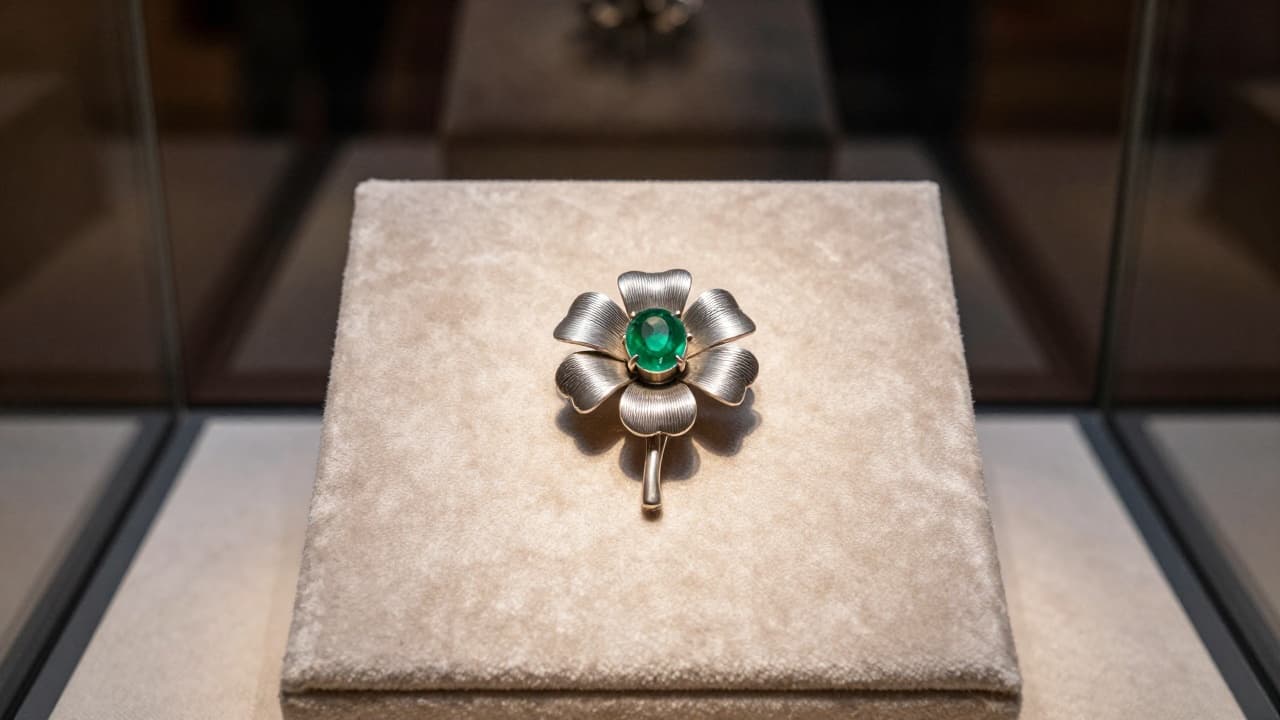
Jastrebo will host the 'Cvjet Srebrenice' (Srebrenica Flower) exhibition this autumn. The opening ceremony is scheduled at the town museum on 21 October at 18:00, with the exhibition remaining open until 24 October. Entry is free.
The exhibition places the 'Srebrenica Flower' at the centre of the display, with the surrounding installation dedicated to filigree, a metalworking craft passed down through the Bektić family for generations. The majority of the installation features artistic jewellery in the filigree technique, an ancient method of crafting jewellery and decorative objects from very thin gold or silver wires and small metal beads. These are bent, woven, and soldered to create patterns resembling lace. In the Bektić workshop, the craft is continuously developed and refined.
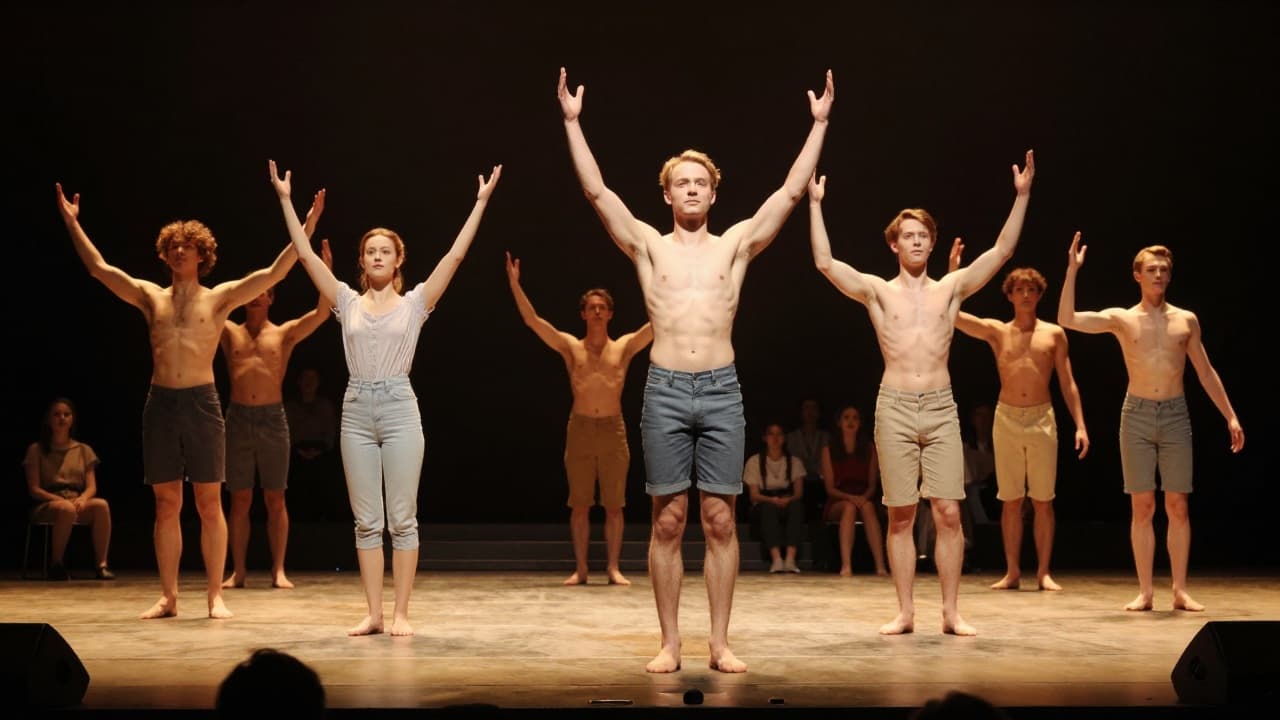
The exhibition opening will be accompanied by a fashion show in which the unique jewellery will be worn by ballet dancers from the Jastrebo Ballet Studio.
The artist, Mensur Bektić, stated that he had long felt the need to contribute to the memory of the victims of the Srebrenica genocide, as a reminder that such an event should never happen to anyone again. He highlighted that silver, a metal mined in Srebrenia, had been used to mint coins for the Roman Empire. Filigree, he explained, is primarily worked in silver. The connection and realisation that his great-grandfather had gone to Srebrenica to work in metal processing at the site itself prompted him to persist in this work.
Lush fields of various flowers inspired him to create a flower in silver, Bektić said. The eleven petals symbolise the days, while the petals are filled with eyes, of which there are seven. The eyes symbolise the sun and the moon, or 11/7, the Day of Remembrance for the Bosniaks, victims of the genocide in Srebrenica, a protected zone of the United Nations. The eyes are the eyes of the innocent, a warning to all of us, and to the eyes of the future that are coming, that the crime of genocide is not repeated, he said.
The natural colour of silver is white, which symbolises innocence, as is Srebrenica, Bektić said. In the centre of the flower is green glass, symbolising the meadows where these flowers, which await a brighter future, grow. The flower, he stated, is full of symbolism, and love and emotion cannot be shown materially, but can be expressed through a flower. Through this flower, the emotion is symbolically transferred from the creator to the holder and wearer of the flower, he added.
The complexity of this unique brooch led the artist to establish a foundation, which has for many years managed to secure funds for the education of students from socially disadvantaged backgrounds and particularly gifted students from Srebrenica and its surroundings, selected by the 'Mothers of Srebrenica and Žepa' Association. The 'Srebrenica Flower' Foundation has so far awarded 283 scholarships to students in Srebrenica and surrounding areas.
The Bektić family is one of the most prominent crafts families in Sarajevo, with a tradition spanning over 450 years. Mensur Bektić was born on 2 June 1969 in Sarajevo. In 2005, his jewellery was included in the book 'Traditional Handicrafts of Bosnia and Herzegovina', published by UNESCO, and in 2015, at the World Congress of Islamic Art in Tabriz, he received a special award for artistic merit for the 'Srebrenica Flower'. In 2022, he was nominated by the 'Mothers of Srebrenica' association for the City of Sarajevo award. He has been exhibiting his work at various exhibitions and events since 1996.
The 'Srebrenica Flower' is worn by many prominent advocates of humanitarian work.