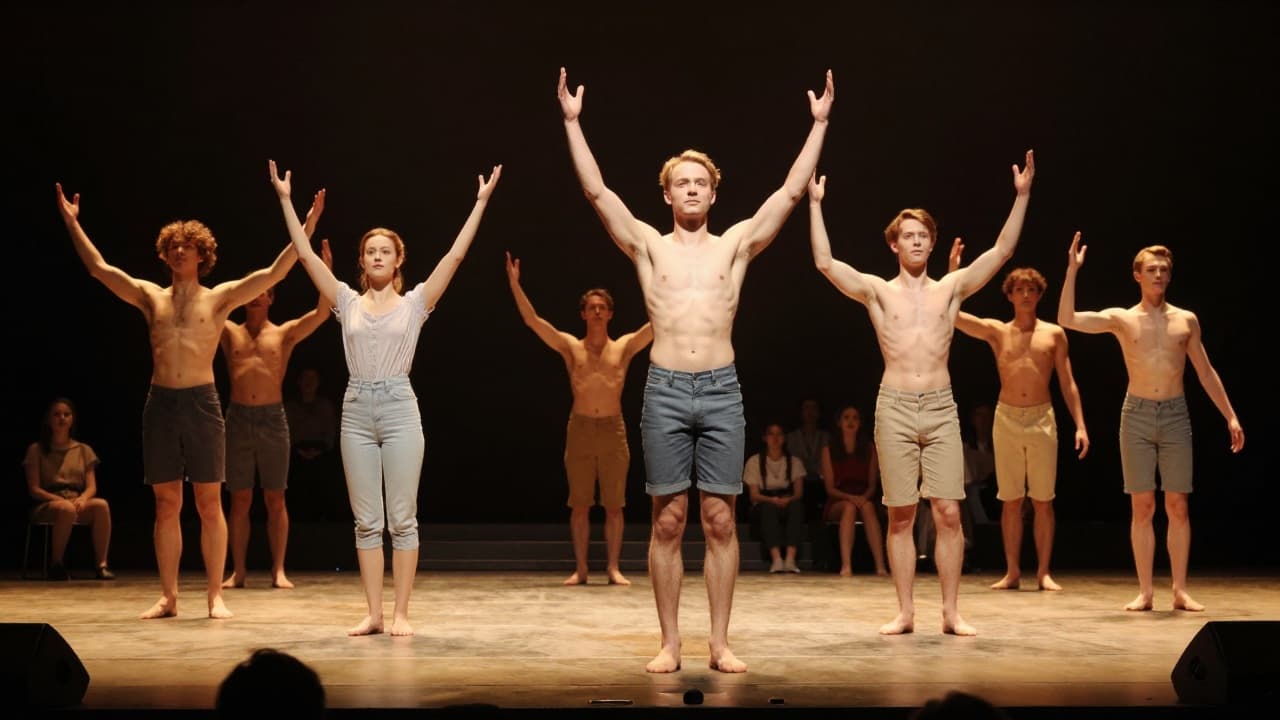
The 60th International Folklore Festival Zagreb is preparing a special artistic programme for the weekend of 23 and 24 October. As part of the programme, performances of Korčula sword dances — the moreška and kumpanija — will be held.
The moreška is preserved in the town of Korčula and is performed by KUD Moreška (Cultural Art Society Moreška) accompanied by brass music. This colourful sword dance depicts the struggle of an army over a girl named Bula. Over the centuries it has changed and completely merged with the identity of the town of Korčula. In its dramatic section it portrays a typical struggle for a girl through the conflict of two armies — the white Osman and the black Mora — while the clash of civilisations remains in the background.
The moreška is structured into eight separate choreographic sections: after the introductory dance figure of the sfida (challenge), seven different sword-fighting figures, kolapa, follow. It is performed to musical accompaniment composed by Krsto Odak in 1937, and in the town of Korčula it has been passed down through generations for over 400 years.
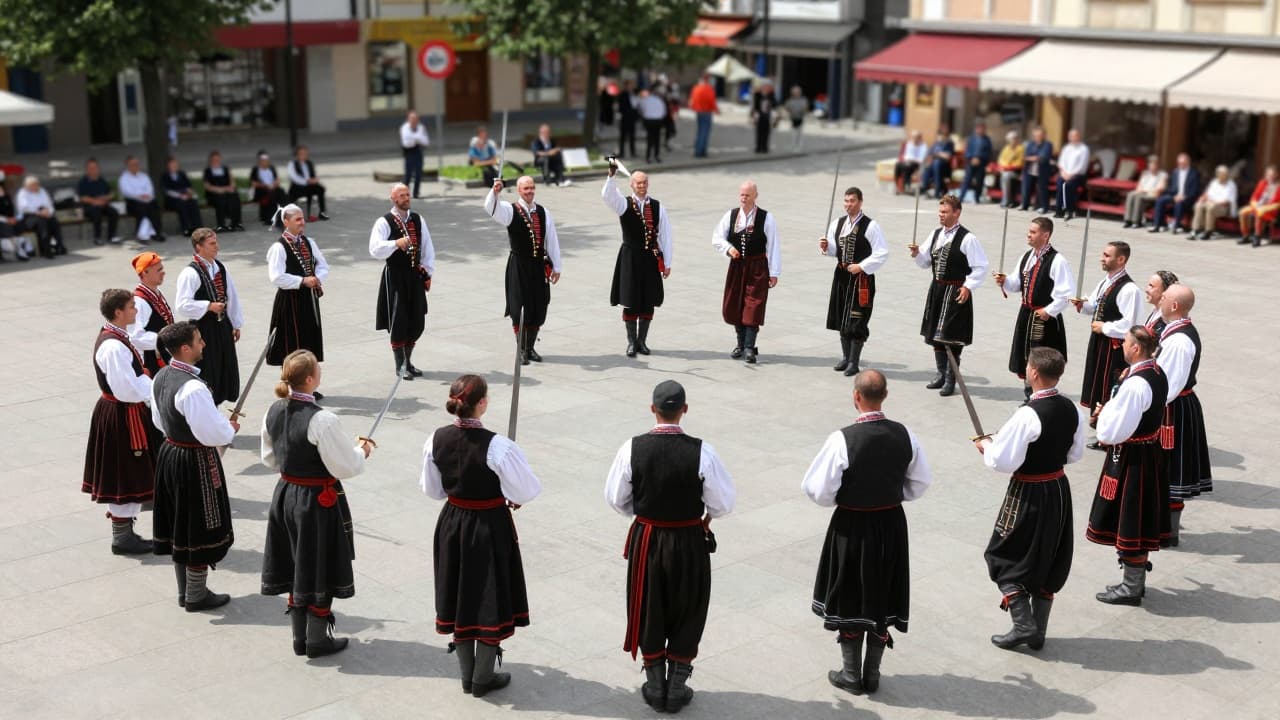
The kumpanija is an organised group of men who dance with swords, demonstrating skill and readiness to defend. Members of the Viteško udruženje "Kumpanjija" (Knights' Association "Kumpanjija") from Blato travel to Zagreb. The kumpanija is preserved in the old settlements of Korčula island — Žrnovo, Pupnat, Čara, Smokvica, Blato and Vela Luka.
According to tradition, the dance is a reminiscence of the battles of Korčula companies — kumpanija against pirates who attacked the island in the past. It belongs to the group of chained sword dances in which swordplay is secondary or entirely absent, and the emphasis is on the connection between dancers so that each holds the tip of the sword of the person in front or behind them. The connected dancers form a chain in which different dance figures are alternated, interlocking and unfastening in the most varied ways.
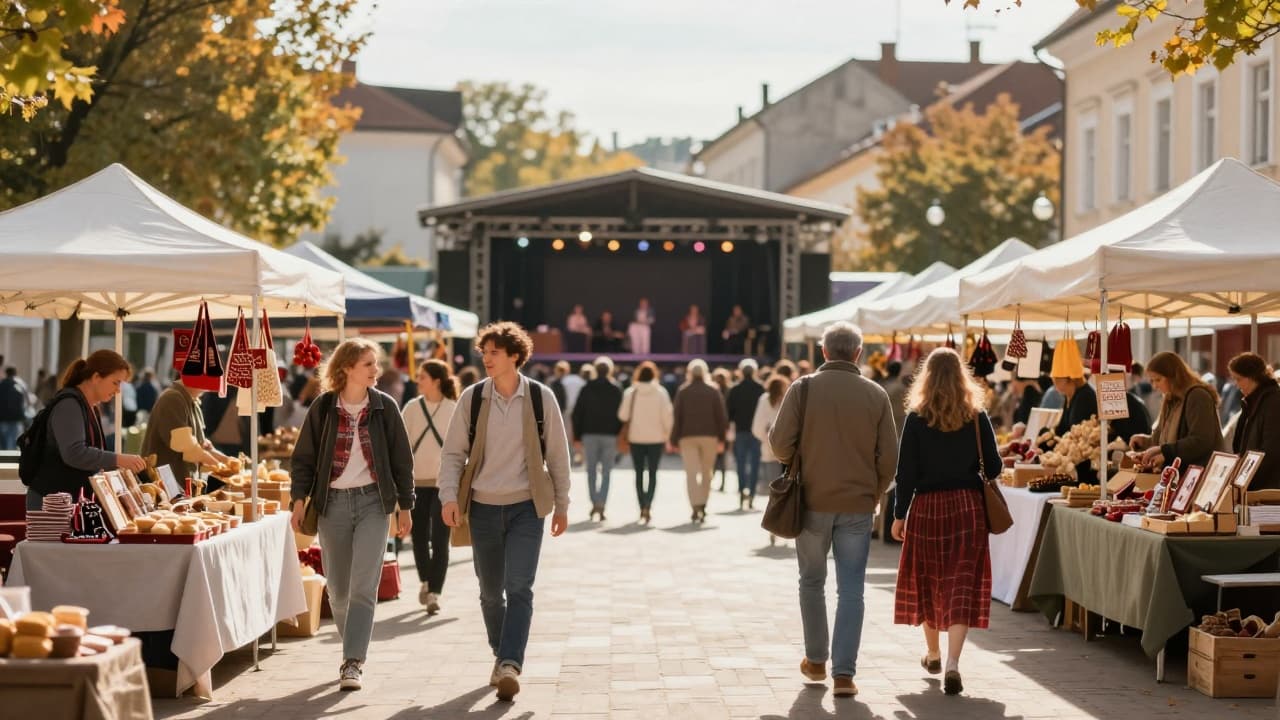
Both societies participated in the first Folklore Festival in 1966. After 60 years, their performances will be held on 23 and 24 October in central Zagreb — at Ban Jelačić Square and Zrinjevac. The performances will take place on Friday 23 October at 19:00 at Ban Jelačić Square. On Saturday 24 October, the programme will be performed at 11:00 at Zrinjevac instead of the originally planned Flower Square. The change of Saturday's venue is the result of the organisers' desire to ensure maximum production standards for performers and audiences, which the first venue could not fully guarantee for that part of the programme.
The Kumpanija of Korčula island, unique in the world, and the dramatic duel of two armies with swords — the moreška from the town of Korčula — make the island unique in the world for these combative, knightly sword games. The moreška and kumpanija are preserved in the old settlements of Korčula island and are entered in the Register of Protected Cultural Goods of the Republic of Croatia. The moreška, as a living picture of the town of Korčula, and the kumpanija, historical protectors of the old island settlements, provide a specific view from the present into the past through the art of sword dance movements. The performances aim to enable all citizens of Zagreb to access these symbols of local — Blato and Korčula island — identity, which is also significant in a national sense.
In case of rain, performances scheduled for 23 October will be held at KD Blagoje Bersa (Cultural Centre Blagoje Bersa) at the Music Academy. In case of rain, performances scheduled for 24 October will be cancelled.