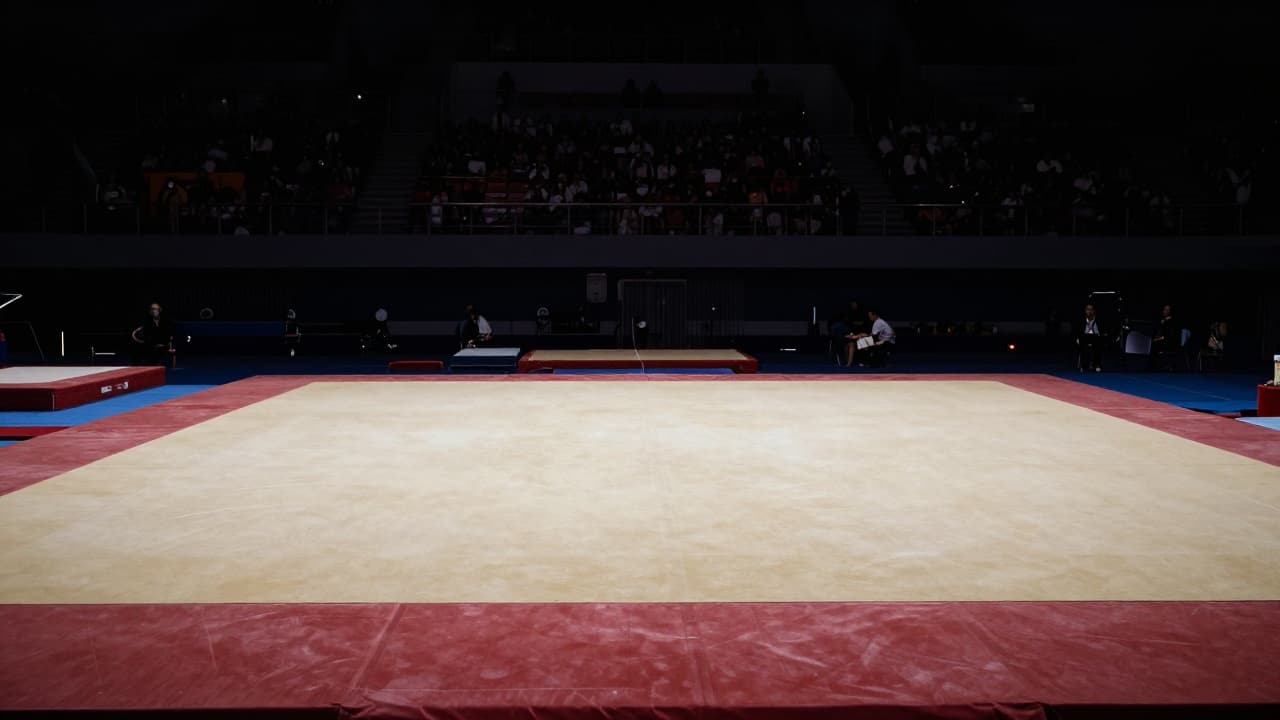
The use of AI-assisted judging at the Gymnastics World Championships has drawn criticism from some leading gymnasts, while sport officials have not ruled out the technology being used to decide medals at the Los Angeles Olympics. Gymnastics officials stated they would be "very surprised" if AI-assisted judging was not implemented at the 2028 Games.
Olympic champion Carlos Yulo and British gymnast Harry Hepworth faced lower difficulty scores for their vaults in the qualifications. Both performed a piked Dragulescu, and their scores were reduced from 5.6 to 5.2. They attempted the same vault in the final, where Hepworth finished sixth, while Yulo fell and took seventh place.
Hepworth explained to BBC Sport that he bends his legs halfway through the rotation to prepare for landing, which he considers the most sensible approach because, as he said, he does not want to break his legs. "But the AI detection system caught that and said I was in a tuck position, which then lowers the vault score by four tenths," he said. He added that this had certainly cost him several places in the final. "I think it says a lot when me, an Olympic bronze medallist on vault, and an Olympic champion on vault are penalised by the AI system for the same thing," Hepworth said. He also highlighted that Yulo attempted straight legs in the final but fell because it is very difficult to execute and, in his view, quite dangerous.
Yulo stated that he was disappointed by the lowered score. "I don't know what the problem is," he told Inside Gymnastics. "It's AI, I am not a robot, we are human beings, in my opinion. I think everyone else is probably a bit disappointed too because everyone feels it is a pike position, so why is it only 5.2?"
Andrew Tombs, president of the Technical Committee for Men's Artistic Gymnastics, believes the AI system can guarantee fairness for athletes and that this is what they deserve. He said that judges at the World Championships would have lowered the difficulty score even without using the Judging Support System (JSS). Tombs acknowledged that lessons had been learned and that discussions were underway with coaches about at what point the JSS should take measurements. "I think the decisions made at the championships were correct based on what was in the system," he said.
JSS is artificial intelligence technology developed by Fujitsu since 2017. The system uses advanced AI and motion analysis to recognise gymnastic elements, as well as providing video reviews from multiple angles and objective numerical information about gymnasts' movements which judges use when considering scores. More than 800 elements are programmed into the system, including relevant parameters such as body position, shoulder angles and bent legs. Tombs explained that the difference between a straight and piked body position can be one degree and that JSS is there to support judges in making the correct decision on those body angles. "It is a significant transformation for us in terms of how we judge our sport. It has been prepared for a long time and we left Rotterdam very satisfied with how the system worked," Tombs said, adding that improvements are being made continuously. He announced that discussions had already begun with several coaches on the biomechanical understanding of the right moment at which the assessment is made and that the point at which leg position is measured will potentially be refined.
Hepworth sees the benefits of JSS but wants the system to be refined. "That is why you ask: 'what is the point of performing insanely difficult vaults' if they are going to lower your score anyway? Does it make any sense at all?" he said. "But I think if they refine it, it would be a great tool. I hope everything will be fine in the future."
Outside of gymnastics, judged Olympic disciplines such as dressage, freestyle skiing and snowboarding are also considering potential AI assistance in judging. The main goals appear to be strengthening fairness, accuracy and integrity, and removing ambiguity and subjectivity. They also want judged sports to be easier for the public to follow, unlike the current system where viewers following the competition every four years may not understand why one athlete won gold and another finished off the podium. The governing bodies for equestrian sports, skiing and snowboarding are to launch pilot projects on how AI can help in judging. In winter sports, this will begin with testing AI algorithms and technology at the highest level of aerials skiing in "coexistence" with human judges, before wider application to other disciplines such as halfpipe, slopestyle and big air if proven successful. The FEI, the world governing body for equestrian sports, is investigating how AI could be used in judging dressage and will begin testing in World Cups. Some limitations have already been identified, primarily because dressage involves judging the horse, the rider and the connection between them. Equestrian sport chiefs told the BBC that they believe the role of human judges will always exist. Ronan Murphy stated that judging is not just a question of whether a movement is performed technically correctly or in the right place and at the right time.