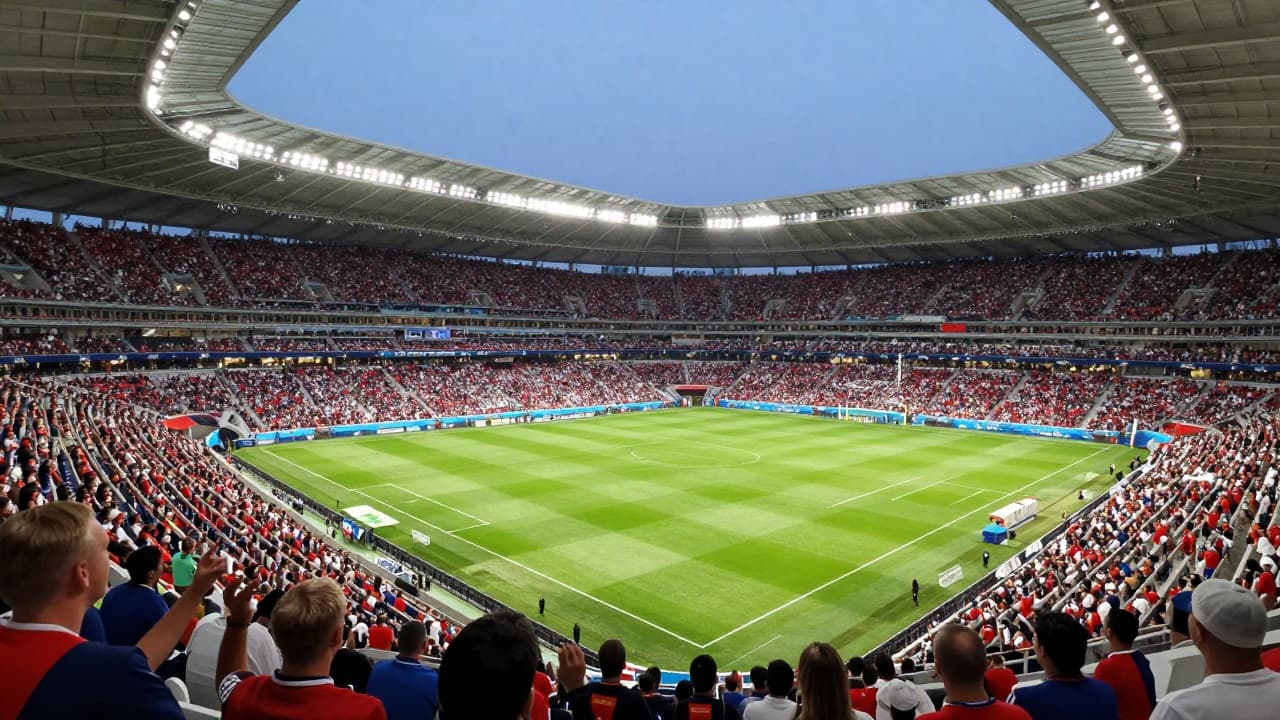
The FIFA World Cup held in the United States, Mexico and Canada this summer generated enormous revenue for the governing body. According to data from The Times, the football federation earned approximately $5bn from ticket sales and hospitality services alone.
FIFA has so far refused to confirm the figure. A spokesperson stated that official data would be published in the next annual report, once the necessary audits are completed.
For comparison, FIFA earned $929m from ticket sales for the 64 matches at the 2022 World Cup in Qatar. In the United States, Mexico and Canada, 40 more matches were played, and the revenue was five times higher.
FIFA President Gianni Infantino announced that this year's World Cup achieved total revenue of $15bn, which is $2bn more than expected.
FIFA faced intense public criticism before and during the tournament over its ticket sales policy. For the United States, Mexico and Canada, it introduced dynamic pricing, where costs rise or fall depending on demand, while taking a 30 per cent commission on any resale. Initial ticket prices were the highest in World Cup history.
Tickets for the final at MetLife Stadium in New Jersey on 19 July started at $4,185, which is seven times the price of the cheapest ticket for the 2022 final in Qatar. Football Supporters Europe and Euroconsumers, a consumer rights organisation, filed a formal complaint with the European Commission in response to what they called "very high" prices.
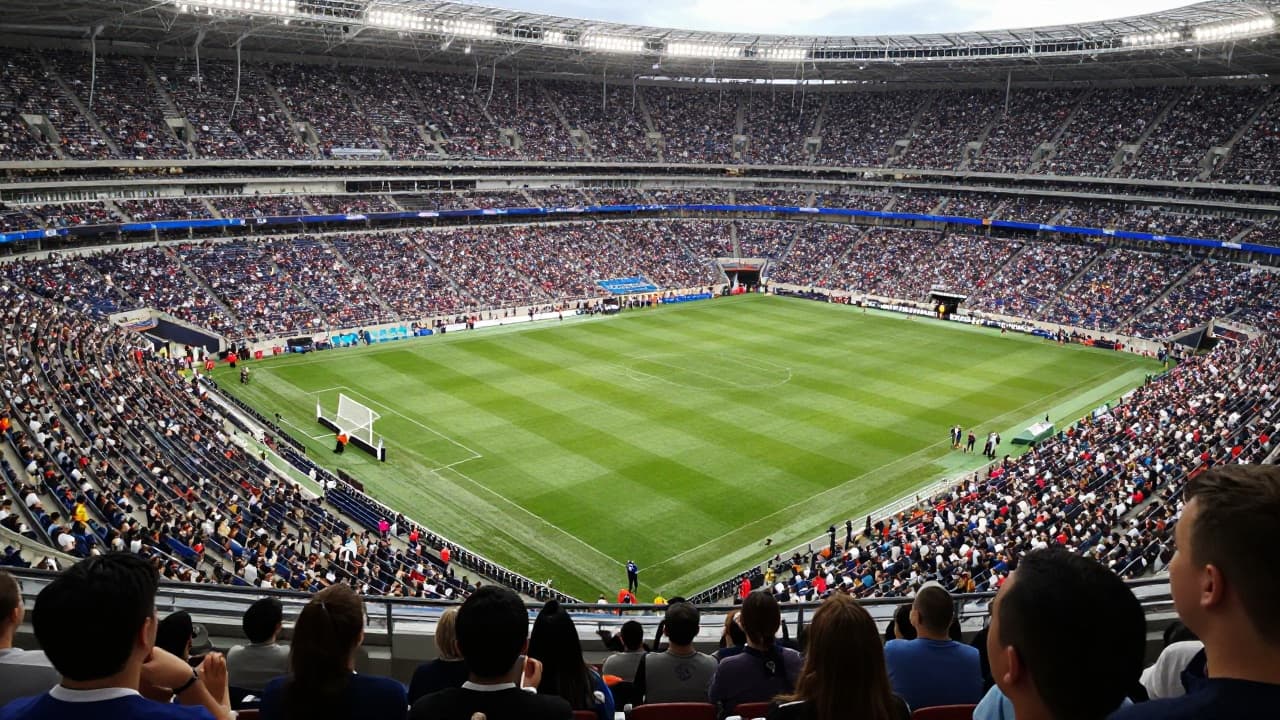
FIFA has consistently defended the prices, emphasising that all revenue generated from ticket sales will ultimately be reinvested in football. It also noted that the prices reflect the North American market, where paying hundreds of dollars to attend sporting events is not unusual. It highlighted that a total of 6.81 million fans attended the tournament, with an attendance rate of 99.7 per cent across all matches.