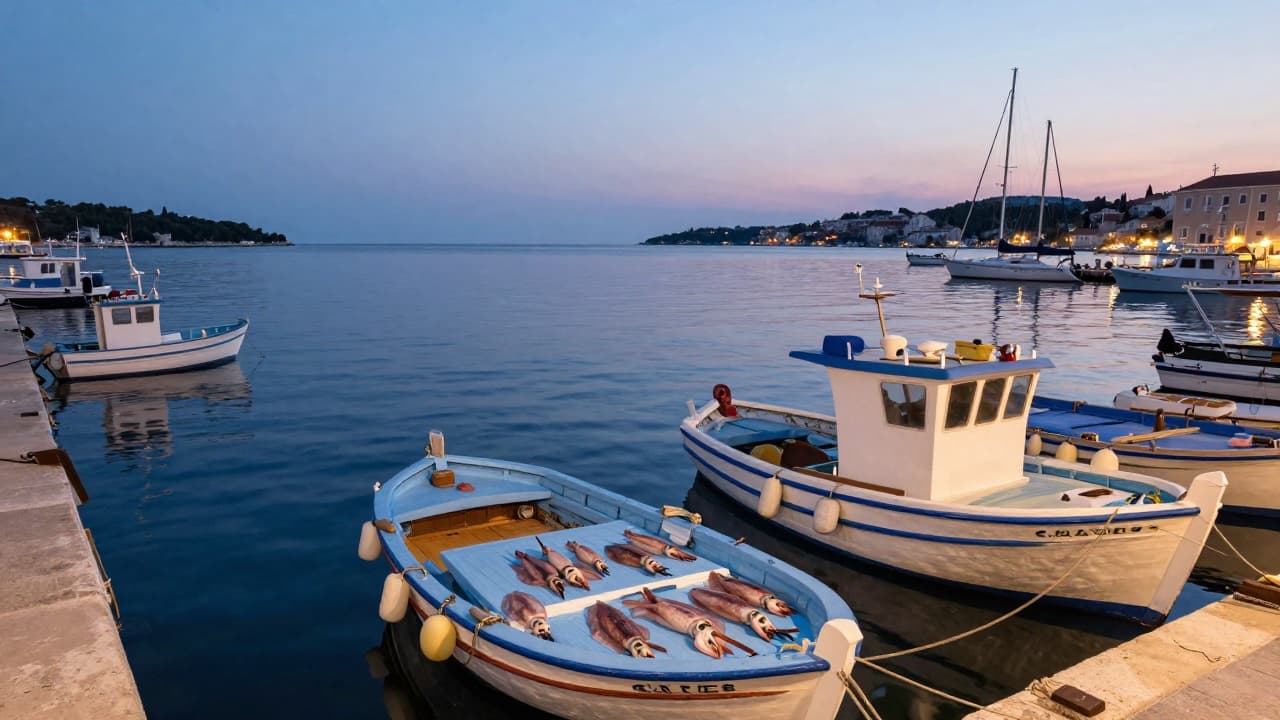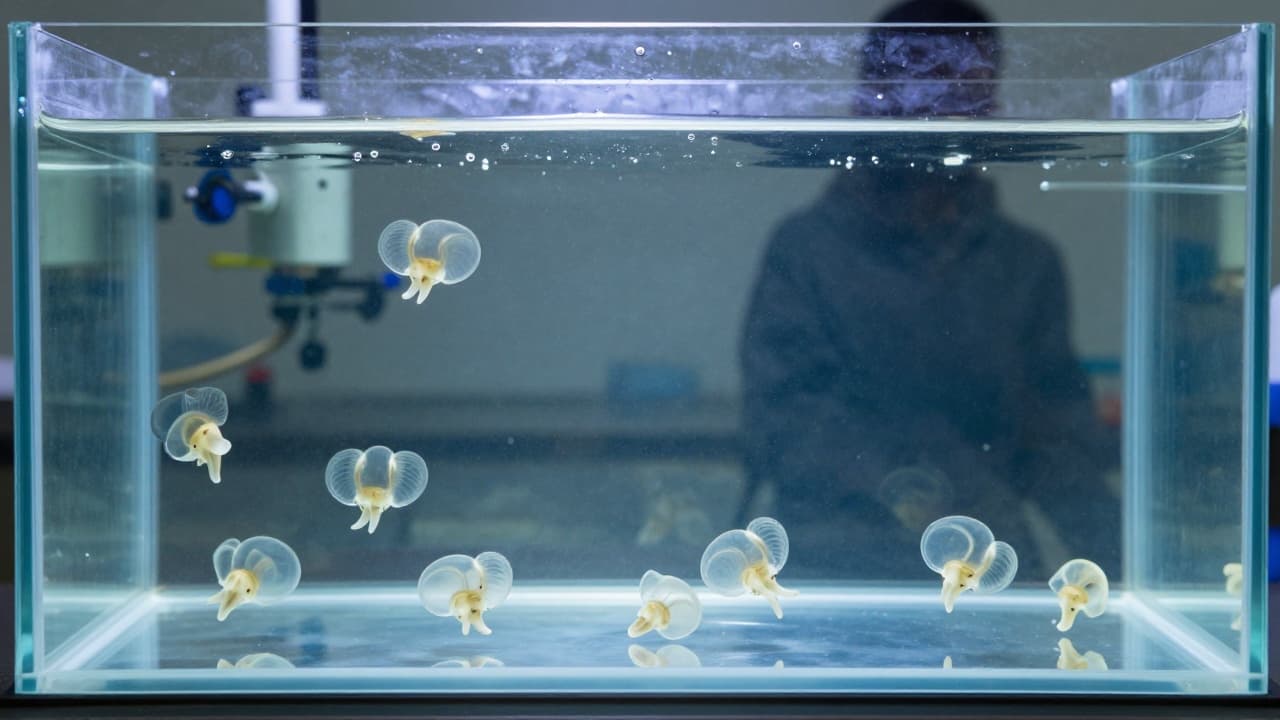
The Pula Aquarium has recorded the first hatching of giant moon snail (Tonna galea) larvae, one of the largest snails in the Adriatic. The eggs arrived at the facility on 30 September after fishermen found them in their net, and the first larvae hatched on 22 October.
After being pulled from the fishing net, the eggs were separated from their substrate and exposed to potential damage, predators and unfavourable conditions, making their chances of survival after being returned to the sea questionable. The aquarium therefore took them in and monitored their development. The eggs were between three and four millimetres in size, and the larvae that hatched from them were about one millimetre in size.
Female giant moon snails lay eggs at the end of summer, connected by a gelatinous matrix in a characteristic egg mass, with each egg capable of containing up to a hundred embryos. According to one of the few available studies, larvae hatch after approximately 34 days. The larvae are currently in the free-swimming veliger stage, and their shape resembles an elephant's head. Two ear-like protrusions are actually the velum, a four-lobed organ covered in cilia that enables them to move and gather food, while the elongated trunk-like part is the proboscis, associated with feeding. A foot, two black eyes and a shell are visible on the larvae.
At the Aquarium, they are fed several times a day with six species of phytoplankton and small copepods, and as the larvae grow, larger species of zooplankton will be introduced into their diet. The duration of the planktonic phase of this species has not yet been sufficiently researched.
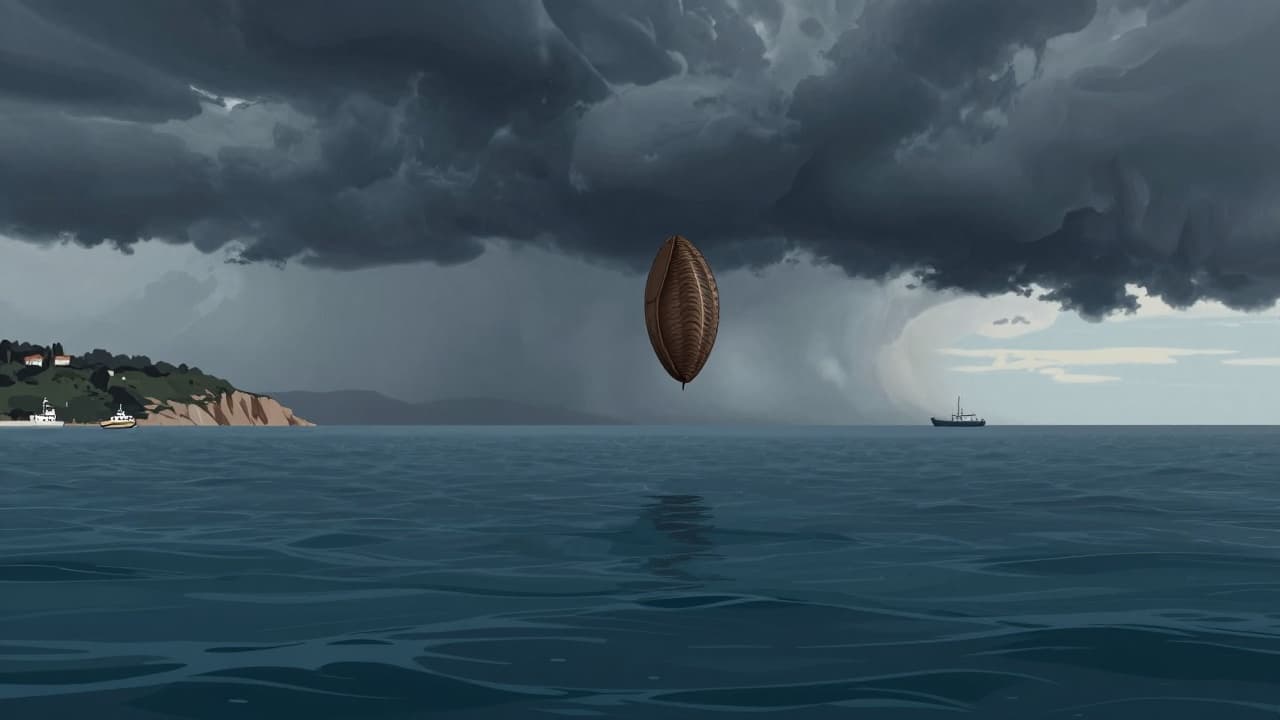
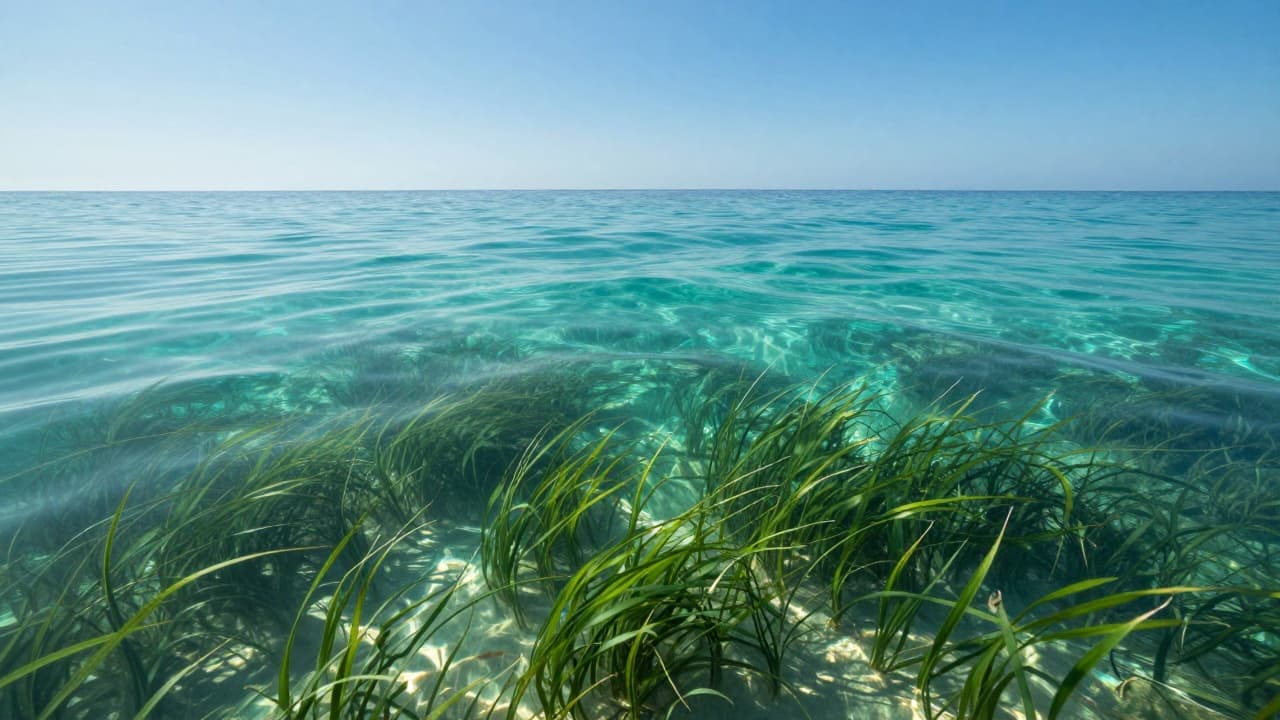
The giant moon snail is one of the largest and most striking snails in the Adriatic, named after its large, rounded, barrel-like shell. It is a nocturnal predator that inhabits sandy and muddy seabeds and feeds on marine invertebrates, including sea urchins. The Pula Aquarium highlights that this event is particularly valuable because it allows them to monitor and document the early development of a protected Mediterranean species, given that the life of such a large snail begins as a tiny planktonic larva.
Aquarium Pula thanked Lana Raffaelli and Neven Lorencin, who found the eggs, and student Marta Dobran and Associate Professor Neven Iveša, through whom the eggs reached the Aquarium.