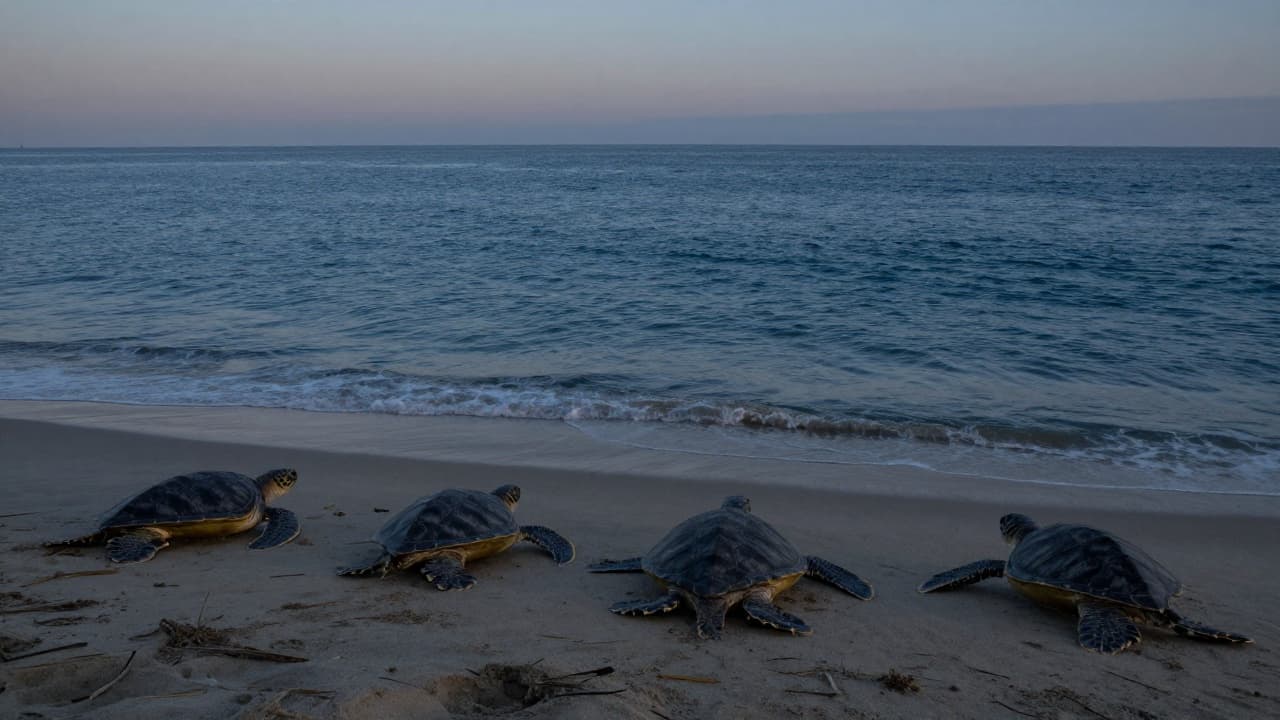
Two months after sea turtle nests were recorded for the first time in history on the West Coast of the United States, the eggs have hatched. A total of 75 olive ridley hatchlings were released into the Pacific, the Aquarium of the Pacific announced.
The eggs were incubated at the aquarium in Long Beach. The aquarium posted the first hatching on social media on Saturday. Some of the eggs from a nest on Seal Beach successfully hatched after a 58-day incubation period. The turtles were carefully released from the beach in the dark early morning hours. A second group of hatchlings from a nest on Huntington Beach was released into the ocean in the early hours on Sunday. A total of 54 turtles were released from the nest on Seal Beach, and 21 from the nest on Huntington Beach.
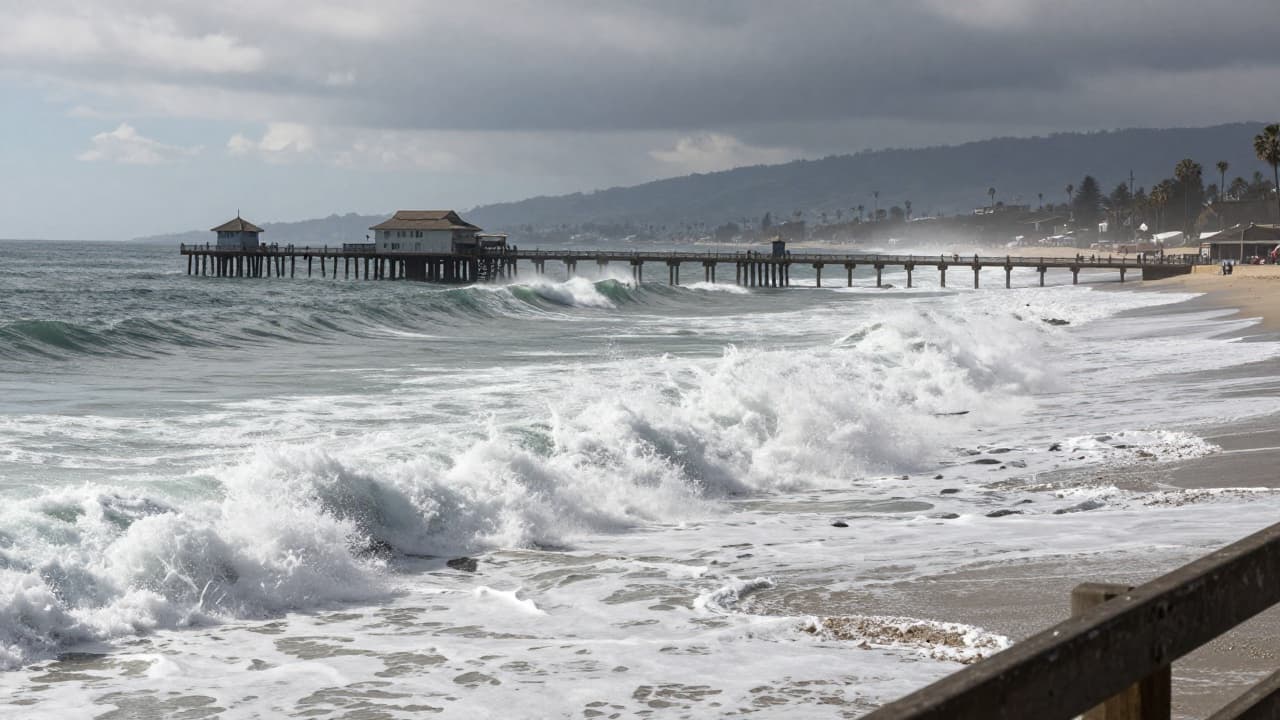
Two separate nests were discovered in September on beaches in Southern California. On 16 September, an olive ridley turtle was observed digging a nest and laying eggs on Seal Beach. This was the first recorded case of any sea turtle nesting on the West Coast. Three days later, a second turtle was spotted nesting on Huntington Beach.
The olive ridley turtle normally inhabits the Pacific, Indian and Atlantic oceans, and is known to nest at the southern tip of Baja California. The Aquarium of the Pacific states that it is not known why these turtles chose beaches in Southern California as nesting sites. The aquarium highlights that this behaviour indicates a significant historical change that could have long-term consequences for the species, as well as for local sea turtle management and protection. According to the aquarium, the behaviour of these turtles was likely at least partly driven by the approaching El Niño, a recent tropical storm, range expansion or perhaps navigational errors. The species is also known for its behavioural flexibility.
As Hurricane Polo began to form at the end of September, researchers from the aquarium and its allied and local partners moved 204 eggs from the two nests. The eggs were moved for incubation to the safety of the aquarium’s animal care facility. Jeffrey Flocken, president and chief executive of the Aquarium of the Pacific, stated that people will have to adapt and create space to give endangered and protected species a chance to survive. He added that if they hatch successfully, these small turtles will likely one day return to nest on those same beaches and continue future generations.
Researchers continue to advise the public to be on the lookout and search for new nests. On 1 November, a third nest was recorded in Ventura County. Those eggs were washed away by unusually high tides, which was likely also caused by El Niño.