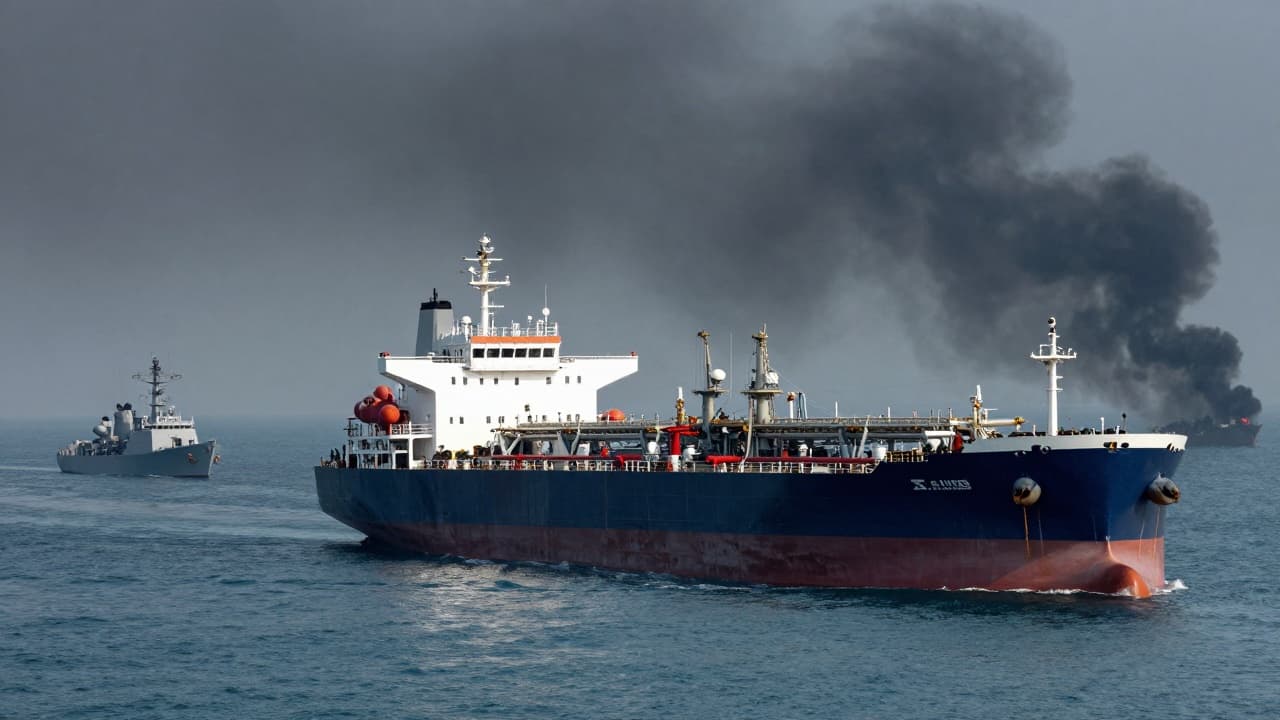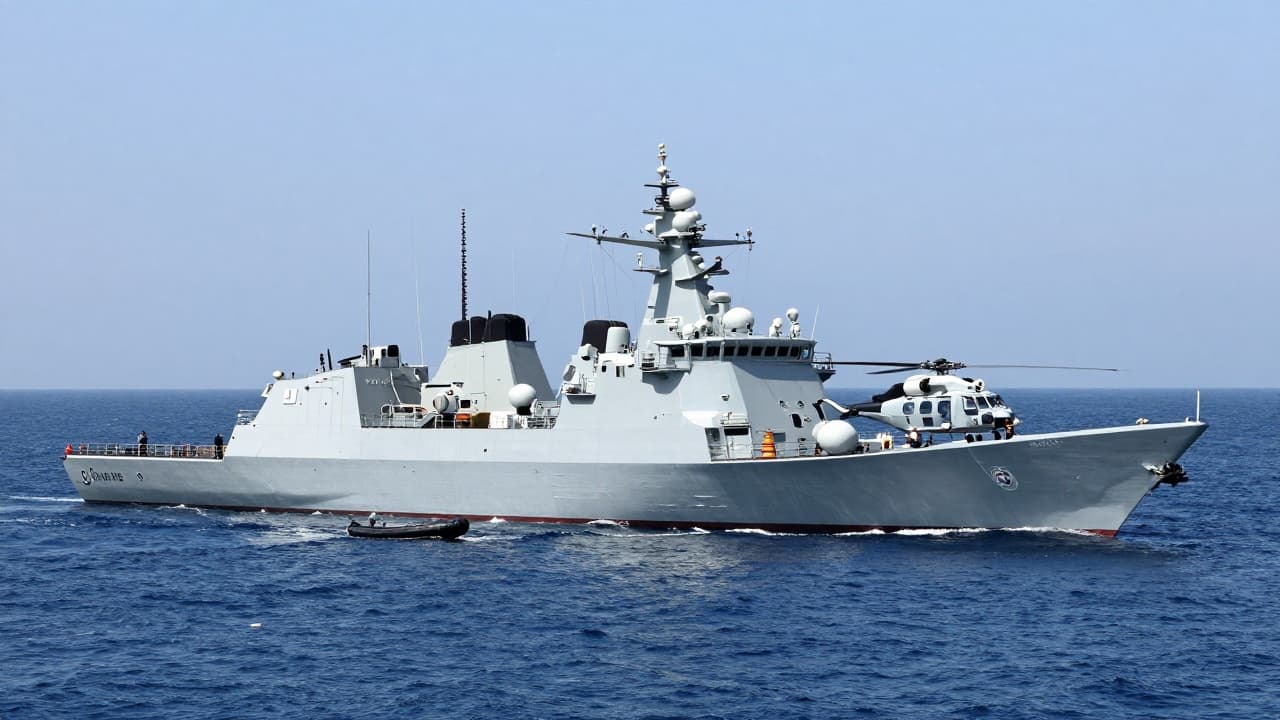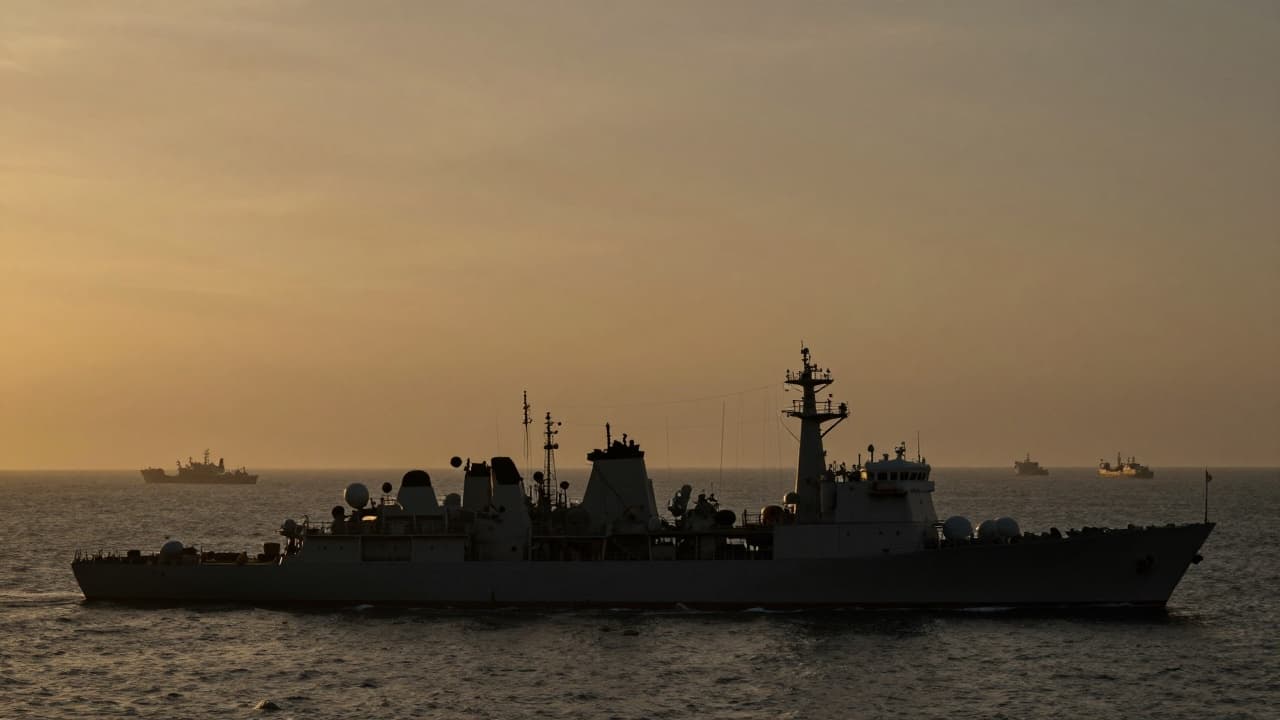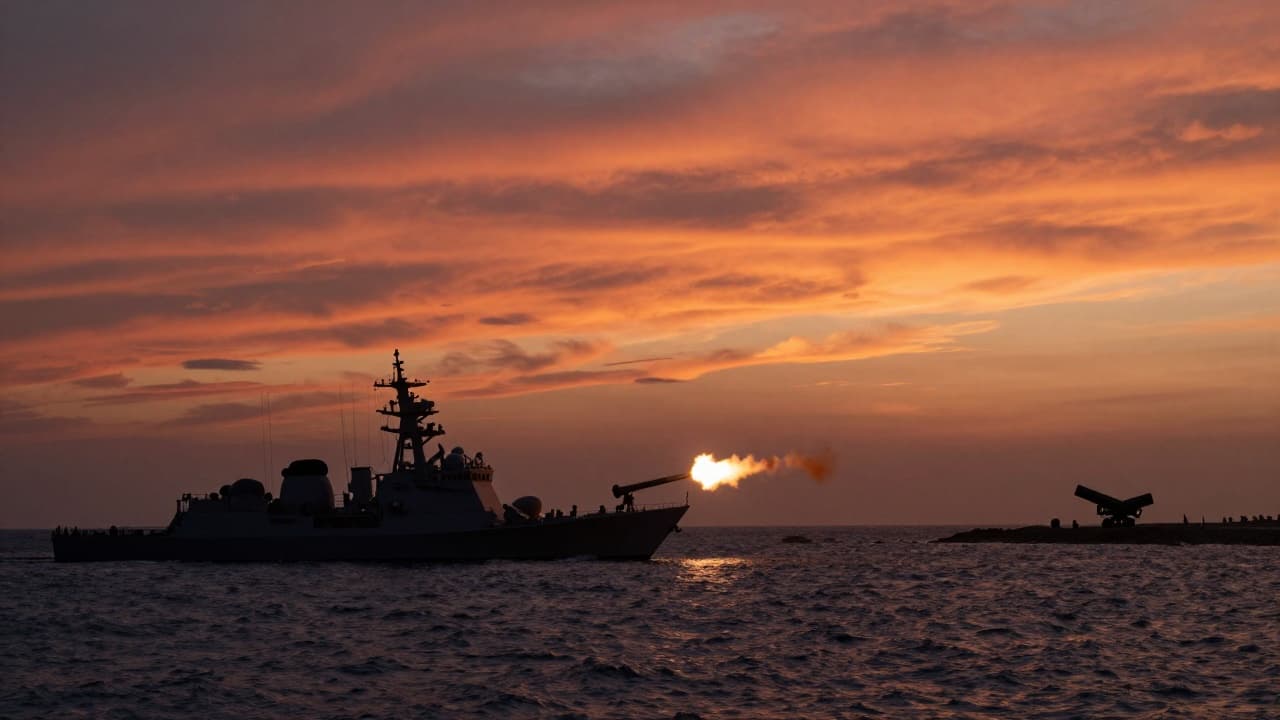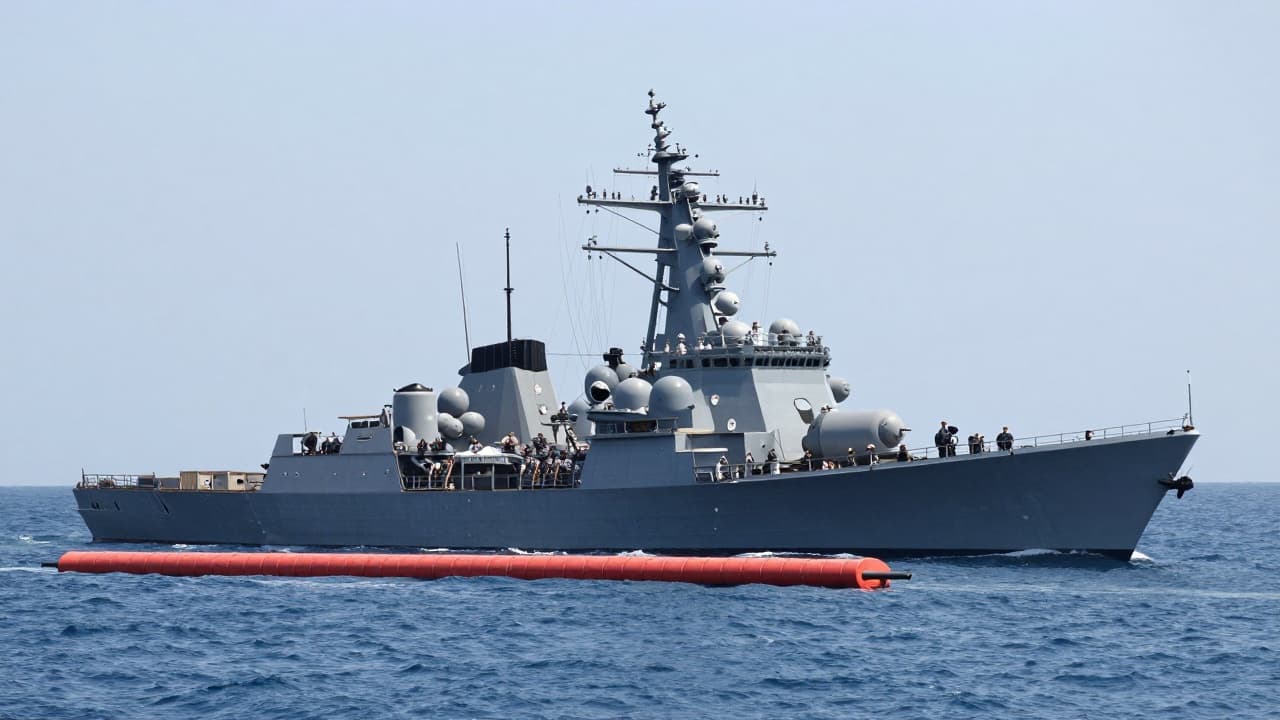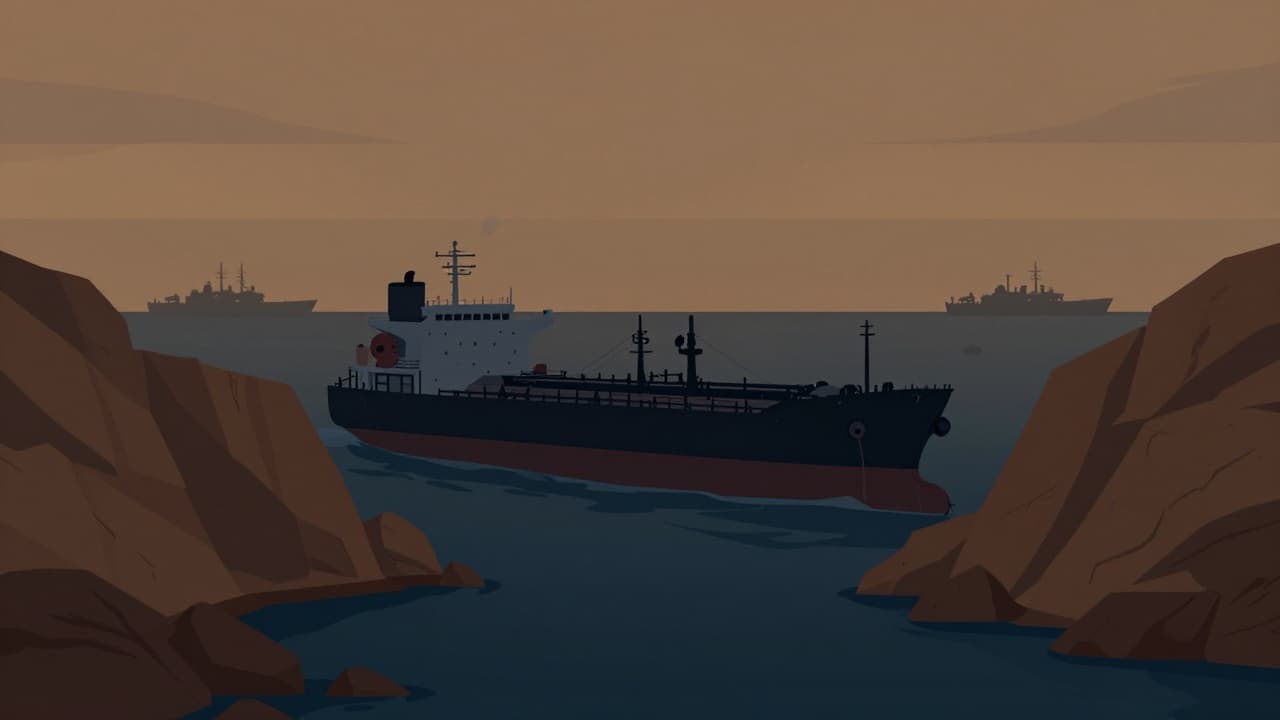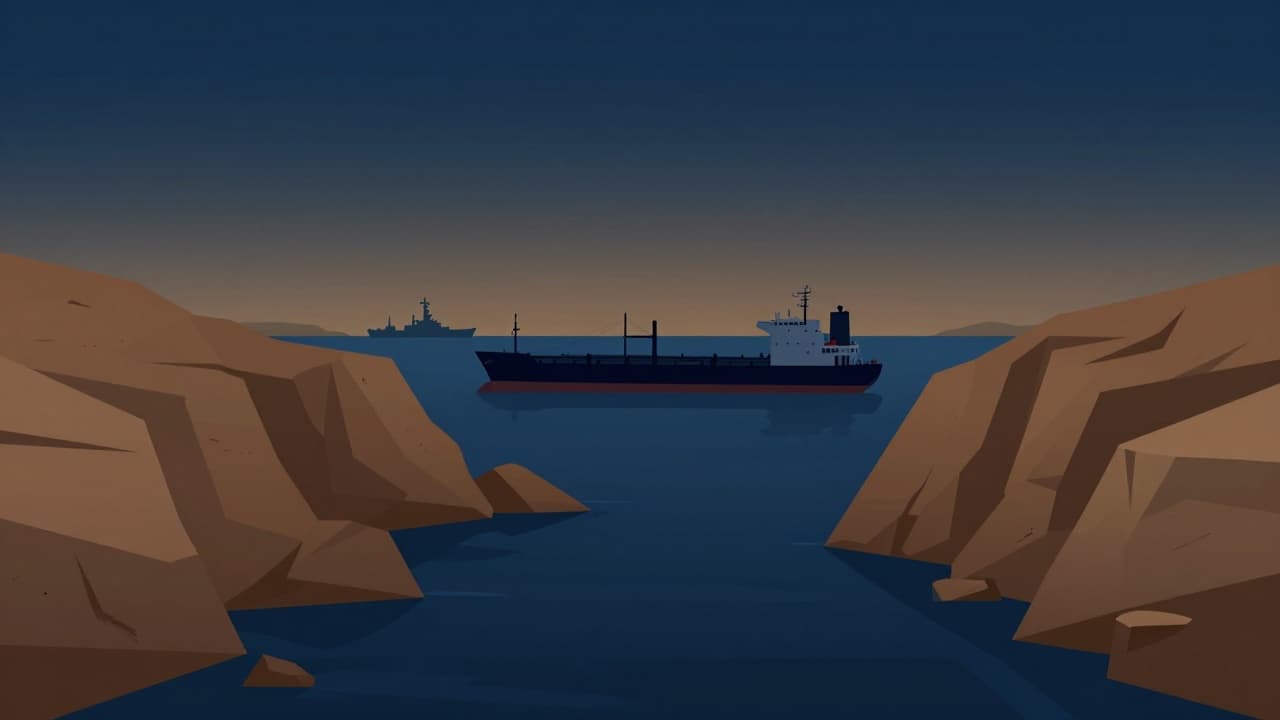
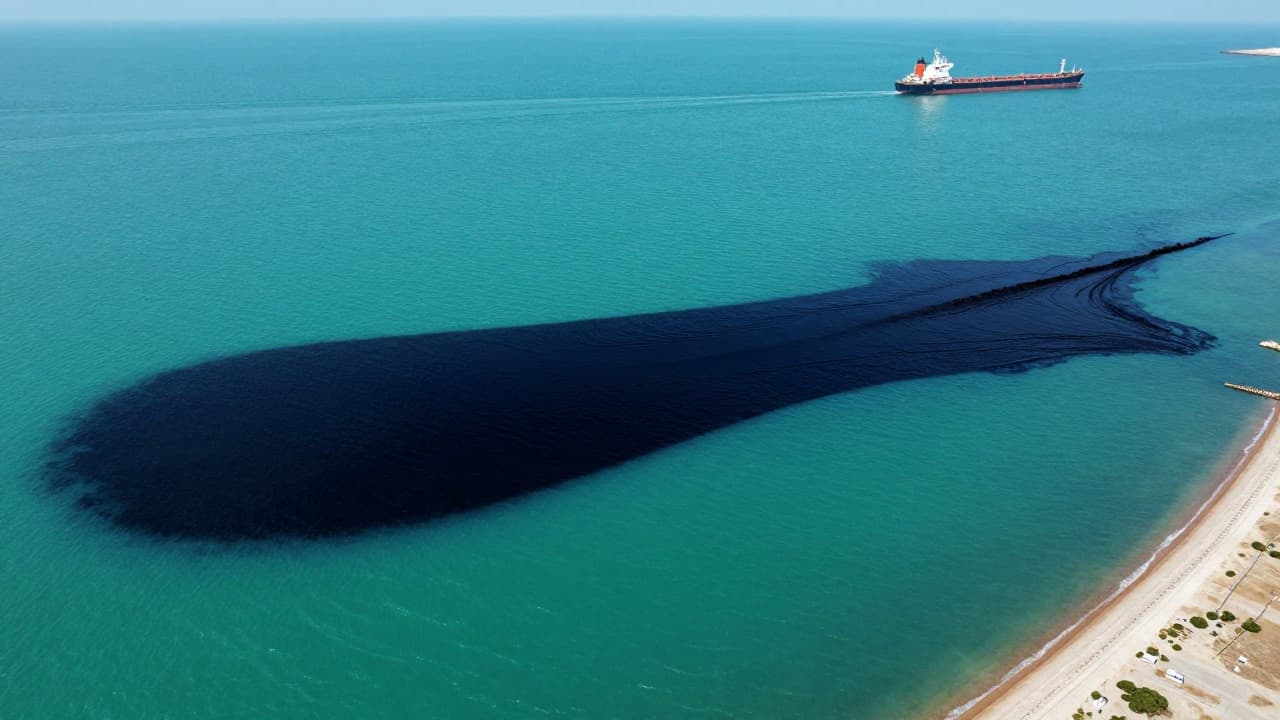
Since the start of the US war against Iran in February, hundreds of oil spills have been recorded, with large dark patches in the Strait of Hormuz visible even from space. Eight months after the conflict began, one of the world's busiest oil shipping routes has become a battlefield, while pollution has spread across the gulf and contaminated coastlines.
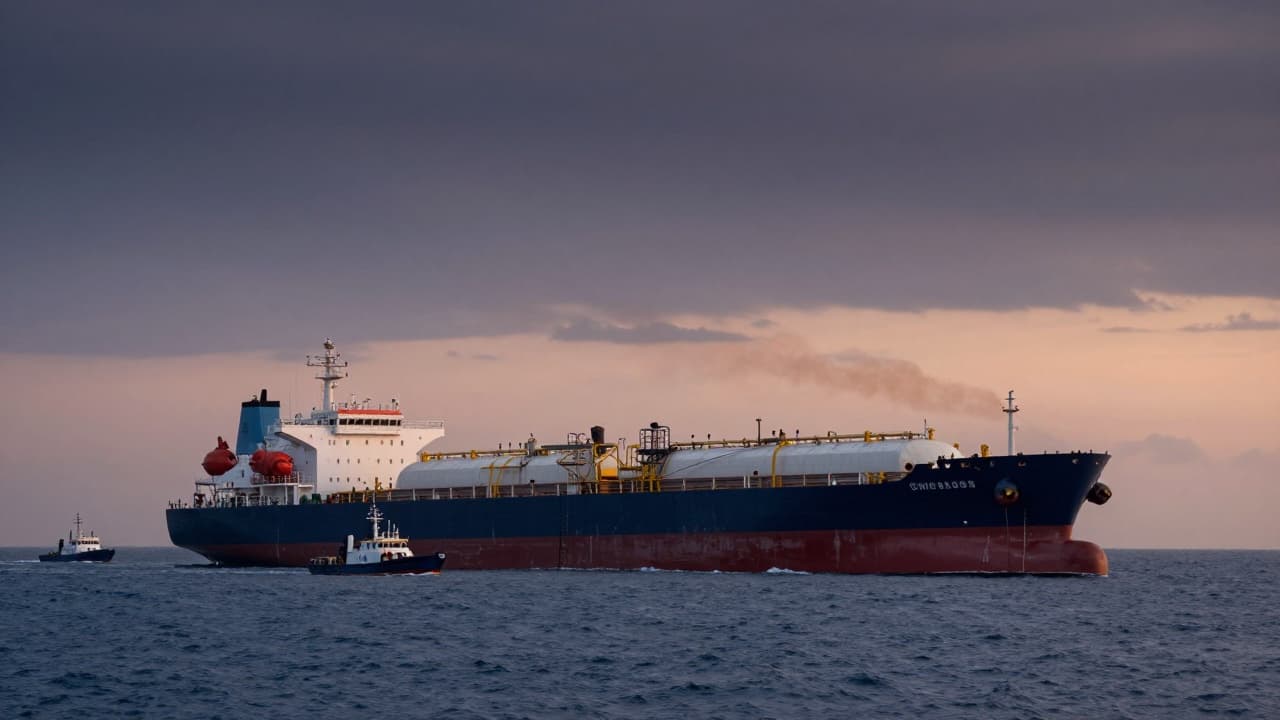
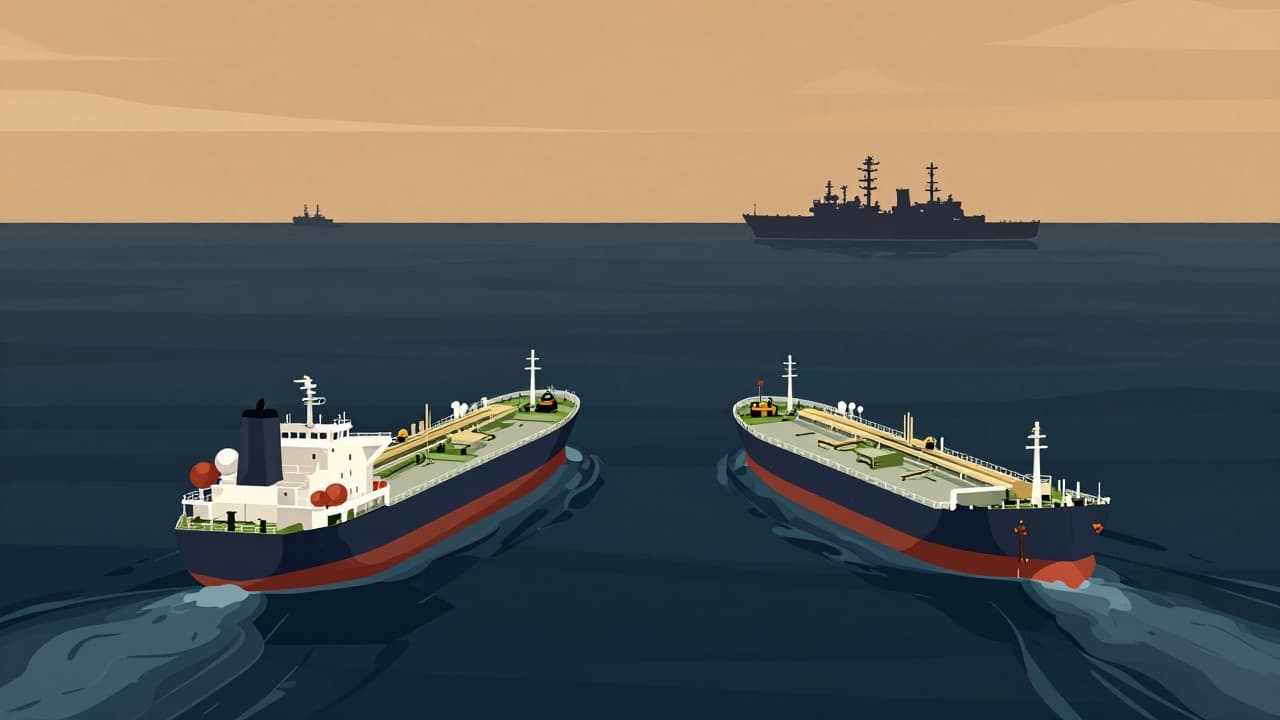
During October, oil tankers were hit by missiles or sea mines in the Strait of Hormuz, with attacks continuing into November. According to the Washington-based Middle East Institute, October was the worst month, with more than 30 confirmed or reported attacks in the strait and surrounding waters. Among the most polluting incidents was the attack on the supertanker Gem No 2 off the coast of the United Arab Emirates, which left a slick more than 21 miles (35 km) long. A satellite image dated 19 October shows a large black surface moving into the clear waters off the coast of Umm Al Quwain.
Greenpeace has identified more than 500 cases of oil spills across the Gulf, the Strait of Hormuz and the Arabian Sea through satellite monitoring since the start of the war on 28 February. Nina Noelle, a Greenpeace expert on ecological disaster response, stated that summing the daily mapped spill trails yields a cumulative total of approximately 20,000 square kilometres, almost the size of Wales. According to Greenpeace, more than 133 attacks on oil tankers have occurred since the start of the conflict. Greenpeace estimates that an attack on a tanker in early June resulted in a slick off the coast of Oman that covered more than 600 square kilometres (230 square miles) at its peak.
The pollution threatens permanent damage to marine ecosystems inhabited by dolphins, sea turtles and countless fish species. The Strait of Hormuz is the only maritime passage between the Gulf and the Arabian Sea, and is home to coral reefs, mangrove forests and seagrass meadows, while also serving as a migration route for marine mammals. Oil can coat bird feathers, making it difficult for them to float and find food, while it can cover mangrove roots, preventing trees from absorbing oxygen and potentially killing them.
Bernhard Riegl, a marine biologist at Nova Southeastern University in Florida who has studied the Gulf for more than 30 years, warned that the war could cause permanent damage to the enclosed waters of the Gulf. He highlighted that the Gulf is shallow and that in summer, atmospheric heat is quickly transferred to ocean heat, which kills corals, algae and fish. He added that there is no cold, deep water that could mix to mitigate this heat, concluding that the potential for additional damage is significant and that there is no 'clean war'.
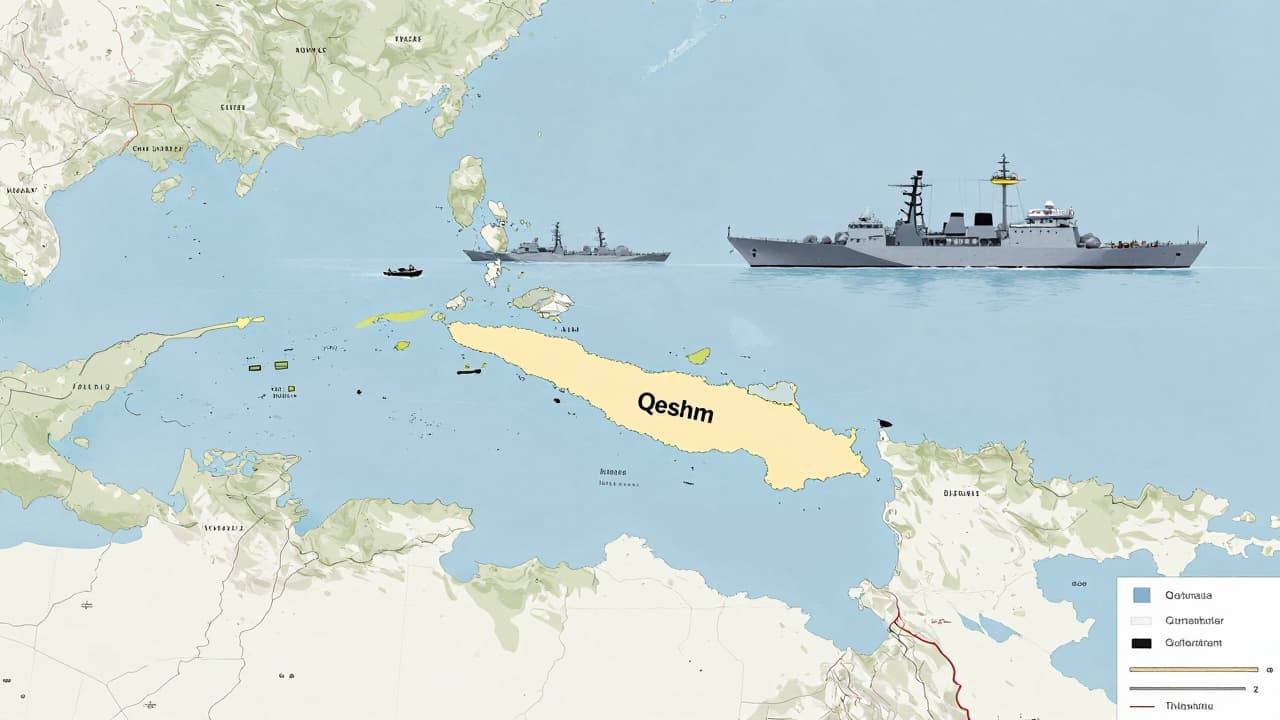
The naval blockade of the straits has made documenting pollution on the ground almost impossible. Wim Zwijnenburg, an environmental researcher at the Dutch peace organisation Pax, stated that two Iranian vessels hit in March continued to leak oil for months. The attack on the Liberian-flagged Minoan Pioneer on 3 August was also linked to a large slick. In March, a slick from the Shahid Bagheri was discovered near the Hara mangroves; in April, pollution threatened the protected island of Shidvar, home to coral reefs, seabirds and turtles; and in August, oil was recorded washing ashore on Qeshm Island, near important fishing grounds and turtle nesting sites. Satellite images also show slicks near the Musandam National Park in Oman, home to coral reefs and seabird breeding grounds, and the Minab River delta in Iran, with protected muddy surfaces and mangrove forests.
Environmental organisations continue to analyse satellite images but warn that the full extent of the damage cannot be determined without field research, which remains extremely difficult. Some researchers and ecologists contacted for comment in Iran and Gulf states said they had been instructed not to give statements.