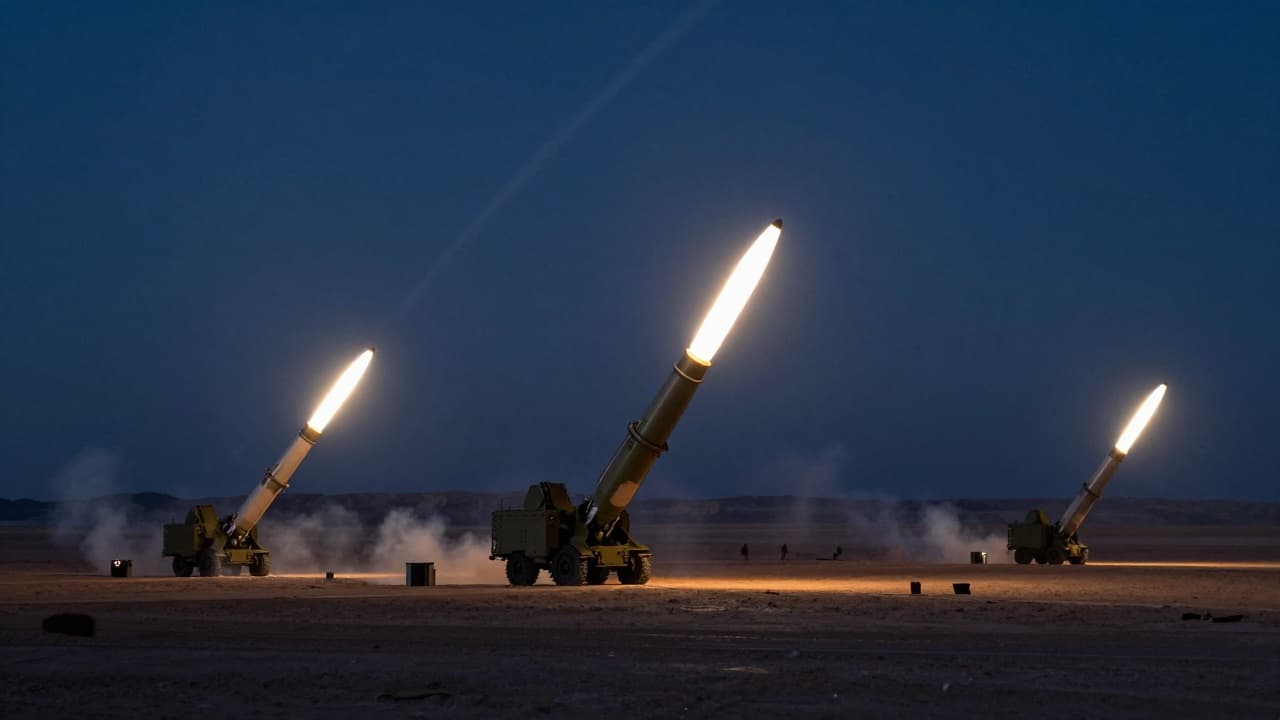
Groups loyal to Iran are once again bolstering their influence in the Middle East, three years after a period of significant decline. Tehran has decided to re-engage in this strategy, which has long served as a key means of deterring direct military attacks on the Islamic Republic. The aim is to consolidate Tehran’s position in its long-standing conflict with the United States and Israel.
The axis of resistance, an alliance of regional militias supported by the Islamic Republic, has functioned for over two decades. Its primary role has been to ensure Iran’s security against direct attacks, while its affiliated groups expanded Iranian influence across their territories. However, following the Israeli military response to the Hamas attack in 2023, and subsequent regional developments, the axis of resistance has suffered significant weakening.
The temporary weakening of these proxy forces was exploited by the US and Israel to launch attacks on Iran. In response to this threat, Tehran has chosen to revitalise its doctrine. Iranian leaders are implementing the strategy of exporting the values of the 1979 revolution, actively deployed in neighbouring countries and territories.
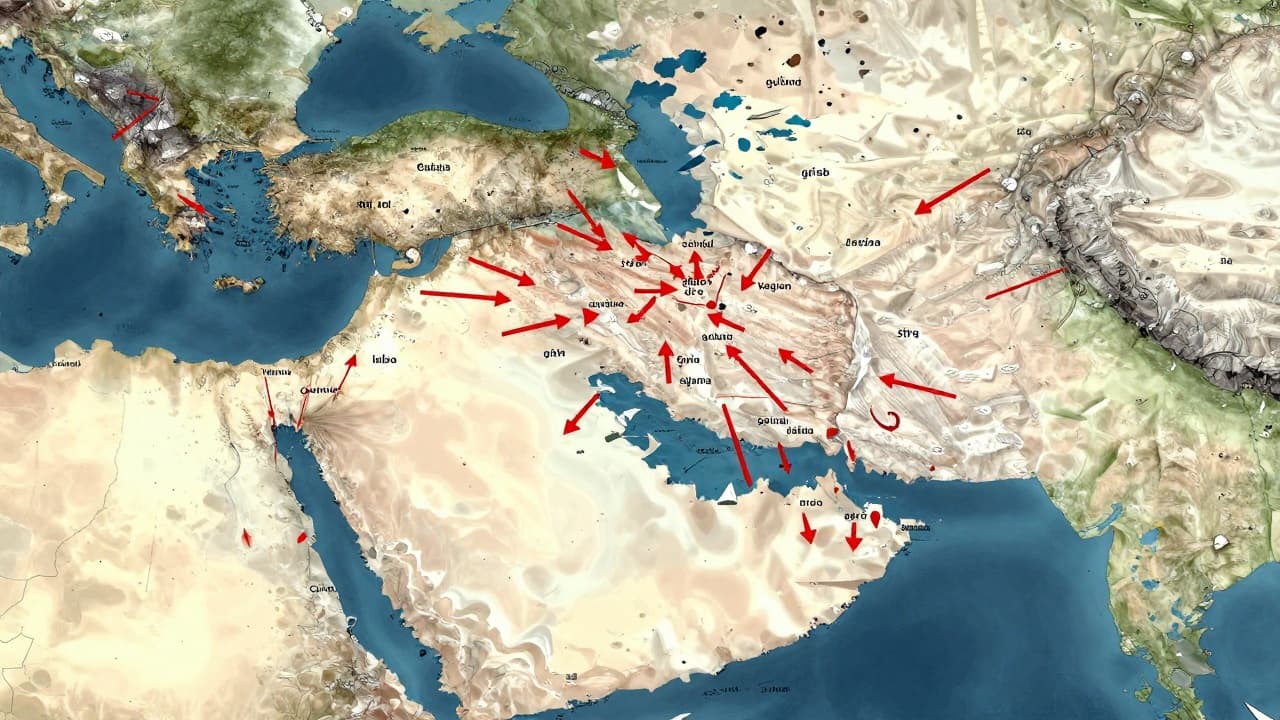
The main focal points of this renewed influence include Lebanon, Yemen, Iraq, Syria, and the Gaza Strip. Through these regions, Iran seeks to re-establish a control mechanism that would prevent future direct interventions. Armed groups loyal to Tehran are now opening new fronts, seeking to make up for lost ground and re-establish deterrence.
The context of the revival is further complicated by the ongoing campaign of assassinations of Hamas leaders, initiated by Israel following the 2023 attacks. Despite this, Iran is seeking to stabilise its perimeter by strengthening these proxy forces. The aim is to create sufficient pressure on Western and Israeli interests to prevent new escalations that could threaten the security of Iran’s state leadership.