The Jerusalem court has freed 36-year-old man, Yon Shreiber, based on an assessment of his mental health. The attacker, who belongs to the Jewish religious community, was in a state of psychosis at the time of the act, which affected his ability to be held responsible for the committed act. Although sentenced to stay in a psychiatric hospital for six years, his legal capacity remains in question, which has raised complex legal and ethical implications in the Israeli legal system.
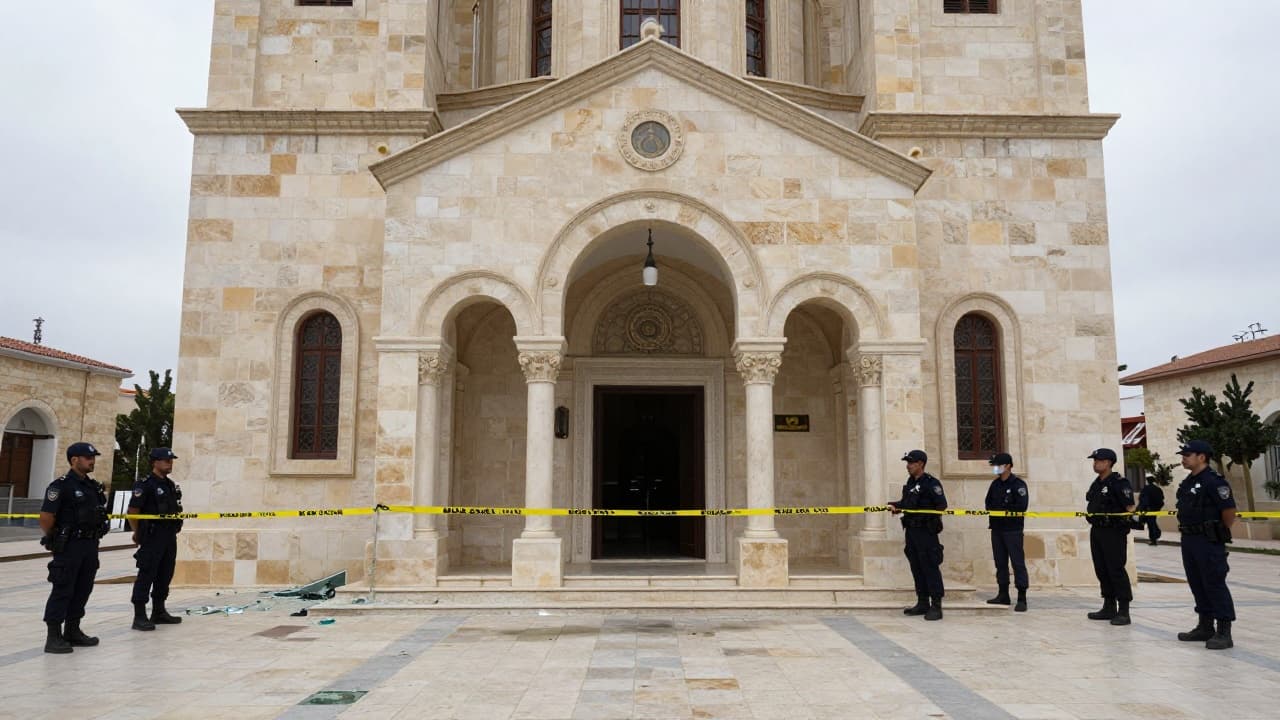
The incident occurred in the old city, where the attacker attacked Christian believers, causing injury to the face and blows to the head. The attack was condemned by Israeli authorities, and an international reaction followed. The French consulate in Jerusalem, as well as other international institutions, condemned the attack, stressing the importance of respecting religious rights and freedoms.
This incident is not isolated. In previous years, similar incidents have occurred in Jerusalem, where religiously oriented Jews have spat and been aggressive towards those wearing Christian clothing. Church institutions have accused the Israeli authorities of attempting to change the status quo regarding church properties, which has further exacerbated tensions.
According to a report by the Ross Centre in 2025, the rise in open hostility towards Christianity in Israel is attributed to the deepening of polarization and the increasing influence of ultra-nationalist trends. These trends, which manifest themselves through aggressive statements and actions, contribute to the growth of tensions and uncertainty in the region, which is worrying for all religious communities.
Church institutions, including church leaders, have expressed concern about the growing tension and uncertainty, stressing the need for dialogue and understanding. The international community, including the European Union, has called for peace and understanding, stressing the importance of respecting the religious rights and freedoms of all citizens.
This incident, like the previous one, highlights the need for greater understanding and respect among different religious communities. Although incidents of this kind have occurred in the past, each new incident further exacerbates tensions and creates uncertainty, requiring a continuous effort from all stakeholders to maintain peace and stability in the region.