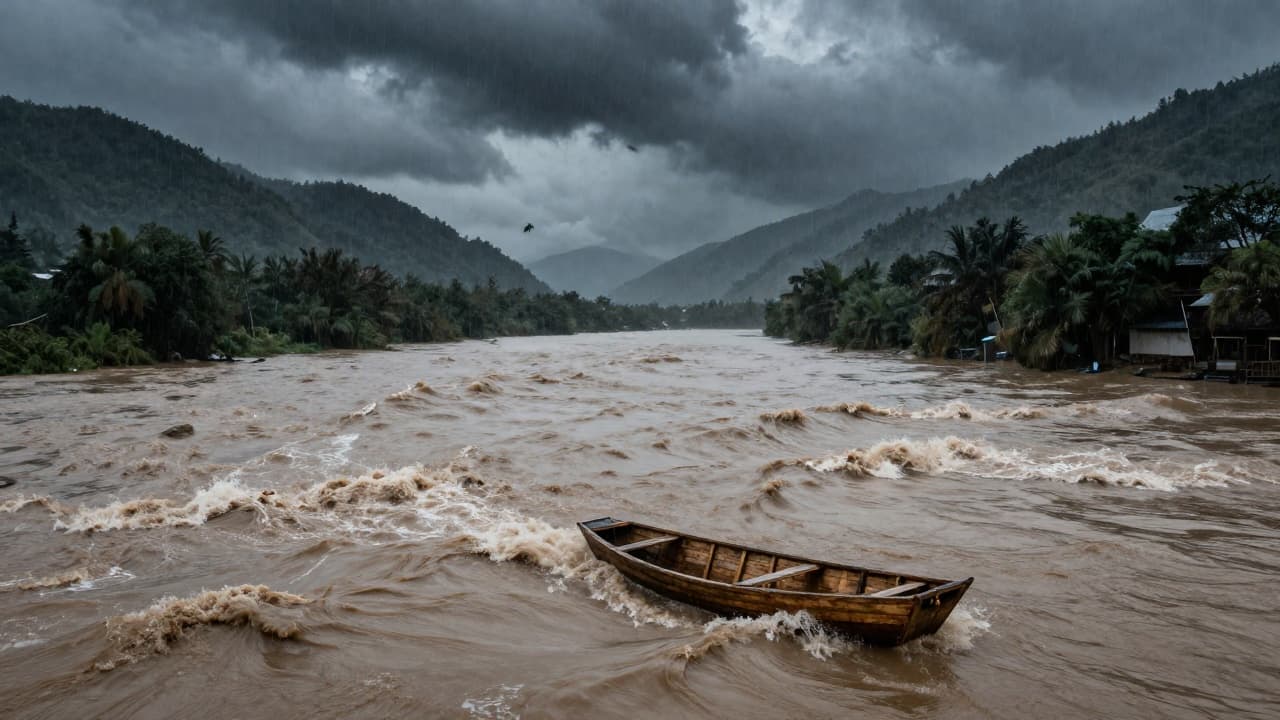
Nepali and Chinese authorities have confirmed that the number of victims of floods caused by heavy rain has reached 810. The natural disaster has affected wide areas, causing significant destruction and a humanitarian crisis in the region. Although the exact number of casualties remains subject to estimates, it is clear that this is one of the worst natural disasters in the region in recent history.
Given the scale of the devastated areas, access to the affected areas remains extremely difficult. Australian personnel currently have no access to these areas, which hinders the immediate assessment of needs and coordination of aid. Nevertheless, the international community remains determined to ensure that aid reaches those most affected.
According to the latest information, eight power plants have been affected by the floods, further complicating the recovery of infrastructure and the supply of electricity in the affected areas. In addition to energy facilities, the floods have caused significant damage to other critical infrastructure, further straining the efforts of local authorities to provide basic living conditions.
Despite the challenges, the humanitarian effort does not stop. Australia, through its air bridge, is preparing to send aid, which represents a key step in providing immediate assistance. This humanitarian operation, planned for the coming days, will include supplies from Queensland, aiming to alleviate the current crisis and provide relief to those affected.