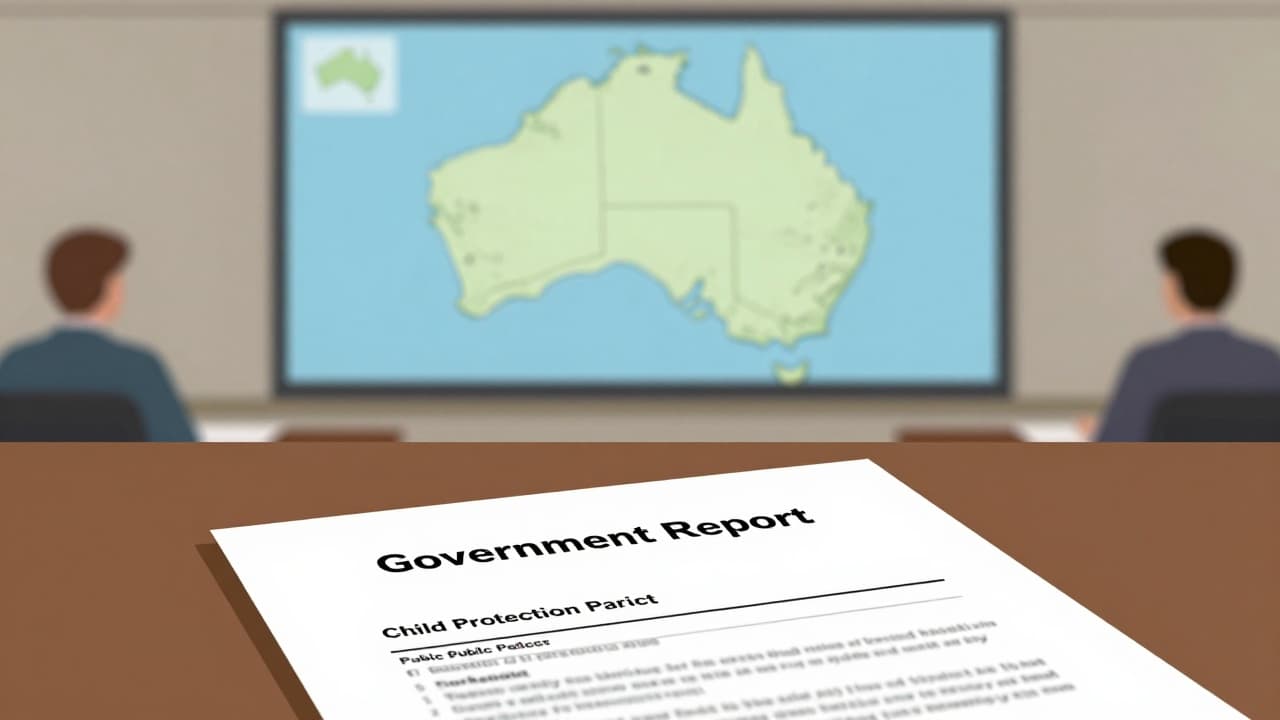
A group of more than 270 leading scientists from 84 research institutes has sent an open letter to Australian Environment Minister Murray Watt, expressing concern about the current state of marine ecosystem protection. This step was taken at a critical moment, immediately before the start of the ten-year review of the marine parks law, which opens the door to changes in the current protection system.
Researchers warn that the current distribution of protected areas is unbalanced. Although around 25 per cent of Australian waters are under a high level of protection, these protected areas, known as no-take zones, are concentrated primarily in remote parts of the ocean. In comparison, waters surrounding the main Australian landmass remain with minimal protection, leading to accusations that the government is creating an inequitable distribution of protected areas.
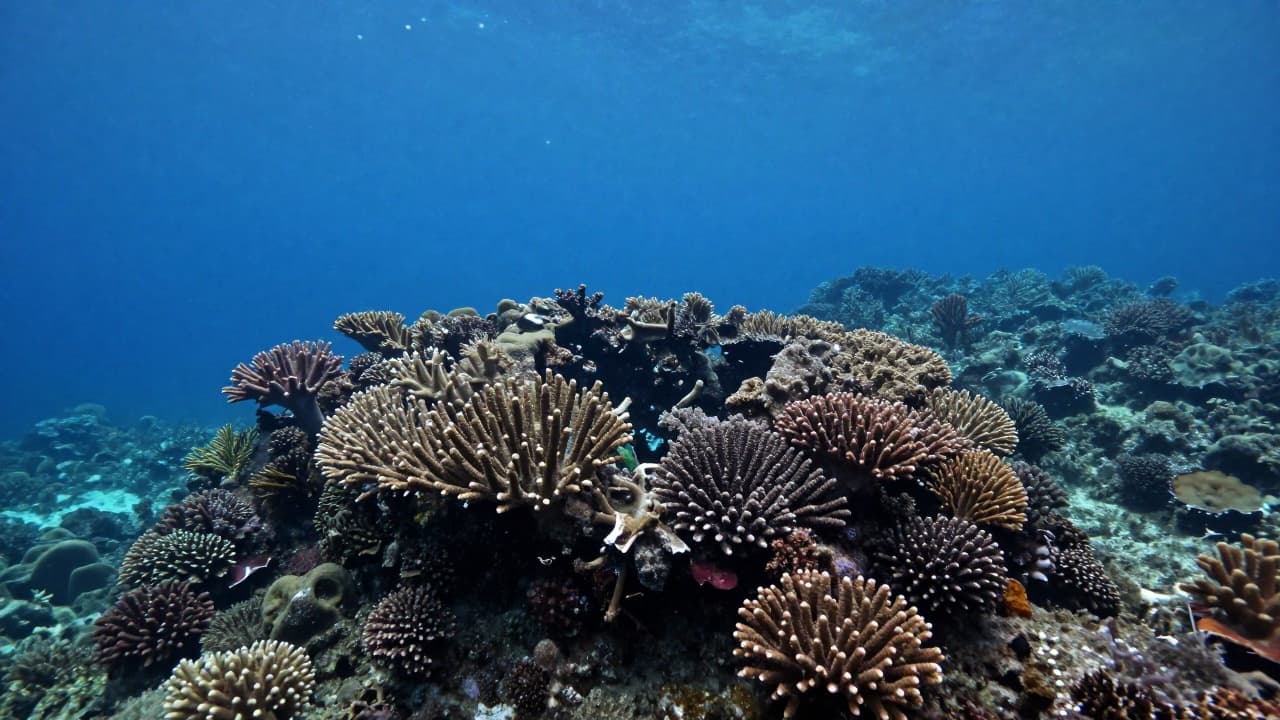
Given that the ocean spaces of Australia and its territories contain tropical reefs, ice shelves on the Antarctic coast, and at least 33,000 marine species, the pressure on these ecosystems is increasing. They are affected by climate change, ocean warming, as well as intensive fishing and industrial mining, which further threatens the biodiversity of the region.
In response to these challenges, scientists are calling for the introduction of stricter measures, including a ban on industrial fishing, longline fishing, and the extraction of mineral resources within all marine parks. They believe that every part of the sea should have at least 30 per cent high-level protection to ensure its sustainability and resilience to climate change.
Despite current criticisms, the Australian government states that it is on track to achieve the goal of protecting 30 per cent of the ocean by 2030. The proposed expansion of marine parks around Lord Howe Island and Norfolk Island, according to estimates, could achieve this 30 per cent goal even earlier. This review is described as an exceptional opportunity that, with responsible implementation, could benefit fishermen, boost tourism, and simultaneously ensure better environmental protection.