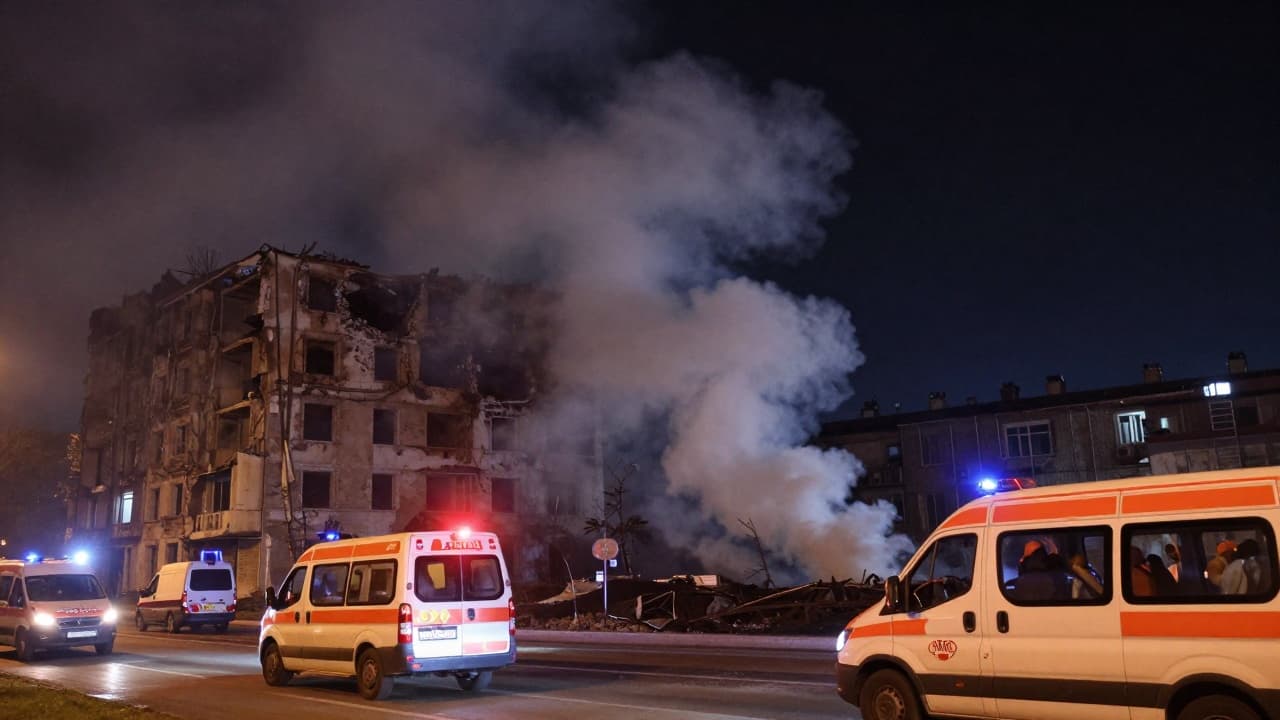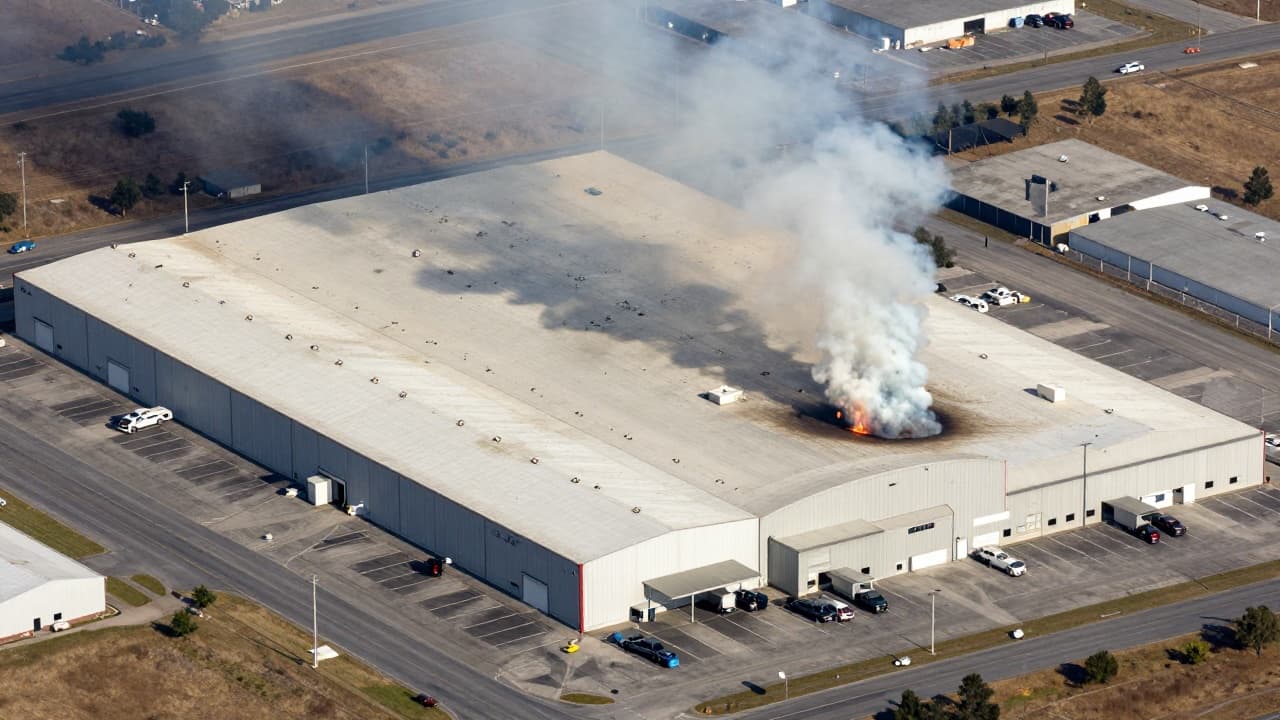
Ukraine has launched a series of almost daily drone attacks on the warehouses of the Russian retail giant Wildberries on 18 July. The strikes hit 20 locations, causing large fires that led to the complete destruction of goods stock. A Reuters analysis of satellite images confirms that 1.18 million square metres of warehouse space have been damaged or destroyed, which is more than a fifth of the company’s total capacity.
The consequences of this logistics blockade have been felt by thousands of businesses operating via the platform. Vitaly Klimov, owner of one of 98,000 pickup points in Russia and neighbouring countries, describes a drastic drop in business. In just three weeks, his once successful business has turned unprofitable, with sales dropping by around 50 per cent in the last month. Klimov has been operating at a loss for the past month, and his deliveries have been almost halted, leading him to attempt to sell his business.
The severely disrupted logistics network of Wildberries is affecting franchise partners and tens of thousands of small producers selling goods online. The strikes have triggered a chain reaction that has paralyse supply, leaving small business owners without the ability to deliver products to customers. Klimov is one of many examples of how war damage is directly affecting the civilian economy and small business owners.
Ukraine claims it is targeting warehouses to increase the cost of the war for Moscow, accusing Wildberries of indirectly supporting the Russian war effort by selling military equipment such as night vision devices, ammunition bags and helmets. The Kremlin and Wildberries have rejected these allegations. At least 13 people have died in the strikes on the warehouses, while Ukraine denies targeting civilian targets.