Airbnb is changing the house rules that hosts can impose on guests. The new rules apply worldwide, including in Croatia, and cover all bookings made 20 November 2026 or later. From that date, the platform will eliminate housework tasks such as washing dishes and stripping beds, as well as penalties that hosts previously charged guests themselves.
The booking date is decisive, not the stay date. Existing bookings remain under the old rules. For example, if a guest booked an apartment in Split for next summer on 15 November, the old rules apply. If the same apartment for the same dates is booked on 21 November, the new rules apply. Consequently, hosts will apply two sets of rules simultaneously in the coming months, depending on when the booking was made.
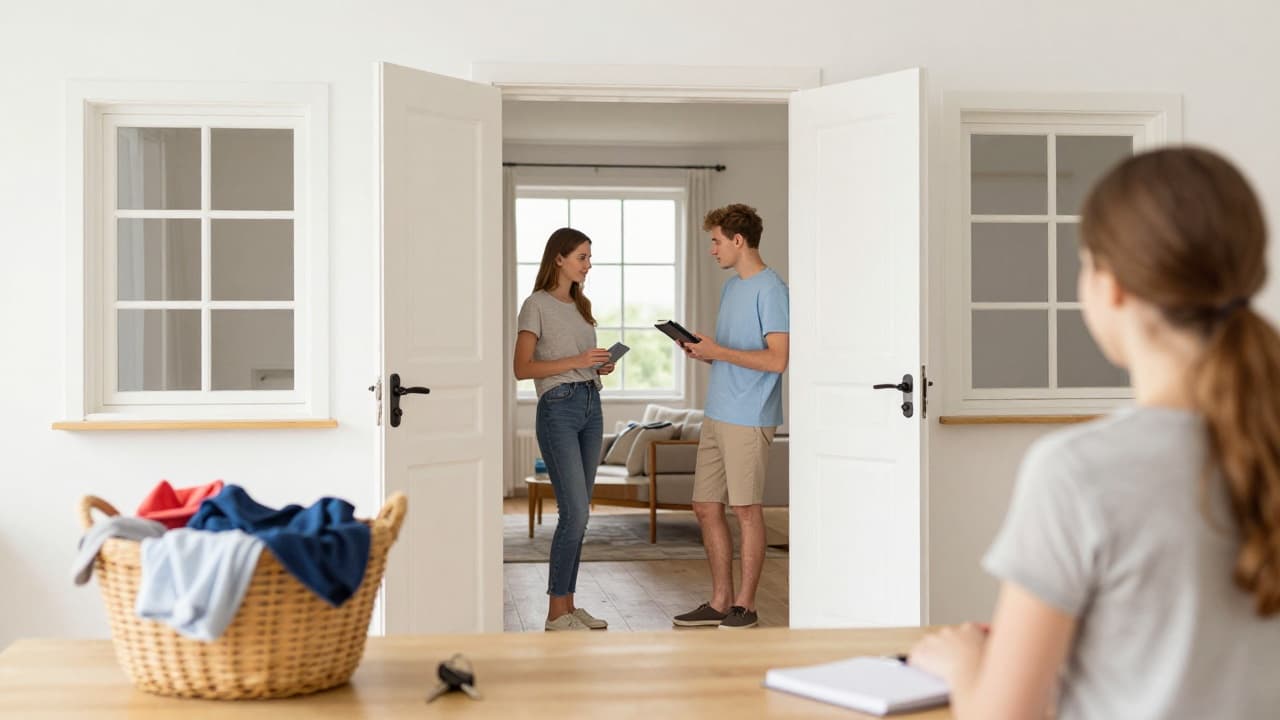
Under the new reasonable rules and requirements policy, hosts can generally no longer request tasks that, according to Airbnb, require significant effort or time or would otherwise be performed by a cleaner. Airbnb cites three examples: stripping beds, taking rubbish out of the property, and washing and putting away dishes. The list of prohibited requests also includes starting a washing machine for laundry before departure. A message such as “Please wash and put away the dishes, strip the beds and take the rubbish to the bin at the end of the street” is no longer permitted, although exceptions are possible depending on the property and local conditions.
Hosts will choose from seven standard rules: the maximum number of guests allowed in the accommodation, quiet hours, a ban on parties and events, pet policy, smoking, commercial photography, and locking up on departure. Thus, a host can specify that a maximum of four guests are allowed in the apartment, that quiet hours apply from 22:00 to 08:00, that pets are prohibited, and that doors must be locked on departure with the key left in a safe.
All rules and requirements must be listed in the designated section of the listing before booking. Rules cannot be added later via messages, signs in the apartment, or verbally. If the listing does not state that smoking is not allowed on the terrace, the host will not be able to enforce this with a laminated sign on the door or a message the day before arrival. Rules will be displayed more prominently to guests: on the listing page, in the trip card, and in reminders before the stay. If a requirement does not comply with the rules, the system will flag it when the listing is being set up, and the host can appeal.
Hosts can no longer charge guests for damage caused in the accommodation, nor penalties for non-compliance with rules. For property damage, hosts are directed to Airbnb’s protection programme, AirCover. Another policy taking effect on the same day restricts contracts and data collection. A host cannot request an email address, phone number, or a copy of an ID document without a legal basis or building rule, unless required by law.
A special contract is permitted in only four cases: when required by law or community rules, for additional services such as boat or bicycle rental, for stays of 28 nights or longer, and for listings within Airbnb Luxe. It is prohibited to condition entry or the use of key amenities on registration in a third-party app or website. A host cannot send the entrance door code or Wi-Fi password only after the guest registers in an external app. Digital check-in, security deposits charged through Airbnb, and additional services paid separately remain permitted.
Some hosts have reacted angrily, with some threatening a boycott and higher cleaning fees. If guests no longer have to wash dishes or strip beds, the work shifts to the cleaning service, and the cost may end up in the price of the stay. In our country, a lot of apartments do not charge for cleaning, so things do not change much on that front. Analysts assess that the change aims to reduce the difference in experience between Airbnb and hotels, where guests do not perform any tasks upon departure.
In Croatia, Airbnb is just one of the platforms for advertising accommodation, with less use of others’ property compared to one’s own. Airbnb was founded in the US as a platform where people rent out part of their own home to guests, while in the rest of the world it is primarily a platform for professional rental. With the new rules, Airbnb is moving closer to the hotel model.