At the start of 2027, Croatia enters the final phase of one of the largest and most technologically demanding business digitalisation projects in its history. The obligation to issue e-invoices extends to business entities outside the VAT system, effectively rounding out the coverage of the Croatian economy under Fiscalisation 2.0. What began over a decade ago as an administrative novelty in public procurement is now becoming the fundamental infrastructure of everyday business operations.
The legal obligation comes into force in just a few weeks. From 1 January 2026, taxpayers registered in the VAT payers register exchange e-invoices for domestic transactions, while taxpayers outside the VAT system are included as recipients of e-invoices in 2026. From 1 January 2027, taxpayers outside the VAT system are obliged to issue e-invoices. The Fiscalisation Act, published in Official Gazette No. 89/25, regulates in one place the fiscalisation of invoices in final consumption (Fiscalisation 1.0) and the issuance and fiscalisation of e-invoices in the business of taxpayers (Fiscalisation 2.0).
The Tax Administration (Porezna uprava) has established a system for the exchange, fiscalisation and data linkage of e-invoices for more than 300,000 business entities. This is a system that simultaneously links taxpayers, accountants, accounting and ERP programmes, information intermediaries, tax advisers, access points for e-invoice exchange, metadata services and the information system of the Ministry of Finance and the Tax Administration. Fiscalisation 1.0 is based on the delivery of a prescribed set of invoice data to the Tax Administration, after which a unique invoice identifier is returned to the issuer, while Fiscalisation 2.0 covers a significantly broader business and technological process.
The process includes a structured e-invoice, its exchange between business entities, the fiscalisation of data from both the issuer’s and the recipient’s side, the comparison of submitted data, and subsequent e-Reporting on payment, rejection and certain deliveries for which an e-invoice could not be issued. The exchange of the e-invoice itself and its fiscalisation are linked but separate processes. Once the e-invoice is created and successfully delivered to the recipient’s access point, the issuer’s access point sends a fiscalisation message to the Fiscalisation System, and the recipient’s side fiscalises the received e-invoice. The Tax Administration receives data from both sides of the transaction and can carry out cross-checking.
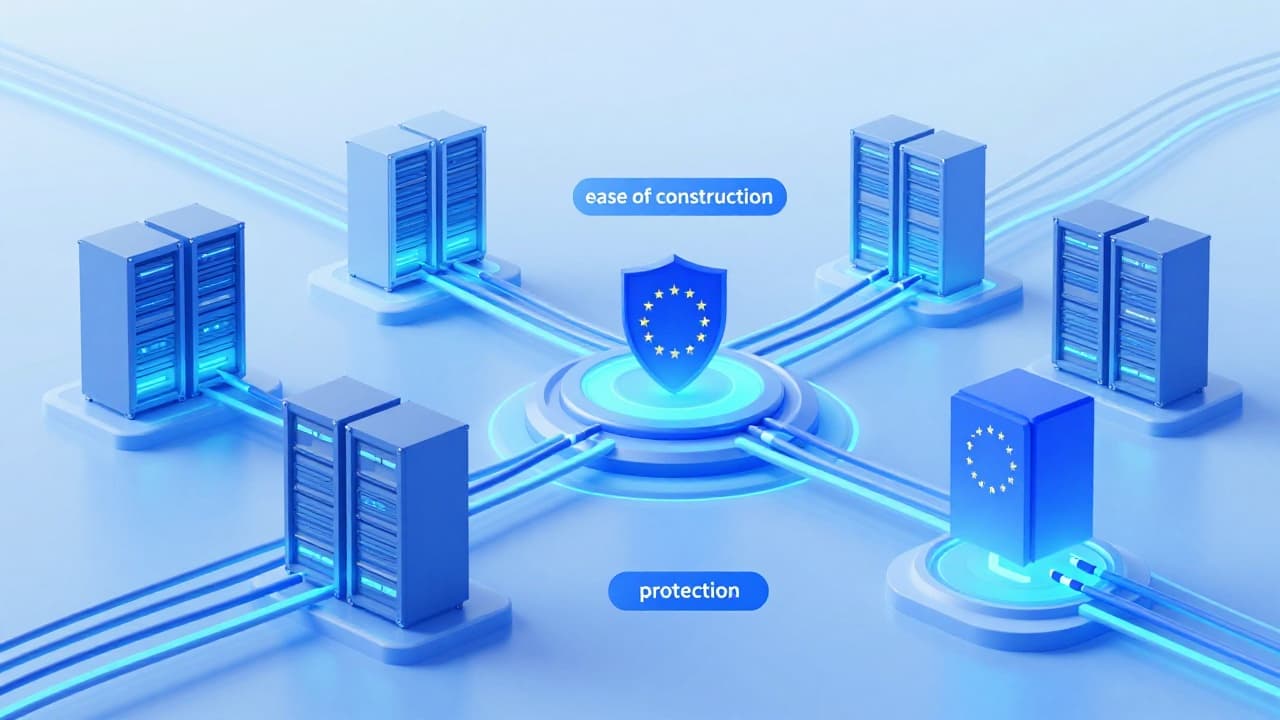
Instead of a single state platform, a decentralised “four corners” model is applied in Fiscalisation 2.0, in which the exchange involves the e-invoice issuer, its access point, the recipient’s access point and the e-invoice recipient. An access point can be an information intermediary providing services on the market or the taxpayer itself, which has developed its own technical solution. Entrepreneurs are allowed to choose the technology and service provider that suits their size, existing accounting or ERP system, volume of documents and required level of automation. This model enables market competition and the connection of different systems, but requires the uniform application of business rules, technical specifications and data structures.
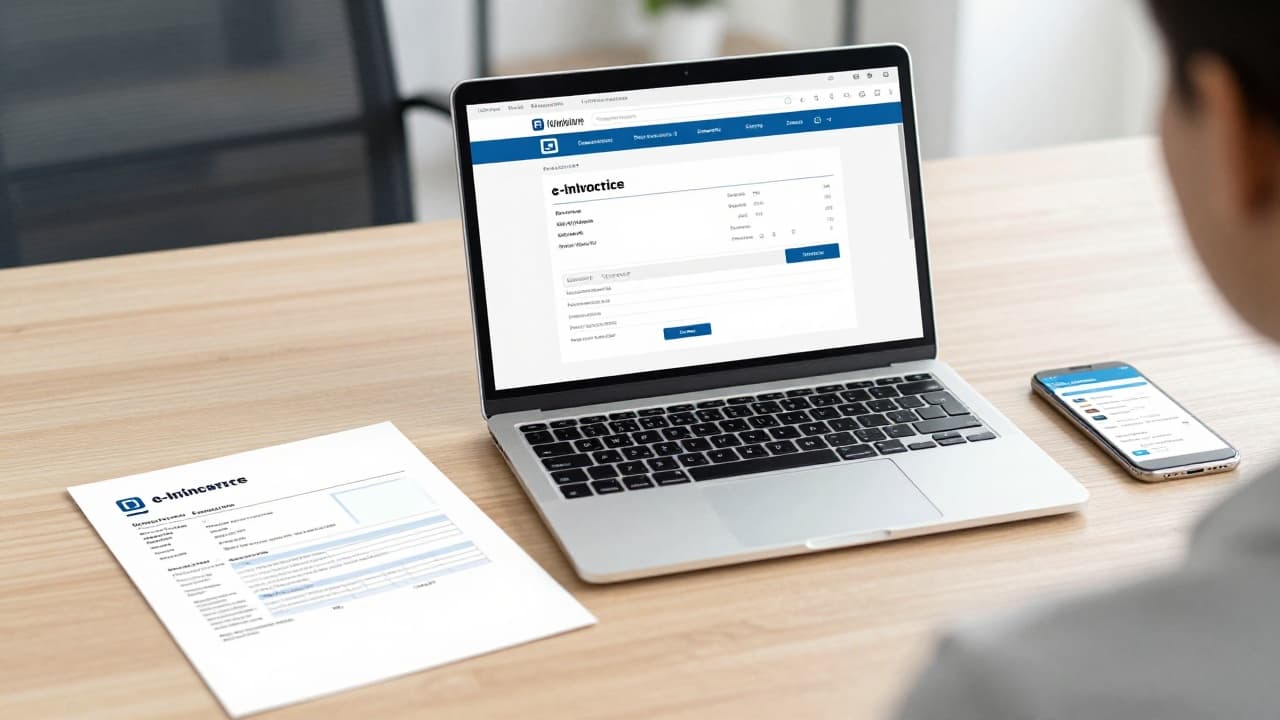
The structure of the e-invoice is a basic prerequisite for the data from the e-invoice to be automatically recorded, checked and linked with accounting processes. An e-invoice is not a PDF sent by email, but an invoice issued, sent and received in a structured electronic form that enables automatic processing without re-entering data. In the Croatian system, the e-invoice must comply with the Fiscalisation Act, the European standard for e-invoicing, the Specification for the Basic Use of e-invoicing with extensions, the prescribed XML structure and the UBL 2.1 schema. The Tax Administration has published an official validator to check the compliance of e-invoices with the aforementioned technical and business rules. In such a system, the validator is not an auxiliary tool or a recommendation, but a common point of verification ensuring that different programmes, intermediaries and access points apply the rules equally. If each information intermediary used its own validation criteria, an invoice acceptable in one system could be rejected in another, thereby losing the interoperability of the entire network.
Fiscalisation does not replace the e-invoice, nor is the e-invoice delivered to the Fiscalisation System as a document; rather, the subject of fiscalisation is the prescribed set of data from the e-invoice, which is delivered to the Fiscalisation System through a fiscalisation message. The original e-invoice is exchanged between access points and remains the fundamental authentic document in business and accounting proceedings.
In the implementation of Fiscalisation 2.0, information intermediaries play one of the most important roles. Information intermediaries must provide services for issuing and receiving e-invoices and accompanying documents, as well as the fiscalisation of e-invoices, while they may also provide e-Reporting and metadata services. An information intermediary must meet the prescribed conditions, submit the prescribed documentation, including possession of an ISO 27001 certificate, pass testing and obtain a conformity certificate to operate as an access point on behalf of third parties. Information intermediaries must apply official schemas, technical specifications and the validator, use the Metadata Services Directory in the prescribed manner and transmit the e-invoice without altering its structure or content. The public list of information intermediaries contains data on services, software solutions and user support, and currently includes 38 information intermediaries and is continuously being updated.
The taxpayer contracts rights and obligations with the information intermediary, confirms the address for receiving e-invoices in the FiskAplikacija (Fiscalisation Application) and can assign authorisation for fiscalisation. To simplify the management of such authorisations, the Tax Administration in February 20...
Fiscalisation 2.0 is much more than just another regulatory requirement – it changes the way Croatian companies do business with each other. In a 12-page special feature in the December issue of Mreža (Network), the technological background of the Croatian e-invoicing system is analysed, along with the specifics of its decentralised model, data exchange standards and the role of information intermediaries. It provides an overview of the market and a list of authorised information intermediaries with contact details, as well as key questions that every entrepreneur should ask when choosing a provider of these services – from total costs and integration possibilities to cybersecurity and long-term reliability. An expert from the Tax Administration describes the origin, functioning and results so far of the system through which more than 110 million e-invoices have already been fiscalised. It also deals with the free Mikroeračun (Micro-invoice) application, intended for smaller taxpayers, new e-Reporting obligations and possibilities for further automation of accounting and business processes. Practical experiences of service providers are also presented, along with a software architect’s view on the challenges of building, maintaining and protecting the complex infrastructure for e-invoice exchange.