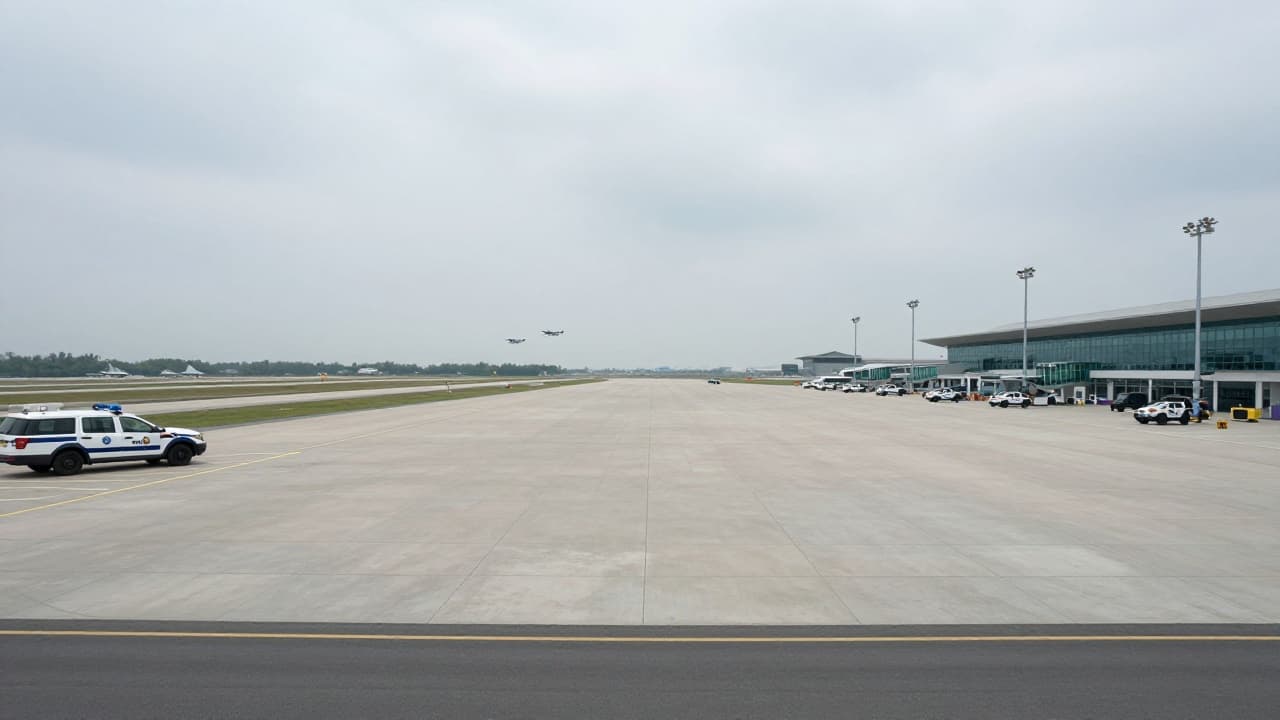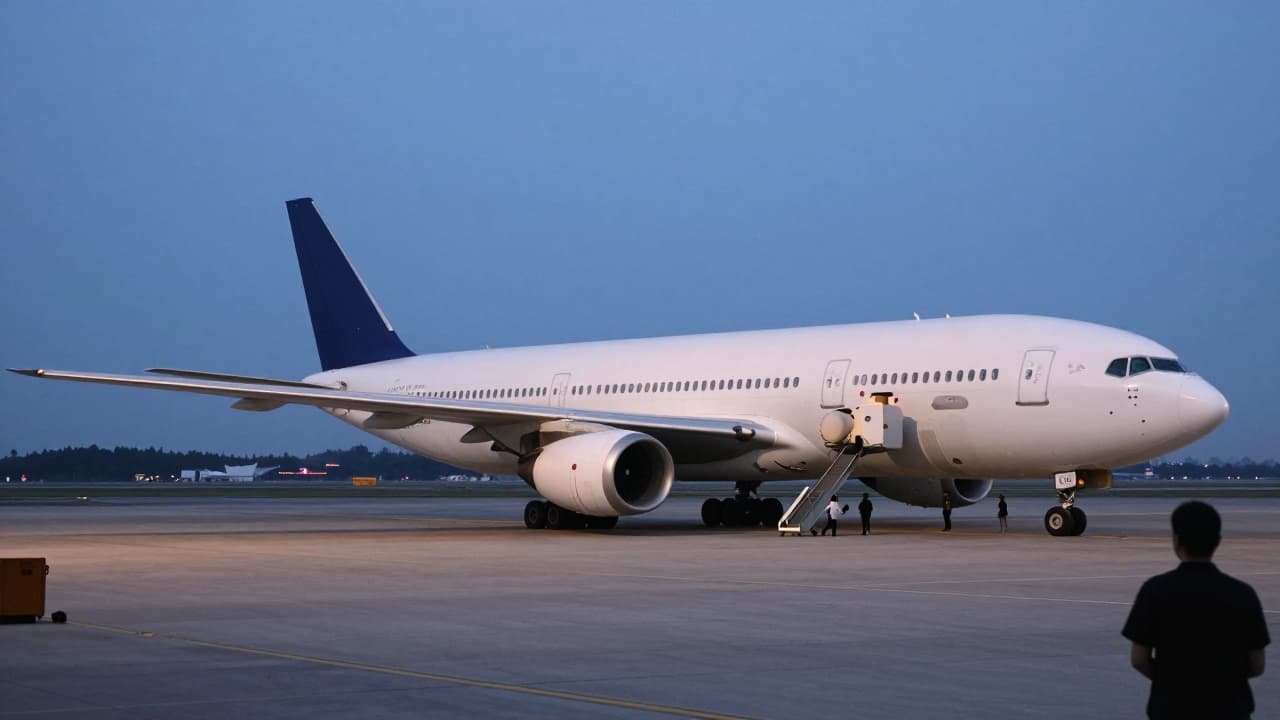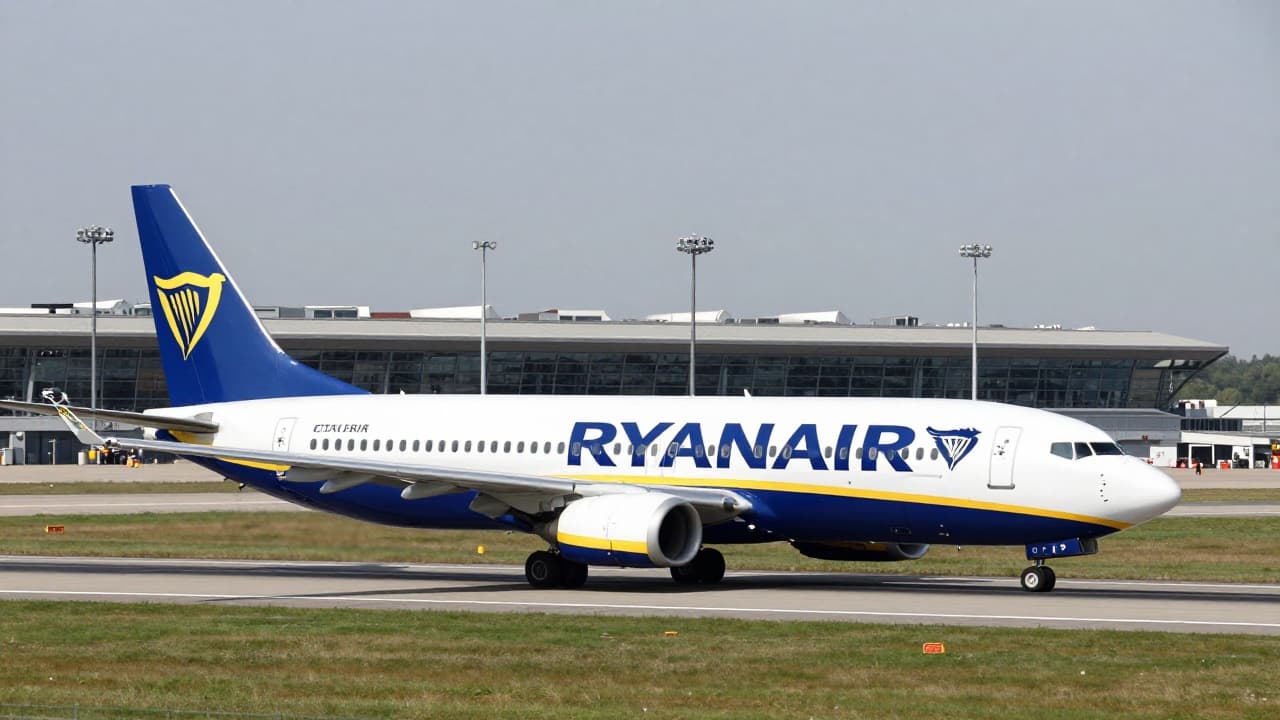
Ryanair is closing its base at Berlin airport from today and drastically reducing the number of flights to the German capital. The airline cites unreasonably high airport fees as the reason, while simultaneously increasing its offer in certain countries, such as Croatia.
The reduction is not limited to Berlin. Ryanair is significantly cutting flight numbers across Germany, and has announced approximately 700,000 fewer seats for the winter schedule than a year earlier, a drop of 10 per cent compared with the 2025/2026 winter. It cites high access costs due to state levies and an "excessively high" air transport tax in Germany. From the summer 2027 schedule, the company will completely cease operations out of Bremen airport, and from April it is cancelling flights covering a total of 500,000 seats.
The Senate of the federal state of Bremen rejected the accusations, explaining that Ryanair had requested near-free use of airport services and infrastructure. The bulk of the winter capacity reduction will be borne by Berlin Brandenburg Airport, which Ryanair described as the "least successful airport in Europe". The company is closing its Berlin base on 24 October, with seven aircraft and their associated crews. These aircraft will be relocated to more competitive airports in other European Union states, where air transport taxes have been abolished or airport fees reduced.
Ryanair will continue to fly to the German capital, but Berlin will lose approximately half of its previous offer, according to the company. Twelve routes will be completely cancelled, including those to Gran Canaria, Palermo and Thessaloniki, while flight numbers will be reduced on certain other destinations. "Berlin is by far the biggest loser," said the company's chief executive Eddie Wilson. According to him, passengers will have significantly fewer flight choices and will have to pay higher airfares.
Unions accused Ryanair of choosing Berlin solely because the staff stationed there had established a works council. The pilots' union Cockpit Association stated: "When a company closes the only unit in Germany where a works council operates, this is about intimidating workers and deliberately weakening union structures." The arrival of Emirates in Berlin is now also being questioned, and business leaders have long complained that Berlin is connected to only six intercontinental routes. The main hubs in Germany remain the airports in Frankfurt and Munich.
A capacity reduction of around five per cent is also expected in Hamburg. On the other hand, Ryanair will increase the number of flights and available seats in Memmingen and Cologne, with Saarbrücken and Friedrichshafen becoming new destinations in the winter schedule. The company managing Berlin airport highlighted that other airlines are expanding their business at that location. Its spokesperson stated: "Six of the 12 routes Ryanair is cancelling have already been taken over by other airlines or are already being maintained by them." Passengers will be able to choose between a greater number of carriers and destinations during the winter than in the previous year, but the capacity Ryanair is cancelling will not be possible to fully replace.
The Berlin airport management states that it shares the view of the entire aviation industry that costs associated with state regulations represent a significant burden on business. It is focusing on reducing costs in areas where it can have a direct impact. Despite inflation and rising operating costs, the management has managed to keep airport fees stable since the opening of Berlin Brandenburg Airport in 2020. The spokesperson emphasised that a new agreement planned to be concluded with airlines would not lead to an increase in airport fees for Ryanair.