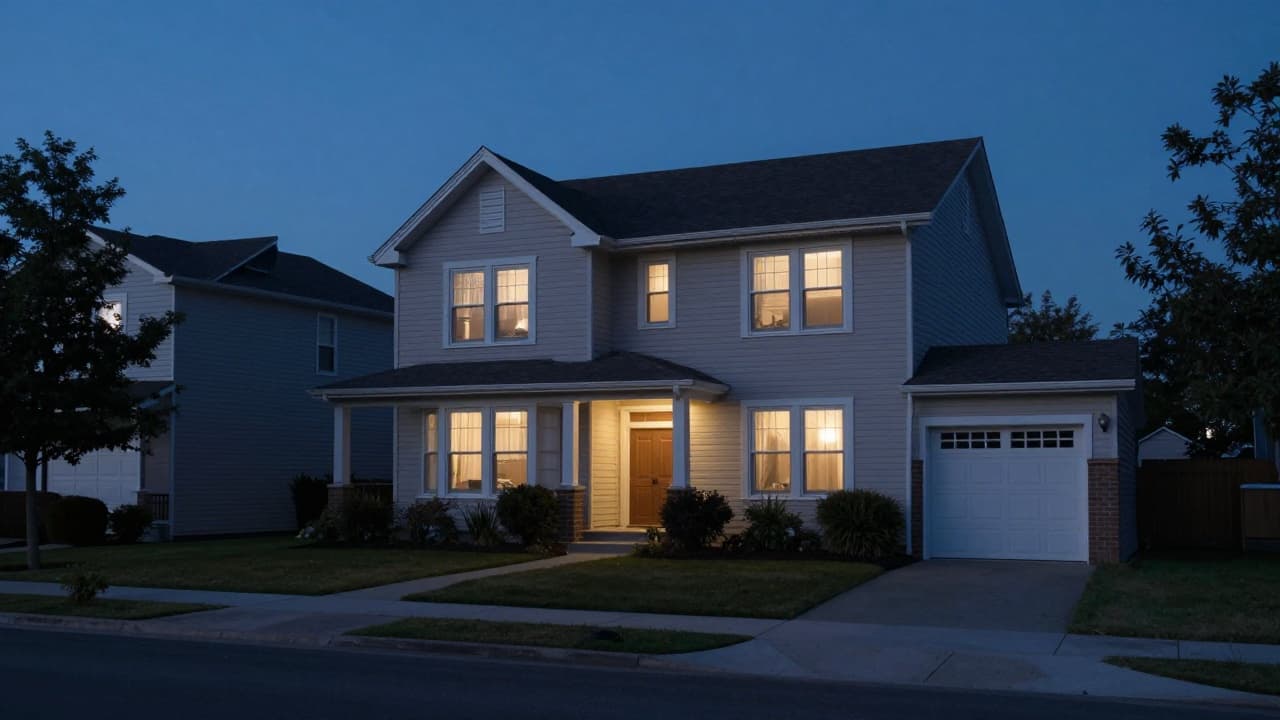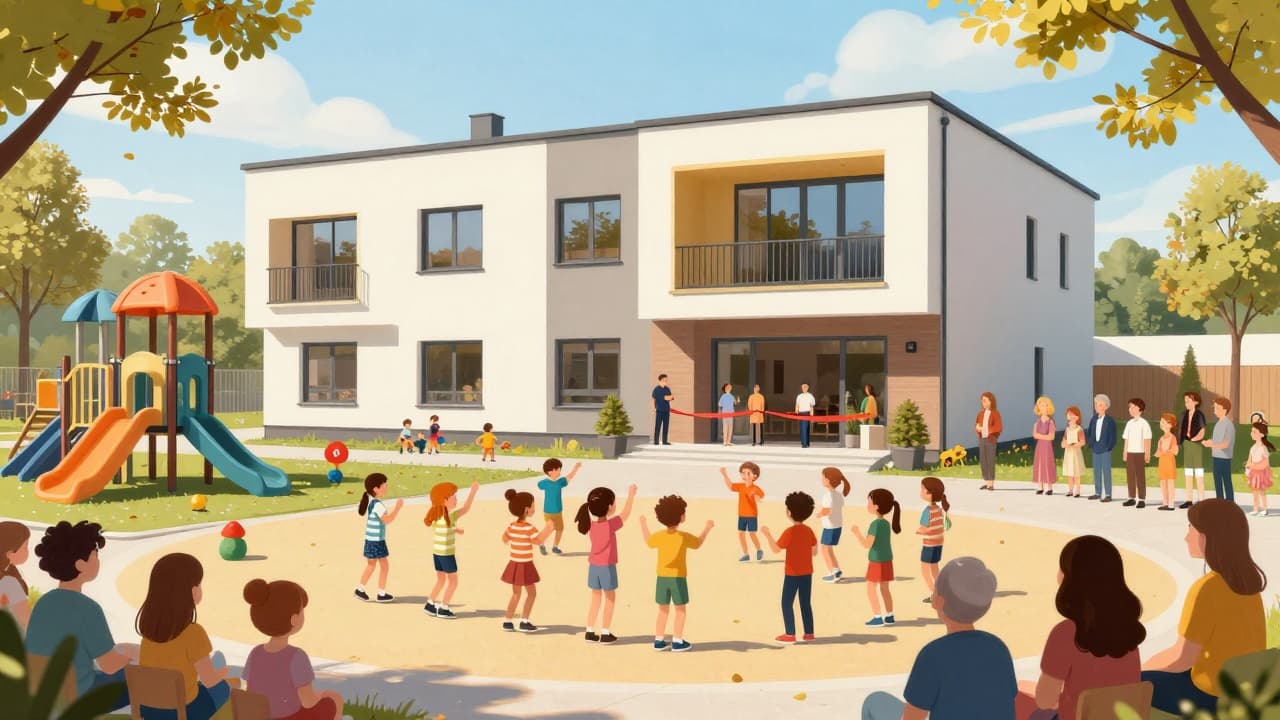
On 24 September, the Children's Kindergarten Urbarija, a branch of the city's Children's Kindergarten "Zvončić", was officially opened in Našice. The kindergarten was named after the city district in which it is located, and the newly built building provides places for 122 children housed in 6 kindergarten groups. For the first time in the history of the Našice kindergarten, two nursery groups have also been opened.
The ceremony was attended by a representative of the President of the Croatian Parliament, Gordan Jandroković, MP Ivo Zelić, a representative of the President of the Government of the Republic of Croatia, Andrej Plenković, and the Minister of Science and Education, Radovan Fuchs, Vesna Šerepac, Director of the Department for Education and Upbringing at the ministry, Goran Ivanović, Deputy County Prefect of the Osijek-Baranja County, Nataša Tramišak, Goran Ivanović, Mayor of the City of Našice, Krešimir Kašuba, with his associates, and Viktorija Vladika, Director of the Children's Kindergarten "Zvončić" Našice. The programme began with the performance of the anthem of the Republic of Croatia, after which the young kindergarten pupils performed a show, song and dance choreography.
Director Viktorija Vladika expressed gratitude to everyone who helped in the construction of the kindergarten. She stated that the kindergarten's work began on 1 September and that all children are currently still in the process of adapting to the new space. She also announced that there would be two educators working in each group, and that the kindergarten has a health supervisor.
Mayor Krešimir Kašuba called this a historic day for Našice. He emphasised that the city had received a modern kindergarten on a thousand square metres which covers four kindergarten and two nursery groups, a modern kitchen, a multi-purpose hall and an impressive children's playground. This is a capital investment worth three million euros, of which one million euros was secured from the National Recovery and Resilience Plan, and the remaining 2 million euros were financed by the City of Našice.
The Mayor emphasised that the construction of the kindergarten is part of the city's fundamental measure and development strategy, which is demographic renewal, and stressed that the number of children in the city increases every year. He also stated that they had managed to accommodate all children whose both parents work in kindergartens and that they had secured co-financing for kindergarten attendance. Full-day care costs 100 euros per child, while the market price is between 400 and 500 euros per child.
Kašuba called the new kindergarten, located in the city district of Urbarija, the second centre of the city, pointing out that the Osnovna škola kralja Tomislava and many other important institutions are located in that district. He highlighted that this is a continuation of investments in school and pre-school education by the City, which has been going on for a full seven years. He recalled that the City had carried out an energy renovation and built a new children's playground in the main kindergarten, and that it had built a new kindergarten in the suburban settlement of Jelisavac. He also announced that in a year's time they would build and open another children's kindergarten in the suburban settlement of Markovac Našički for another two groups, with the help and funding of the Council of Slovaks of the Republic of Croatia of one million euros, while the City co-finances the construction with 350 thousand euros.
Deputy County Prefect of the Osijek-Baranja County, Goran Ivanović, praised the City and the Mayor for the project. He stated that they were talking about demographic revitalisation of Slavonia and Baranja and that parents in most towns in the county pay the price of kindergarten with the great help of cities.
Representative of the President of the Government and the Minister of Science and Education, Vesna Šerepac, highlighted that the construction of children's kindergartens is an investment in the future of the Republic of Croatia. She stated that for the first time in Croatian history, the conditions for early pre-school education and upbringing are being created in a systematic way through the National Recovery and Resilience Plan.