Croatia has joined the LIFE Slovenia SupAIR project, which aims to improve air quality through the establishment of the Register of Small Domestic Hearths (ReMaL). This project, which runs from 2027 to 2034, has passed evaluation by the European Climate, Infrastructure and Environment Executive Agency (CINEA). The Ministry of Environmental Protection and Green Transition is the sole Croatian partner in this international project.
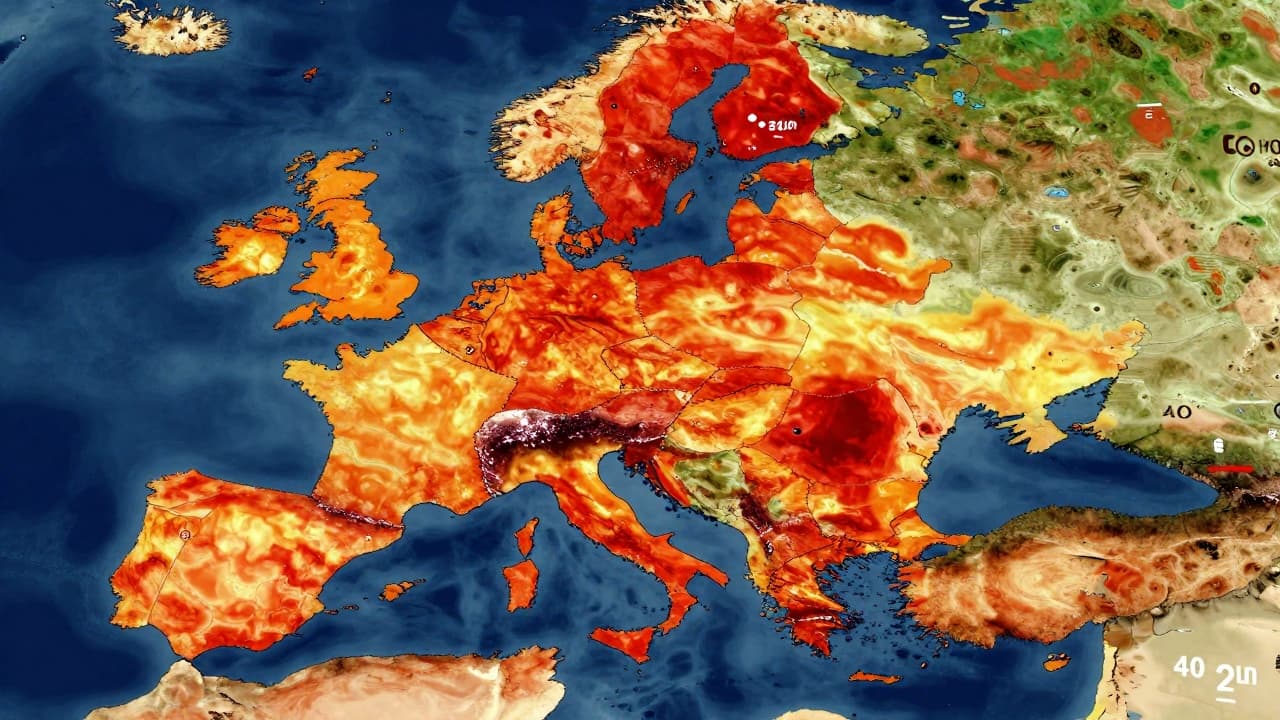
The key activity for Croatia is the establishment of a national register containing detailed data on household heating devices, the types of fuels used, and their emission characteristics. Such a system will enable more precise estimates of harmful substance emissions, particularly PM2.5 particulate matter, and better modelling of air quality. This will facilitate the planning of effective measures to reduce air pollution.
Slovenia already uses a developed system for recording and monitoring small hearths, known as EviDIM, in which chimney sweep associations record data on devices, users, and services performed. Knowledge and good practices from the Slovenian model will be transferred to Croatia, adapted to the local legislative and institutional framework. The project also includes training for professional services, chimney sweeps, local self-government units, and other relevant stakeholders.
Although it is clear that the register will cover stoves, fireplaces, and boilers in Croatian households, it has not yet been defined how hearths will be recorded or who will be responsible for data collection. It is unknown whether owners will report their own devices or if data will be collected during chimney sweep inspections, via applications, or by linking existing records. It has also not been clarified whether chimney sweeps will receive new obligations in this process.
The introduction of the Register of Small Domestic Hearths can play an important role in future heating policy in Croatia. The state will be able to more precisely identify areas with the greatest emission problems and use the register as a basis for targeted incentives to replace old and inefficient devices. This will further contribute to protecting air quality and reducing harmful impacts on the environment and public health.