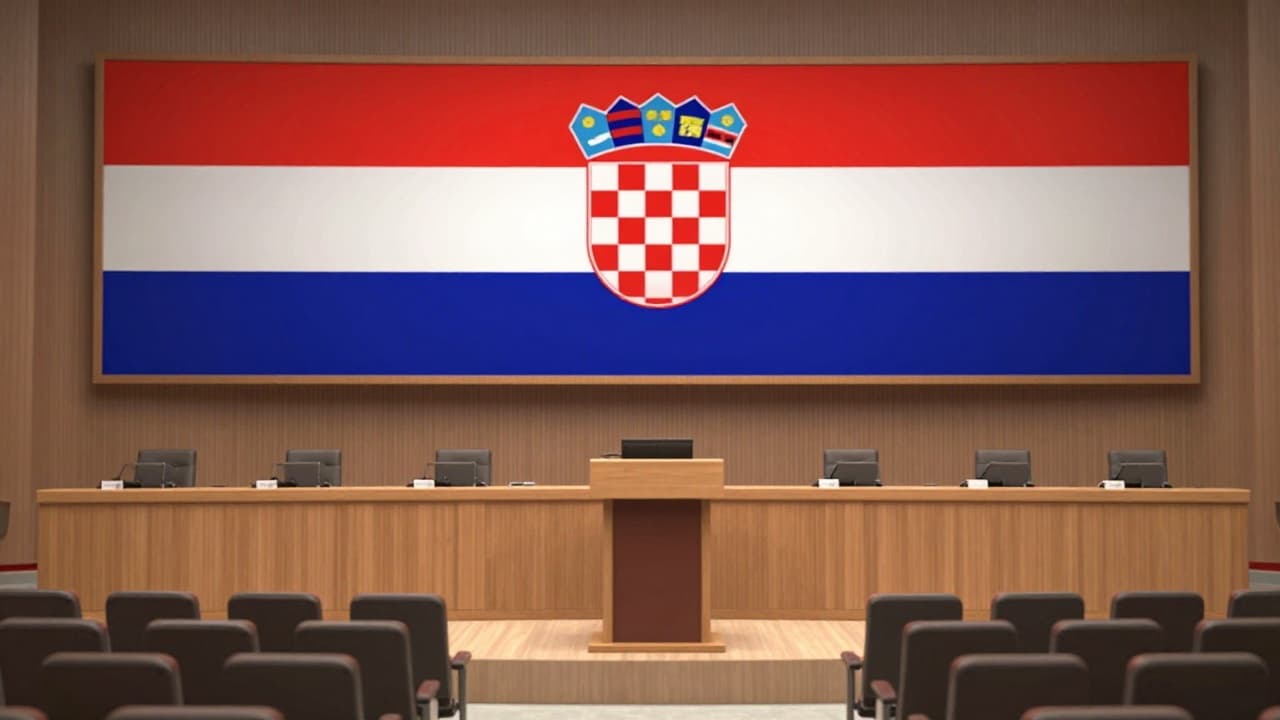
The Croatian Chamber of Commerce (HGK) warns of the increasing pressure that economic development places on natural systems and resources. In this context, experts are taking a leading role in managing the energy transition, among them Tamara Kelava, head of the Department of Energy, Environment and Public Utilities, whose expertise is increasingly regarded as a reference in sustainability assessments.
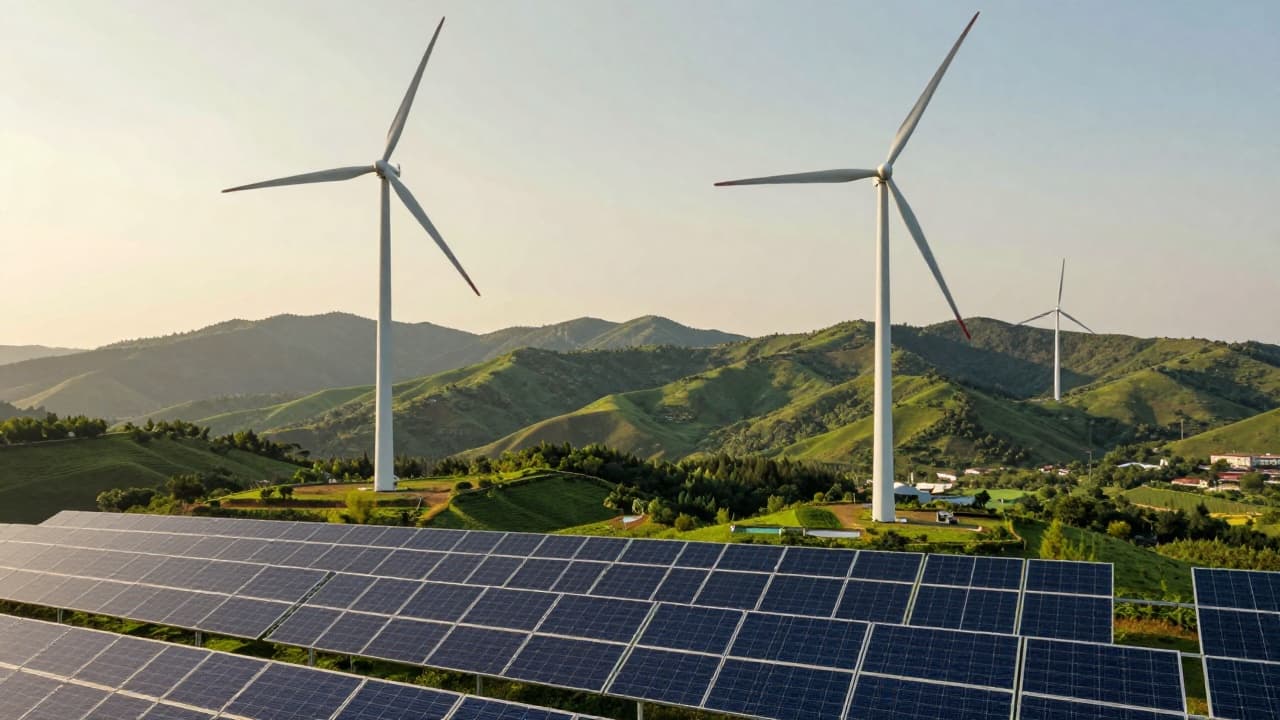
Although the European context shows signs of slowing, the energy sector in Croatia is recording positive trends. According to available data, in 2025 the share of renewable energy in total electricity consumption in Croatia reached 52.6 per cent. This represents a significant step forward compared to the average within the European Union, where the share of renewables in 2025 was 49.9 per cent, indicating that Croatia is outperforming the EU average in this area.
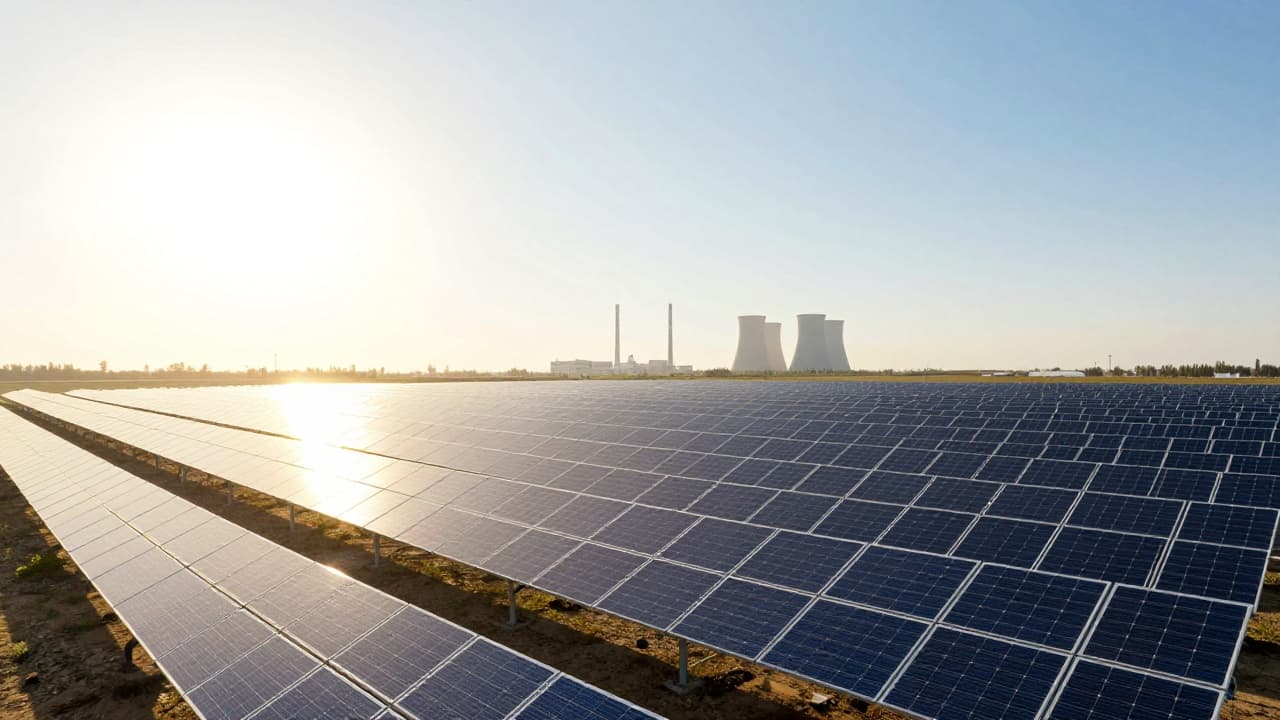
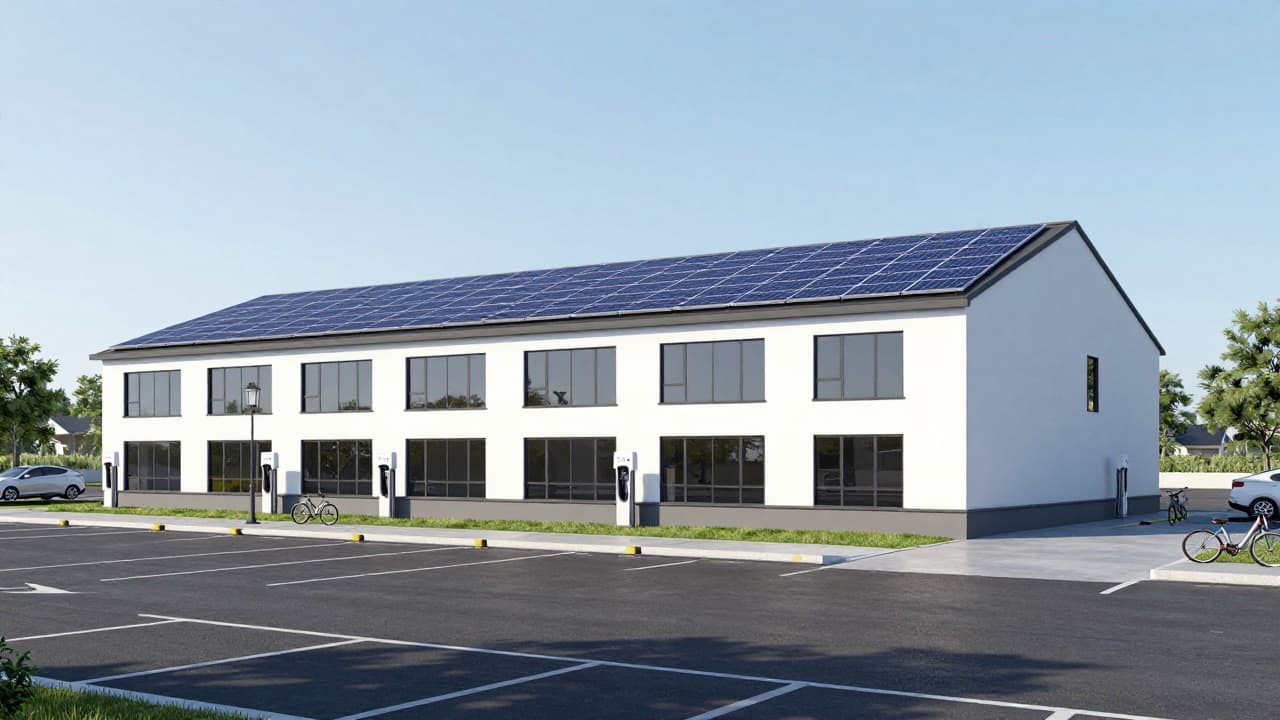
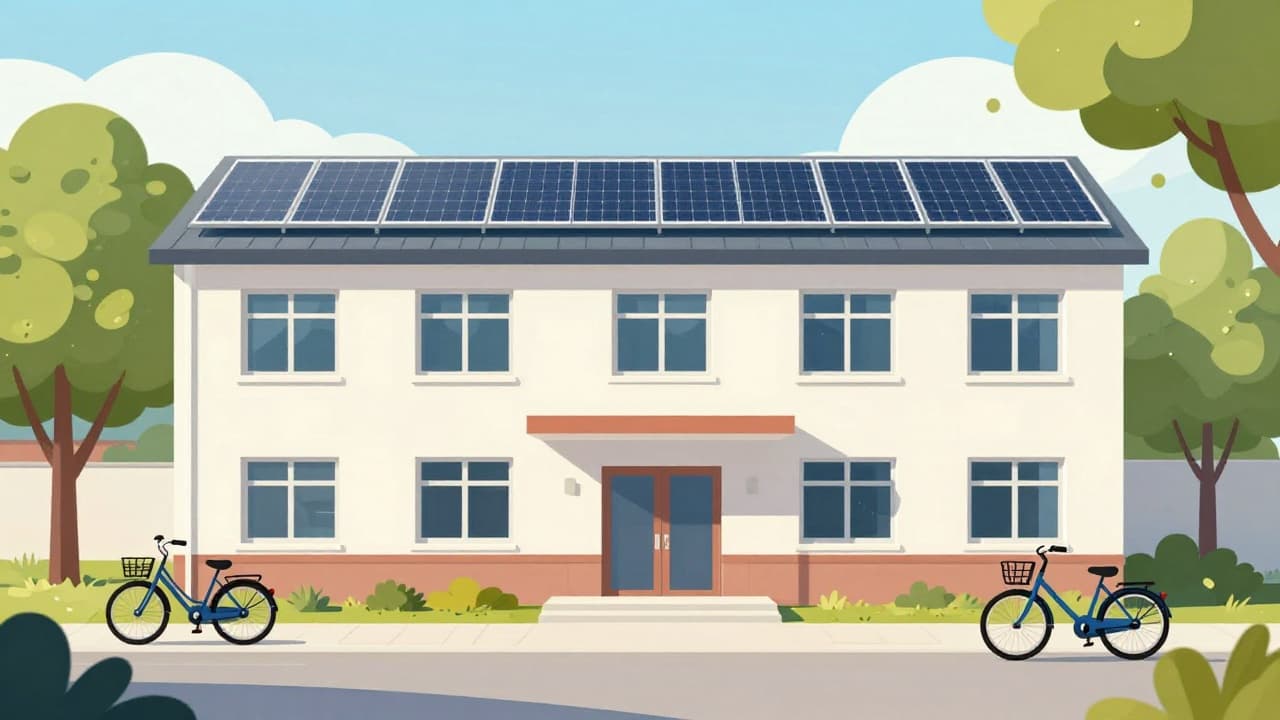
The structure of production has been further enhanced by a significant growth in solar capacity. During the past year, an additional 417 megawatts (MW) of solar capacity were installed in Croatia. This expansion has contributed to solar power plants producing a total of 1,127 gigawatt-hours (GWh) of electricity in 2025. These figures confirm the growing contribution of solar energy to the country's energy balance.
On the other hand, the global perspective presents challenges. According to 2025 data from the United Nations, 18 per cent of targets in the sustainable development goals have not advanced sufficiently to be achieved by 2030. In comparison, 17 per cent of targets show only moderate progress. These figures highlight the complexity of achieving the global development goals, while simultaneously highlighting the importance of local efforts, such as those in the Croatian energy sector, which contribute to meeting these global standards.