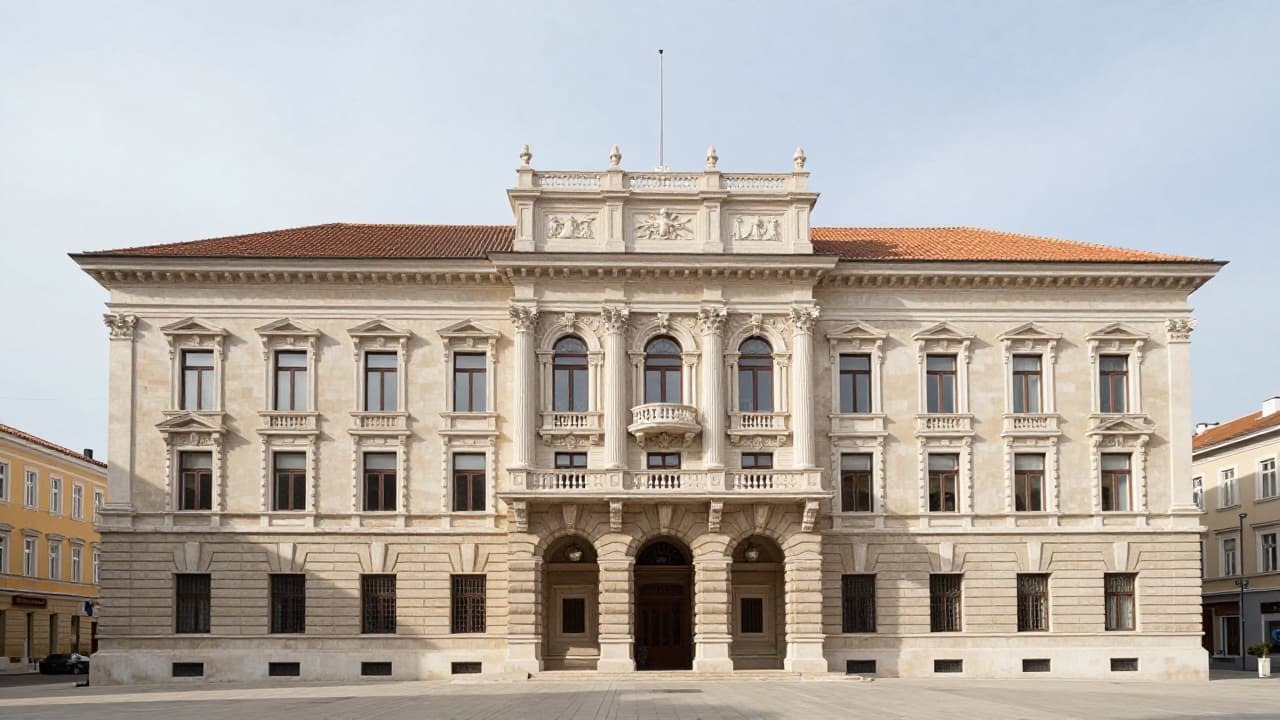
The City Council of Rijeka has unanimously adopted the draft resolution by Možemo! on the establishment of a model for the use of municipal premises without the payment of rent by licensed non-profit providers of social services. This, it is stated, marks the first concrete step towards changing the way the City treats spaces where social services are provided.
For Možema, this is one of the most significant results of the day's session of the City Council. The topic was opened by a council question from Hana Palek, after which it was established that 18 licensed providers of social services operate in the city premises. These providers pay an annual rent of approximately 62,000 euros.
Možema has prepared a draft resolution in which the City is asked to create a systematic, transparent, and equal model for these providers. The party stated that it makes no sense for the City to fund social services with one hand and then take that money back through rent. If money is designated for a social service, it should remain in that social service, they stress, adding that they are pleased that the entire City Council has recognised this argument.
In their view, the work is not finished with the acceptance of the resolution. The next step is the creation of a concrete model, which should not represent merely an administrative release of existing providers from rent, but a real change in the management of spaces for social services. The model should clearly distinguish between social services and commercial activities, and establish a specific and transparent procedure for the allocation of space to licensed non-profit providers. In making decisions, priority should be given to the needs of citizens, the availability of the service, the continuity of the service, the quality of work, and the public interest.
From the perspective of the party, space is not a privilege for providers of social services, but infrastructure for social services. They want a model in which licensed providers who currently do not have municipal space can, according to clear and publicly verifiable criteria, access appropriate space for the provision of services.
It is considered particularly important that the new model is not drawn up without the people to whom it directly applies, namely those who best know the needs of users and the actual conditions in which social services are provided daily. The drafting of the model should include licensed providers of social services, users, people with disabilities, and other relevant stakeholders, so that the final solution corresponds to the actual needs on the ground.
The party states that this is an example of the way they wish to act in the City Council. They do not wish merely to point out problems, but to open them up, gather data, propose a concrete solution, and attempt to build support around it. This time, they say, they have succeeded unanimously. From the perspective of the party, they will monitor that the accepted resolution does not remain on paper, but that a high-quality and fair model emerges from it.