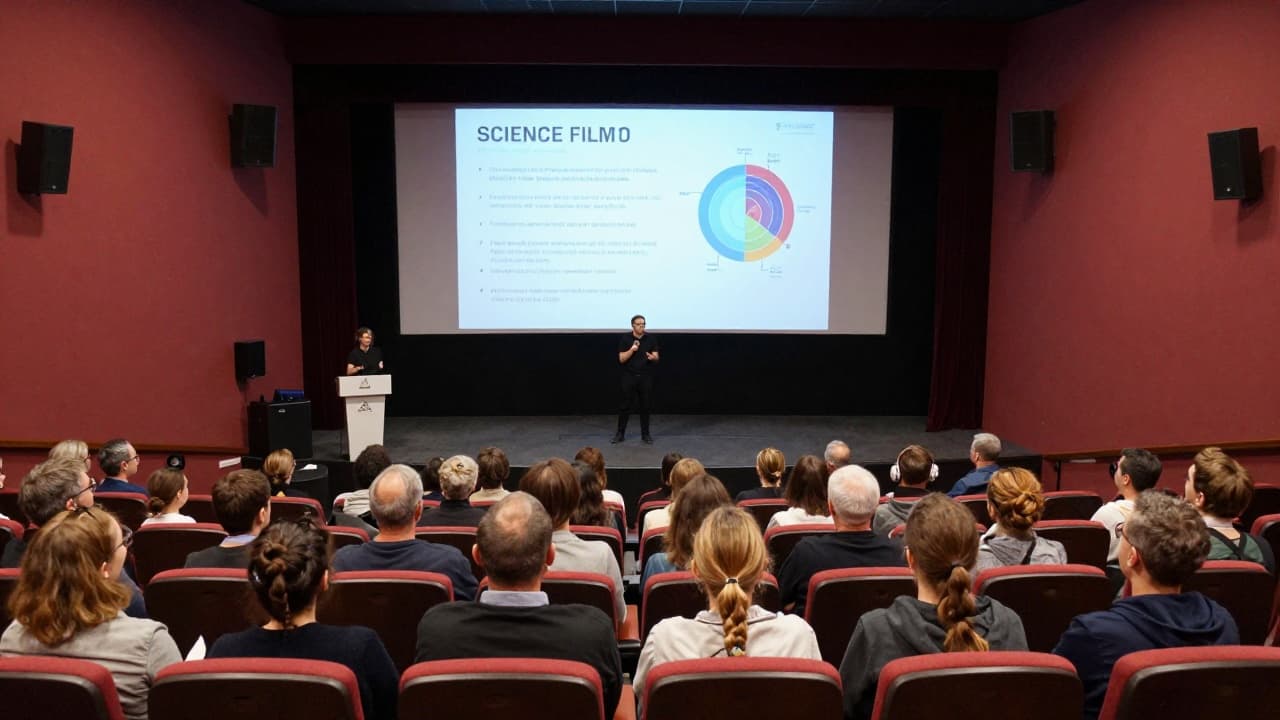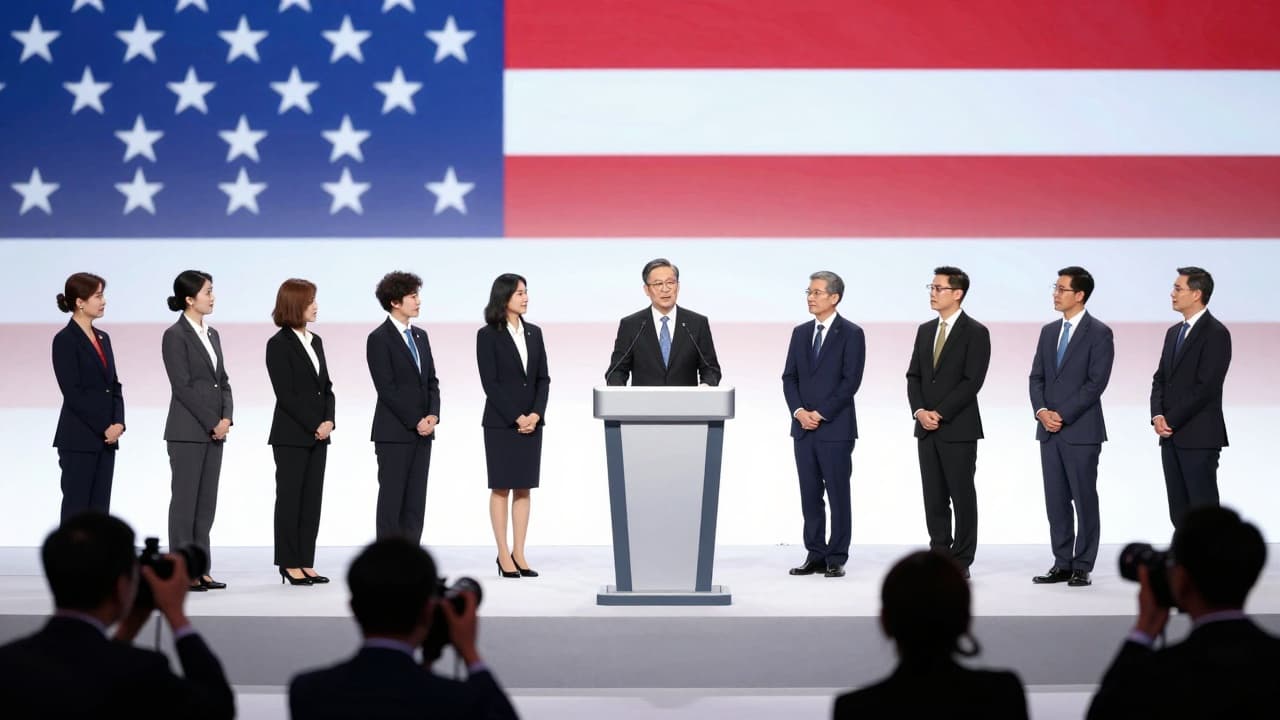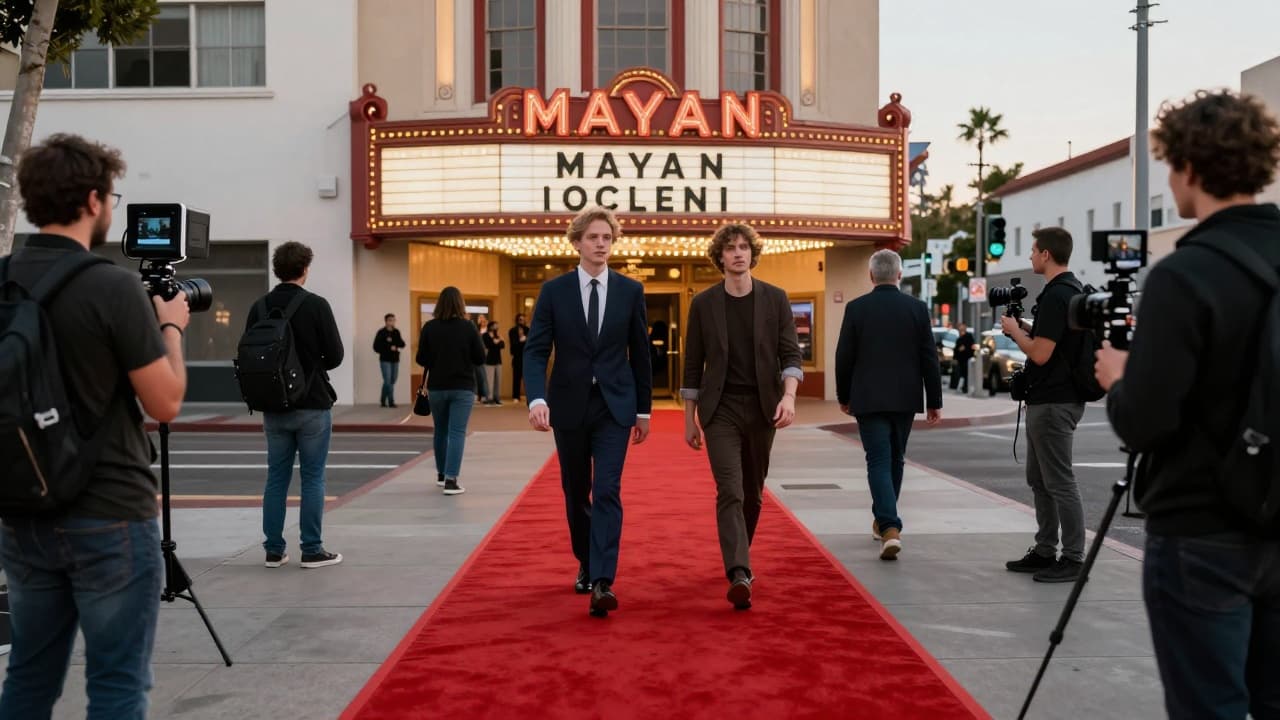
The first awards ceremony exclusively for music created by artificial intelligence was held on Friday in Los Angeles. The event, titled the AI Music Awards, took place on 13 November at the Mayan Theatre in downtown Los Angeles, just a 12-minute walk from the venue where the Grammys are traditionally awarded.
The organiser is SIQA (Sonic Intelligence Academy), a young company funded by a venture capital fund. SIQA describes itself as independent infrastructure for the era of AI music and openly aims to be what the Recording Academy, the organiser of the Grammys, is to the rest of the music world. To enter a song in the competition, the author had to register it in a registry that SIQA launched in September. The registry divides songs into three groups: fully AI-generated, made with AI assistance, and hybrid songs in which the lead vocal sings a cloned human voice. Registered authors nominate each other in 25 categories and vote for the winners themselves. The categories cover song, artist, album and producer of the year, as well as pop, country, gospel, R&B, hip-hop, jazz and rock, and there is also an award for the best humorous AI song.
A professional conference with panels and the first part of the awards was held the day before the ceremony, while tickets for the main evening cost $250. In the main categories, the winners were: AI Song of the Year – How Was I Supposed To Know? by Xania Monet; Best AI Music Video of the Year – Solomon Ray with the track Seated; Best AI-Assisted Song – The Second Voice with the song LET ME BE; and Best Hybrid Human and AI Song – Influence (feat. Eric Bellinger) by Aries Ivory.
Creators behind AI personas walked a red carpet that was barely two metres long. They were followed by a dozen crews, mostly from small and independent media outlets. In a corner stood an AI reporter from one of the sponsors, a device that posed questions to performers but could not move to the carpet. Many authors emphasised the human element of their work in interviews, namely their own lyrics, vocals and ideas, with AI being merely a tool in that narrative.
The ceremony started half an hour late. The organisers eliminated the reading of nominations in the first half, and the hosts simply announced the winners. They shared two microphones and relied on a teleprompter with a script generated by a chatbot. The text on the teleprompter jumped around as the hosts spoke, so they often did not know whether an award, a performance or a commercial block was next. The AI voice that was supposed to introduce guests mostly did not work, and when it did, it spoke over the hosts and guests. Sponsor advertisements played at random moments. In one of the sponsor ads, also generated by AI, the logo of a well-known company appeared, and it is unclear whether the company approved it.
Some authors performed their entire act on playback, while others hired performers who did the act on playback on their behalf. For one project in which both a boy and his voice were generated by AI, a teenager of similar appearance was brought on stage who lip-synced to the recording. Almost all performances were accompanied by a real house band and dancers provided free of charge by the organiser. There were only a few instances of live singing, mostly when professional singers performed other people's AI songs. The organiser finally acknowledged the technical difficulties and promised that everything would function next year.