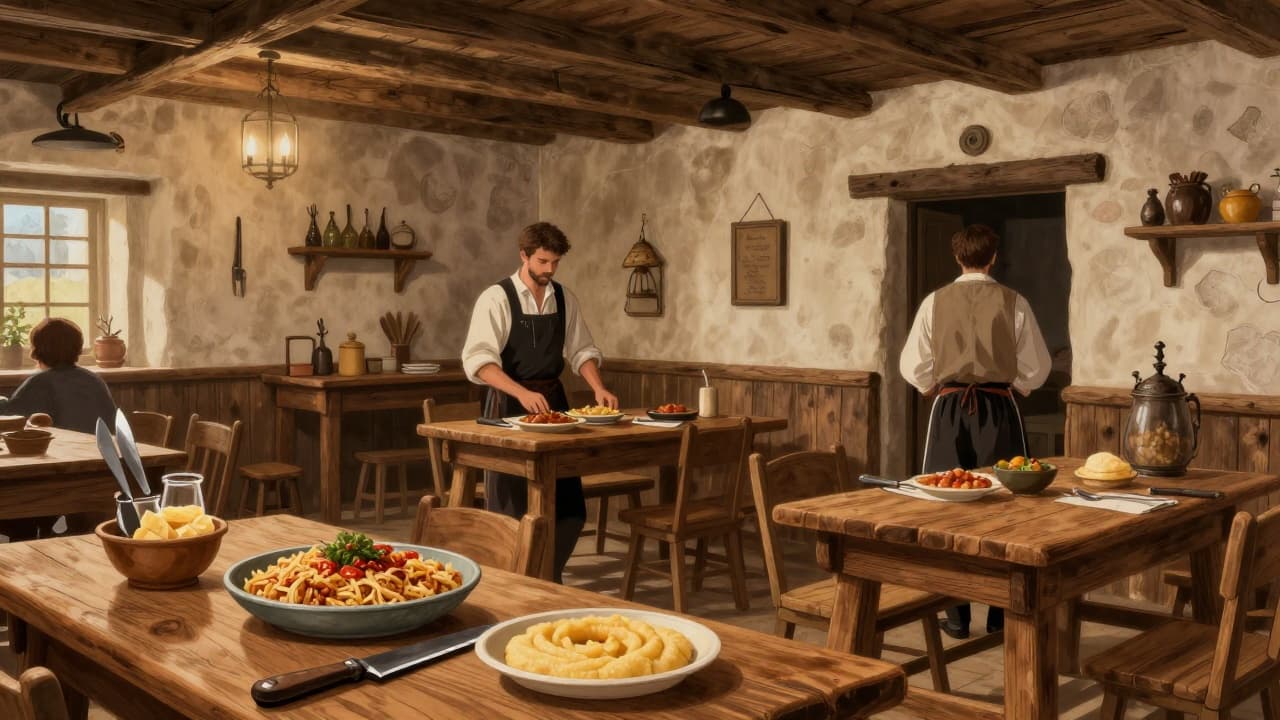
Frank Lukež's book on Pula's oštarije (traditional taverns) will be presented at the upcoming Pula Book Fair in Istria. The book focuses on these establishments, and Lukež writes about them with great soul and attention to detail.
In the past, food was authentic, going from field to table, from the vineyard to the glass, from the net or the bush to the end user, prepared from simple ingredients. There was a cult of food, and people knew where they could eat good, simple, home-cooked meals. Each oštarija had its own regulars, and the waiters would retire there, rather than just waiting for the next month's wages.
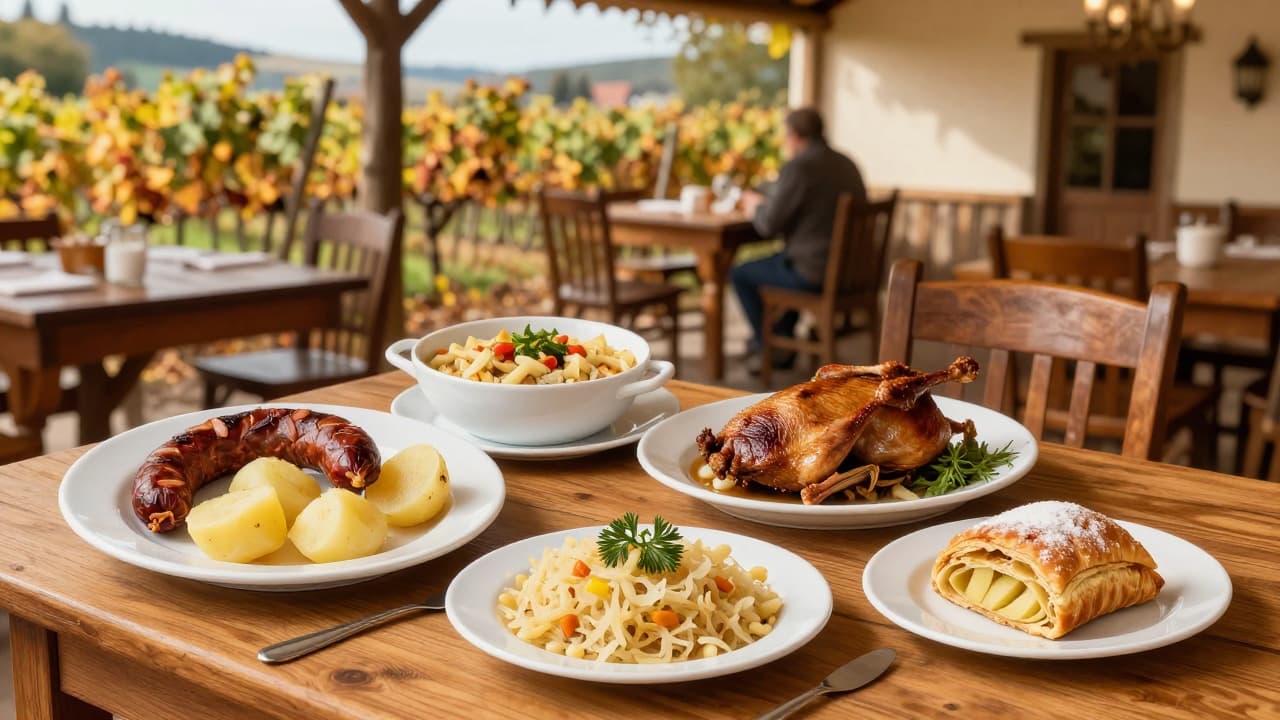
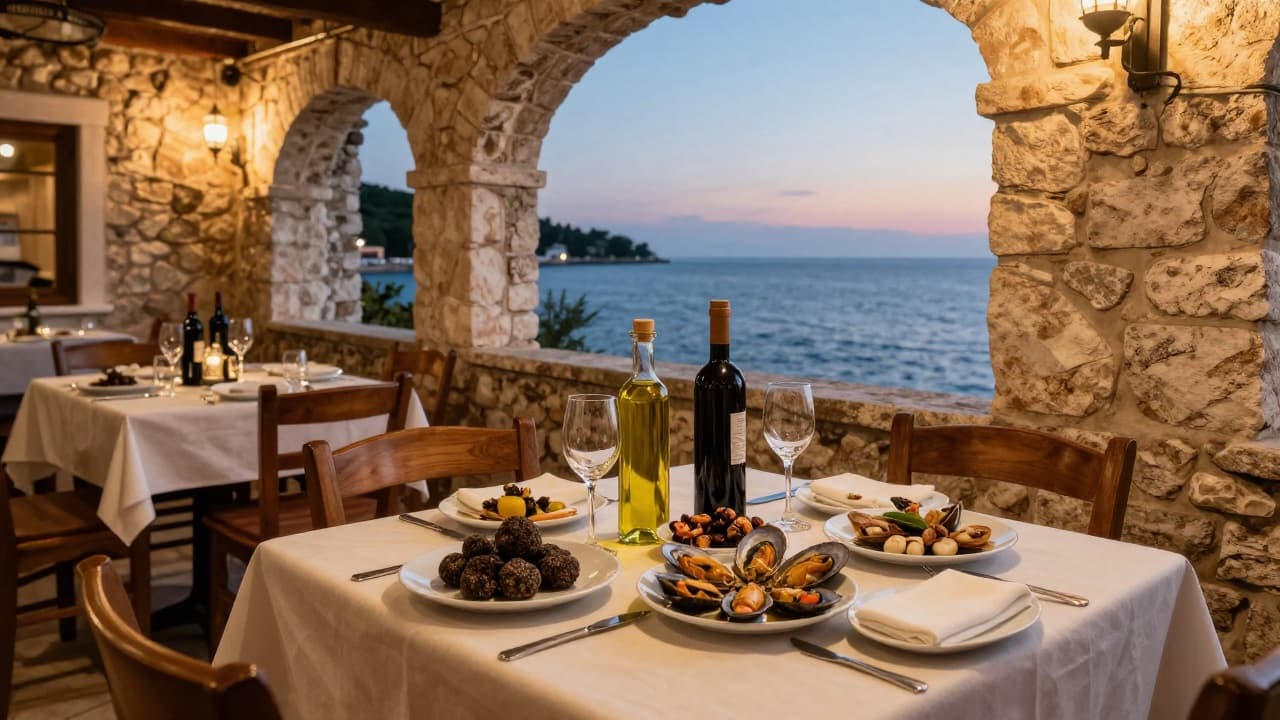
The menu featured manestra, šugo, tripice, polenta, gnocchi, game, jota and sausages with cabbage – seasonal and local. People knew exactly where to find what, when and at what time of day, as well as who they would meet there.
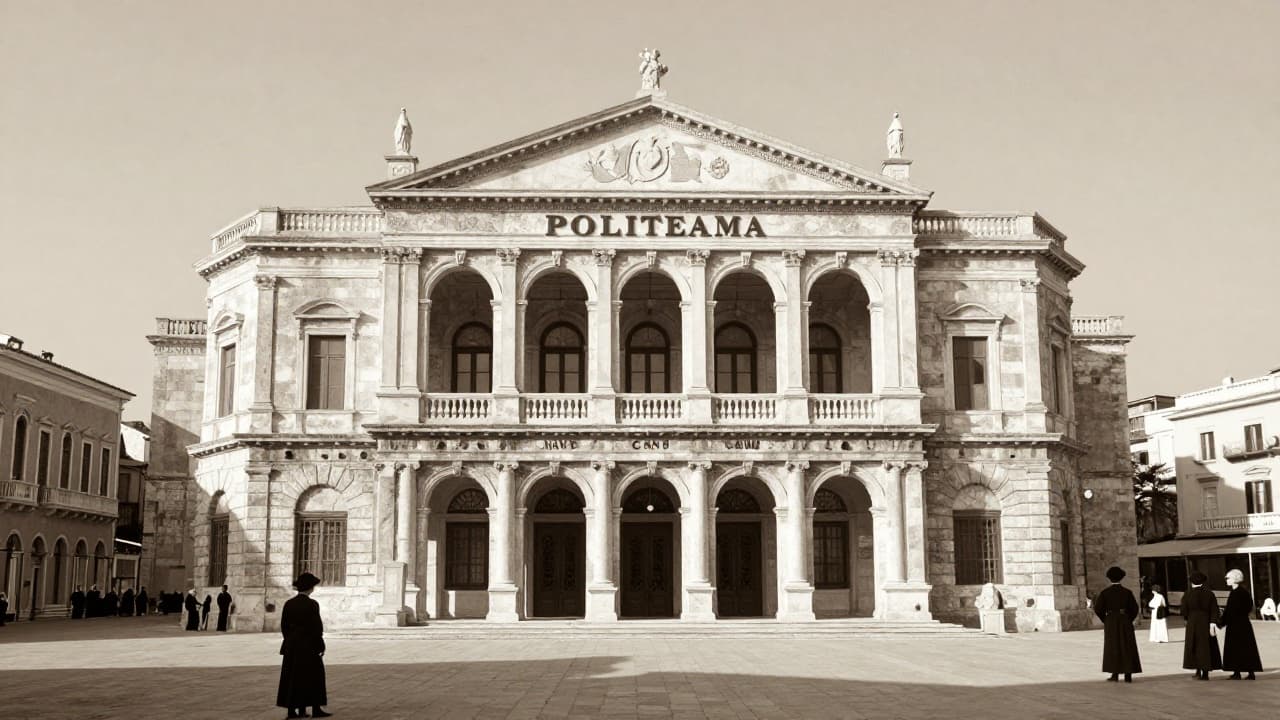
A few decades ago, at least in terms of that specific, traditional eno-gastronomic experience, Pula was more of a city than it is today. There are still individuals who are making a tremendous effort and surviving despite all difficulties, trying to preserve the character of former Pula.
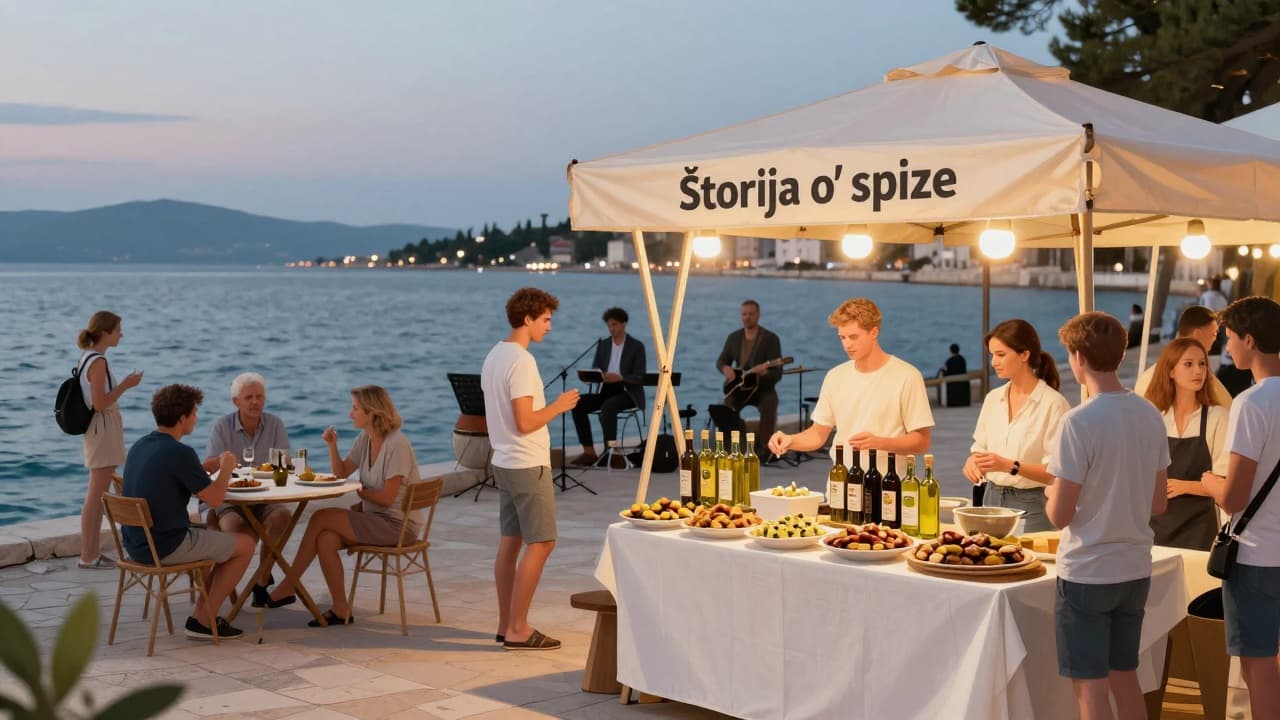
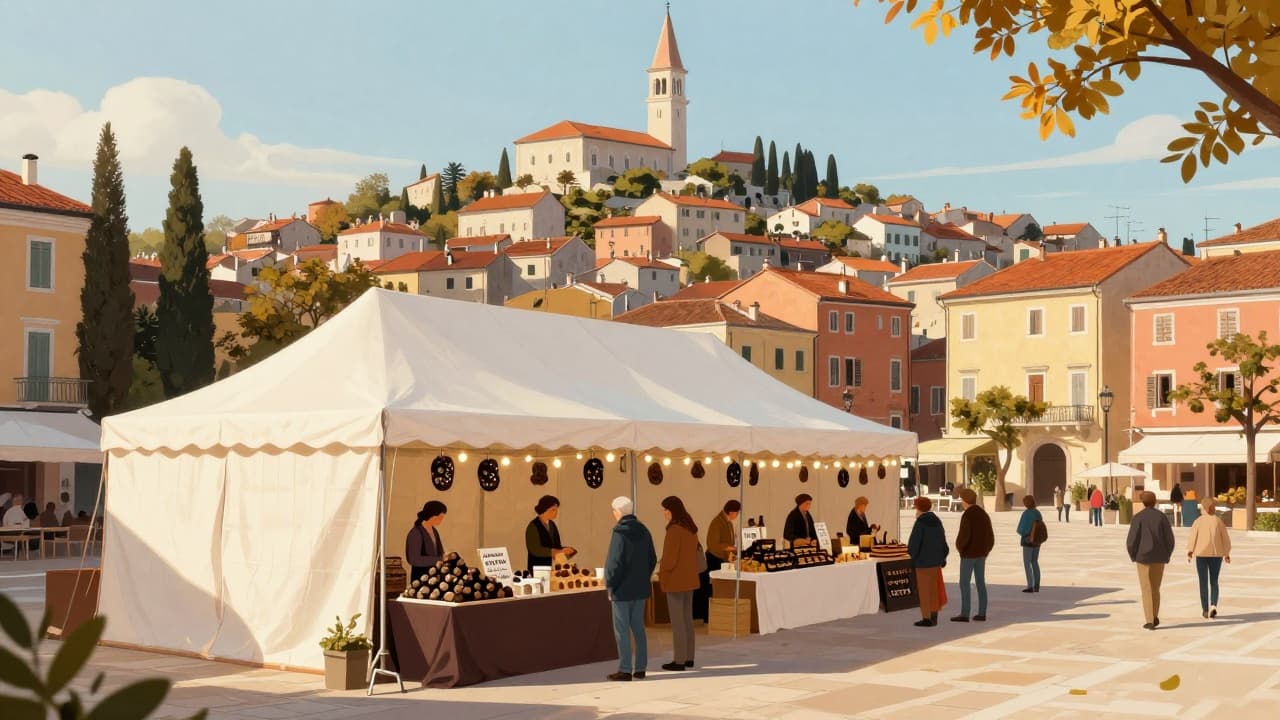
Through the eno-gastronomic offering, one can see the image and situation of a city, its particularities, but also the cause-and-effect relationships that shape it. In all of this, its people are the most important, with all their particularities and stories. Today, there is an increasing effort to present and revive aspects of the past so that they remain preserved, alive and always fresh.