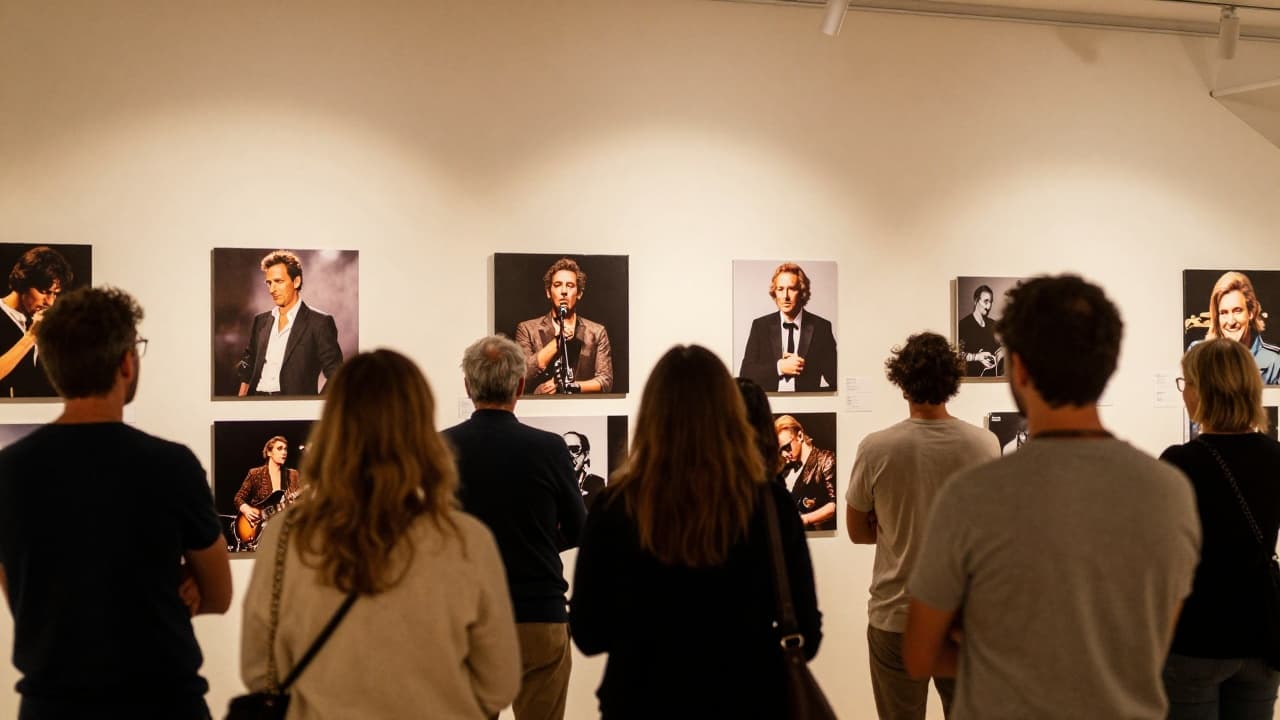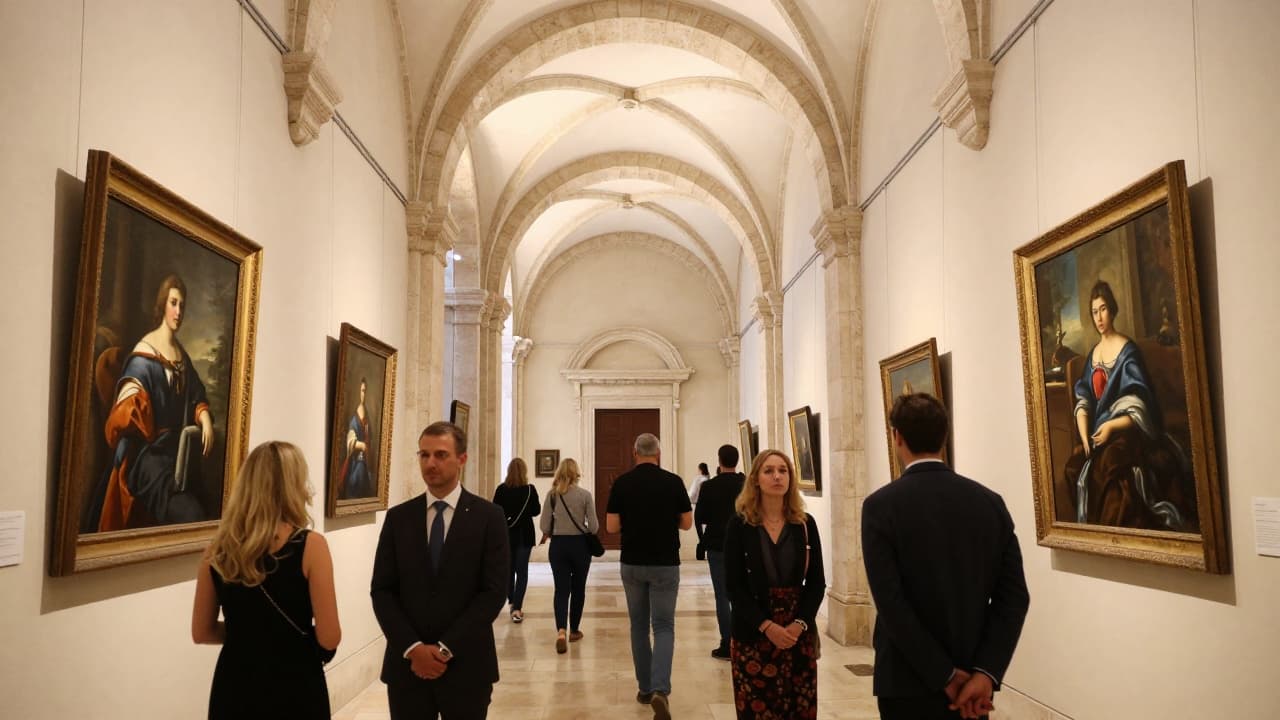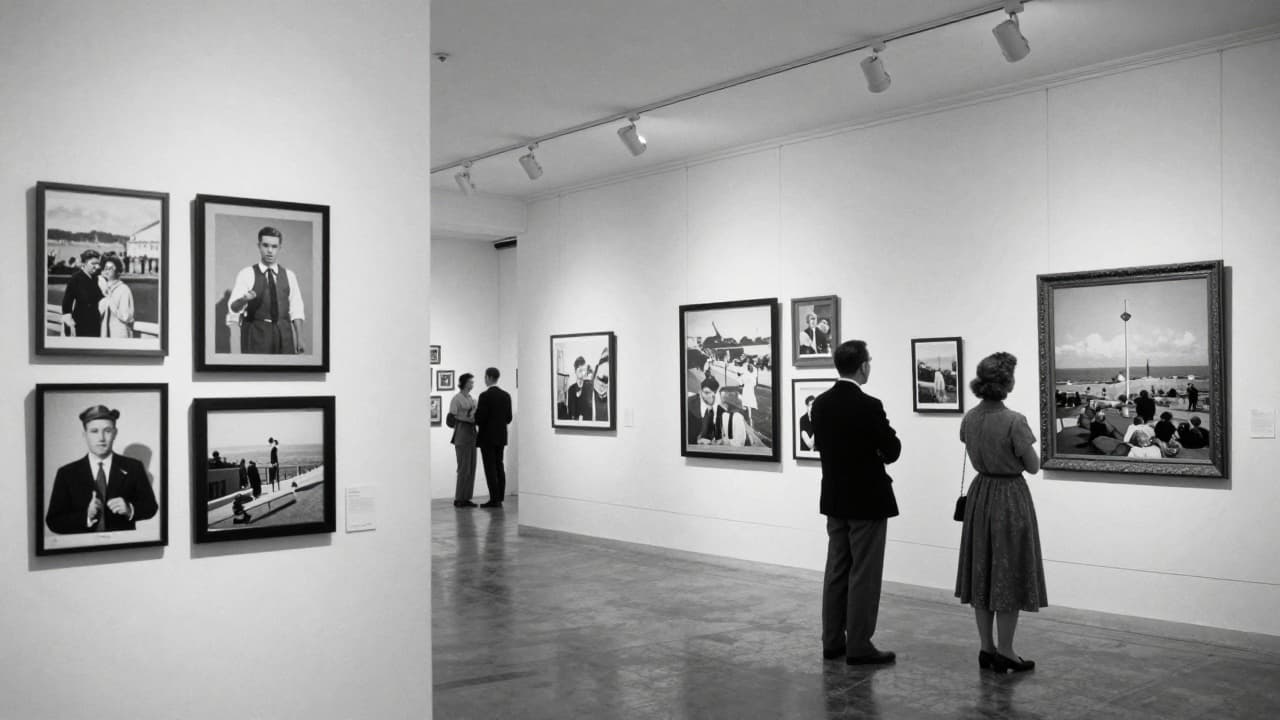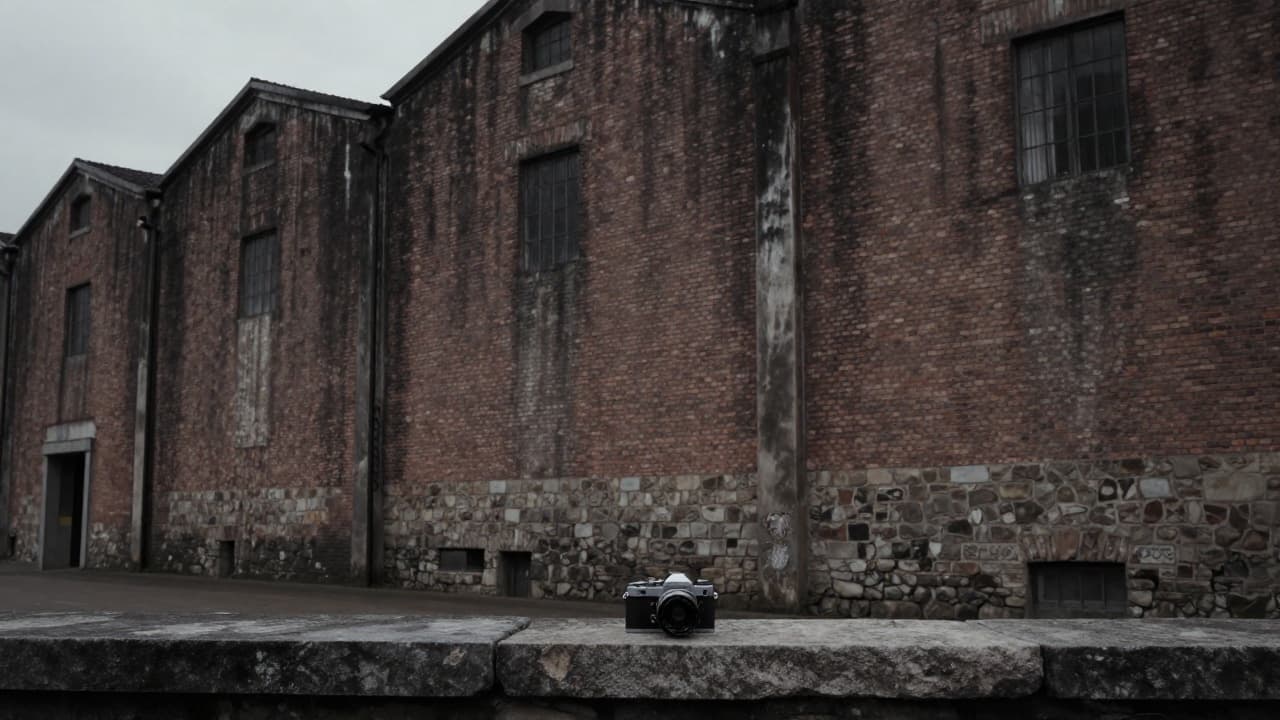
The exhibition titled 'San Ribbi: Architecture, Memory, Photography' has closed at the Pula Museum. This exhibition, which encompassed 20 photographs, allowed visitors to gain insight into the historical context of one of the most tragic sites in the northern Adriatic region. The exhibition was dedicated not only to the building itself but also to the broader historical context in which the site was situated, connecting it to the general historical trends and tragedies of the 20th century.
The Ribbi, a building constructed between 1898 and 1913, was initially used as a rice processing facility. However, following the cessation of industrial activity, the building was converted into a barracks. Its purpose changed again on 8 September 1943, when it became one of the centres of Nazi repression in the northern Adriatic region. From late 1943, the building served as a police prison (Polizeihaftlager), equipped with cells and a crematorium.
Prisoners held in the prison were Italian, Slovenian, and Croatian hostages, anti-fascists, and partisans. It is estimated that between two and three thousand people lost their lives in the Ribbi. The building also served as a transit camp for the deportation of prisoners to Nazi concentration camps, including a large number of Jews.
Today, the Ribbi is recognised as a memorial space, a monument, and a place of remembrance dedicated to the victims of Nazi persecution and repression. Its history is closely linked to the history of Istria, particularly the deportations of the population to concentration camps. The 'San Ribbi' exhibition was an important step in preserving the memory of these events, allowing visitors to deeply understand the historical context and the human cost that followed.