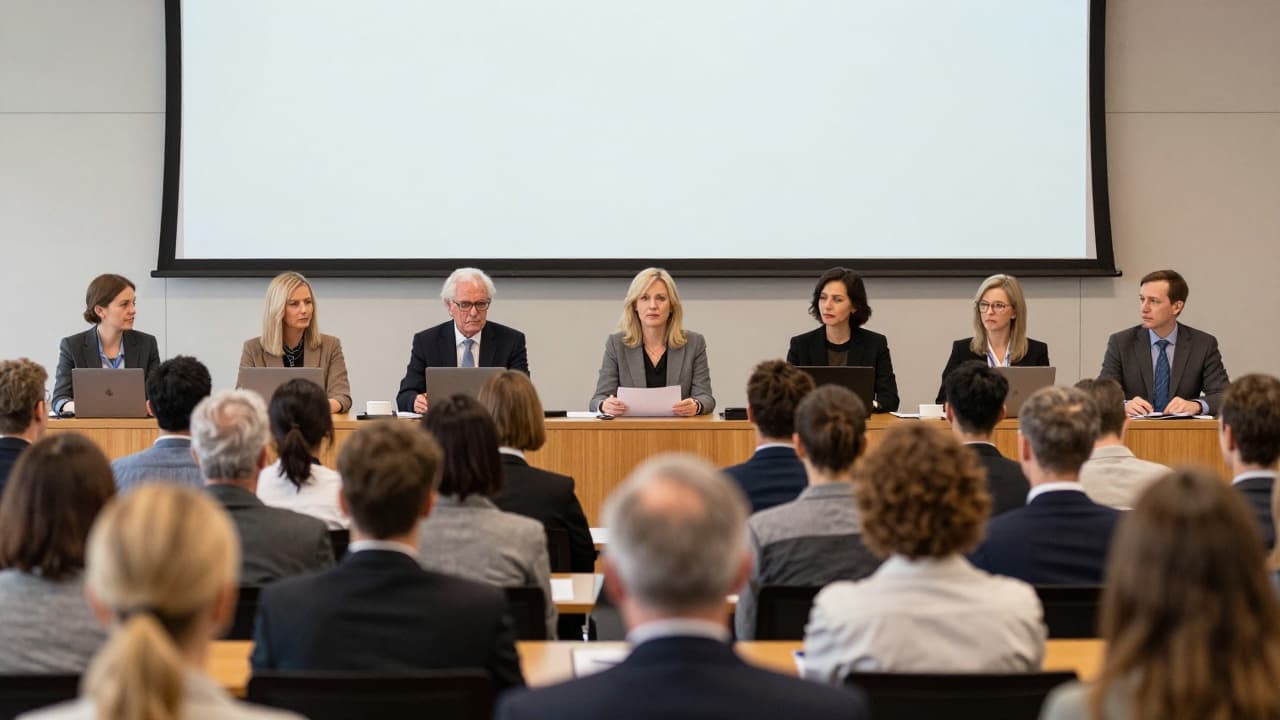
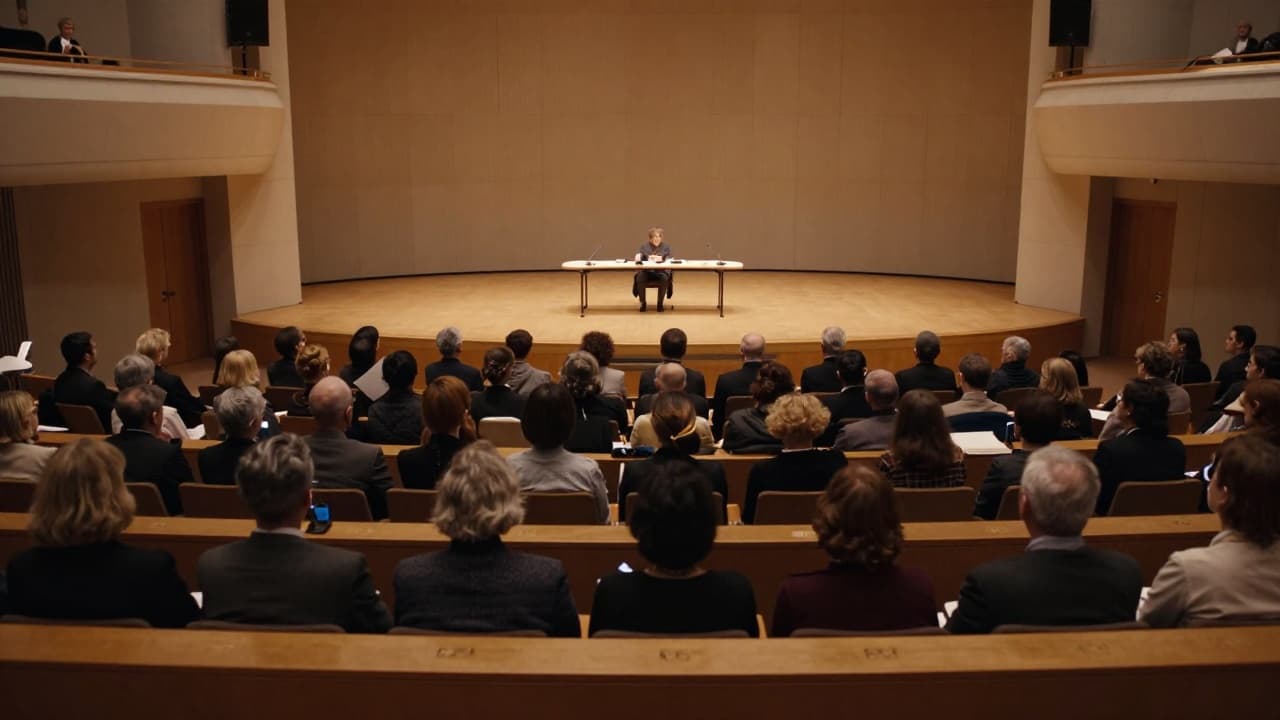
Organised by Poliklinika Affidea Vita, a special edition of the Affidea Care Talk dedicated to menopause and the changes it brings to every woman's life was held. Numerous attendees gathered at the Kuća umjetnosti Arsen (Arsen House of Arts), with the aim of bringing women closer to the changes they are undergoing, answering common questions and showing that this topic should be discussed openly and without discomfort, rather than in whispers.
Experts discussing the topic of menopause included prim. mr. sci. Marijana Gulin, dr. med., a specialist in internal medicine and sub-specialist in nephrology; Indira Vukčević, dr. med., a specialist in gynaecology and obstetrics; Tatjana Ninić, a professor of psychology and integrative child and adolescent psychotherapist; and Sandra Svirčić, an occupational therapist and Gestalt psychotherapist.
Gynaecologist Indira Vukčević clarified that menopause is defined after 12 consecutive months without menstruation and typically occurs between the ages of 51 and 52. Initial changes can occur earlier, during perimenopause, and the entire transitional period can last up to a decade. Vukčević emphasised that menopause is not a disease, but a part of natural ageing, though she added that some patients genuinely feel ill due to a range of possible associated symptoms.
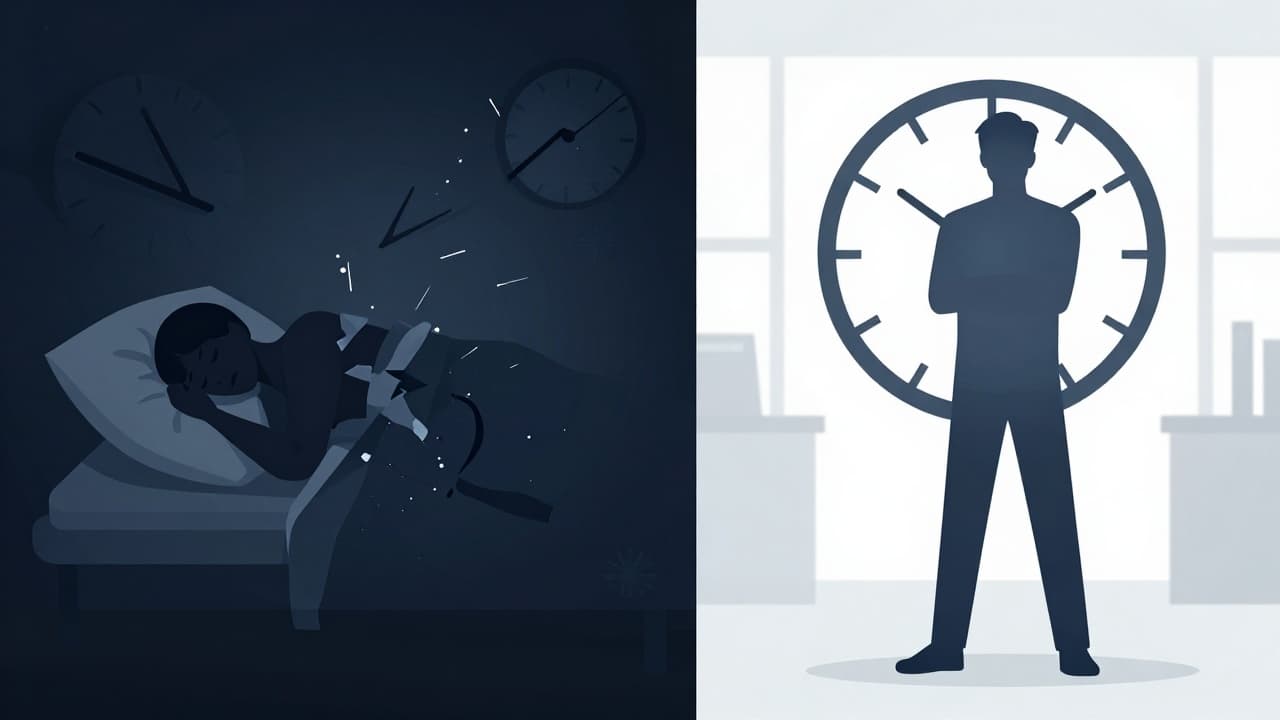
Symptoms of menopause include fatigue, hot flashes, night sweats, mood changes, anxiety, difficulties with sleep and memory, as well as changes in body weight and sexual health. These vary from woman to woman, and not all women experience menopause in the same way, nor is the intensity of symptoms identical for everyone. There is no universal solution; it is important to recognise one's own needs and discuss them with professionals.
Prim. mr. sci. Marijana Gulin warned that the decline in oestrogen levels affects the elasticity of blood vessels, metabolism and fat distribution, and can contribute to increased blood pressure. Simultaneously, muscle mass decreases, while fat tissue more frequently accumulates in the abdominal area. Gulin stated that if we are aware of what is happening to us and what we need to do, we can delay all these processes occurring in the body. It is important to understand the changes we are going through and do our best to keep potential negative outcomes under control, she said, adding that this is not easy, but solutions absolutely exist.
Regular physical activity, an adapted diet, and the preservation of muscle and bone mass are important factors for health during this period. The reduction in oestrogen levels also affects bone health, increasing the risk of osteopenia and osteoporosis. Indira Vukčević stressed that movement is important not only for tolerating symptoms more easily but also for long-term health. Physical engagement will provide stability, both mental and physical, as well as the strength to more easily navigate this transitional, very demanding and turbulent period, Vukčević highlighted, adding that it is an investment in a healthier state five or ten years down the line.
Caring for health during menopause should not be focused exclusively on alleviating current ailments. It is also an investment in the future, the prevention of potential health problems, and the creation of habits that can contribute to a higher quality of life in the years ahead, with regular preventive check-ups and individual consultations with doctors playing a crucial role.
Psychologist Tatjana Ninić warned of the additional burden many women face during this period: as children become more independent, their parents often require more care and assistance. Women are actually in a kind of sandwich position, Ninić explained. On one hand, children leave home and need us less, while on the other hand, helpless parents demand more care and concern from us, she said, adding that we are truly in a difficult position. In such circumstances, it is important to recognise one's own needs, set priorities and find a balance between obligations and time for oneself. Understanding the environment can significantly ease coping with mood changes, concentration difficulties and lack of sleep. Women often continue to fulfil numerous family and work obligations, neglecting their own state in the process, but it is important to realise that self-care is not a luxury, but a necessity.
Sandra Svirčić spoke about the impact of menopause on partner relationships. She highlighted how physical symptoms and mood changes can lead to withdrawal, misunderstandings and a sense of distance between partners, and that it is important to talk openly about feelings and needs. Open conversation, in which a woman can say what is happening and how she feels, can be extremely helpful in avoiding feelings of isolation and loneliness, Svirčić said. In addition to a close partner relationship, friends and support groups help a great deal, she added. When you share experiences with women of a similar age, you see that you are going through situations that are common to others, Svirčić said, adding that menopause can be an opportunity to redefine the partner relationship, communication and mutual support, as well as to have an open conversation about oneself.