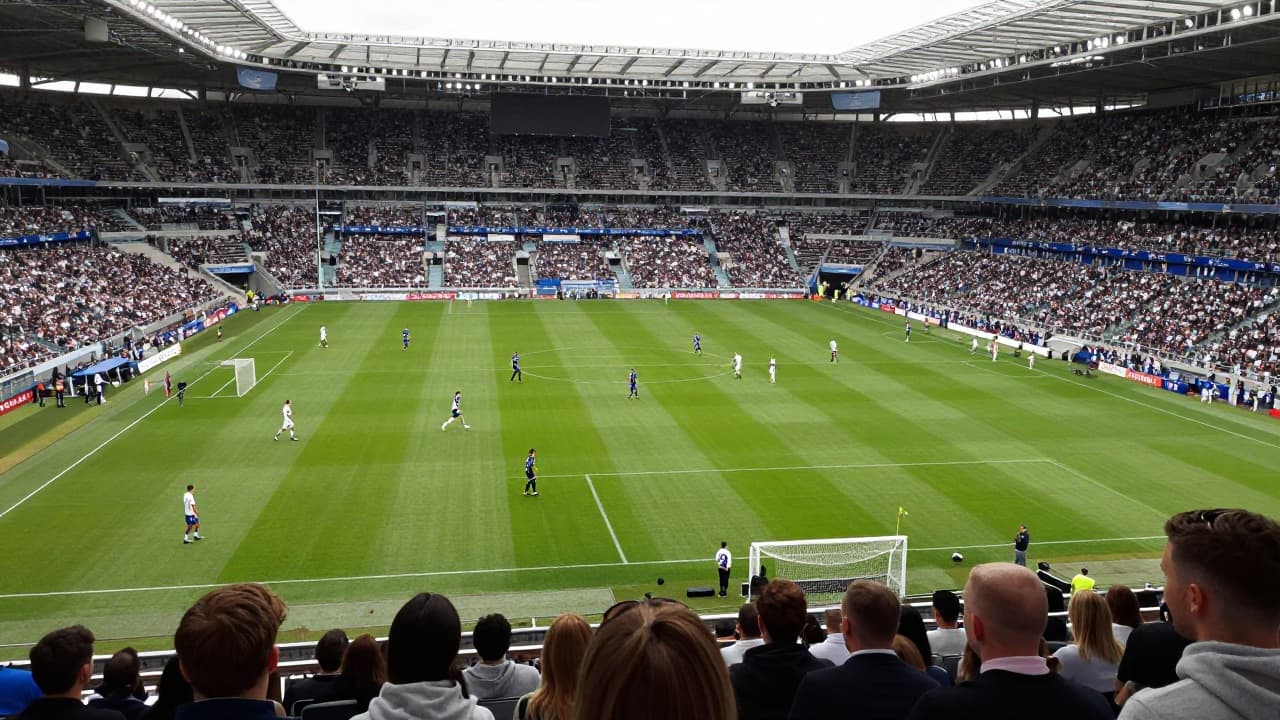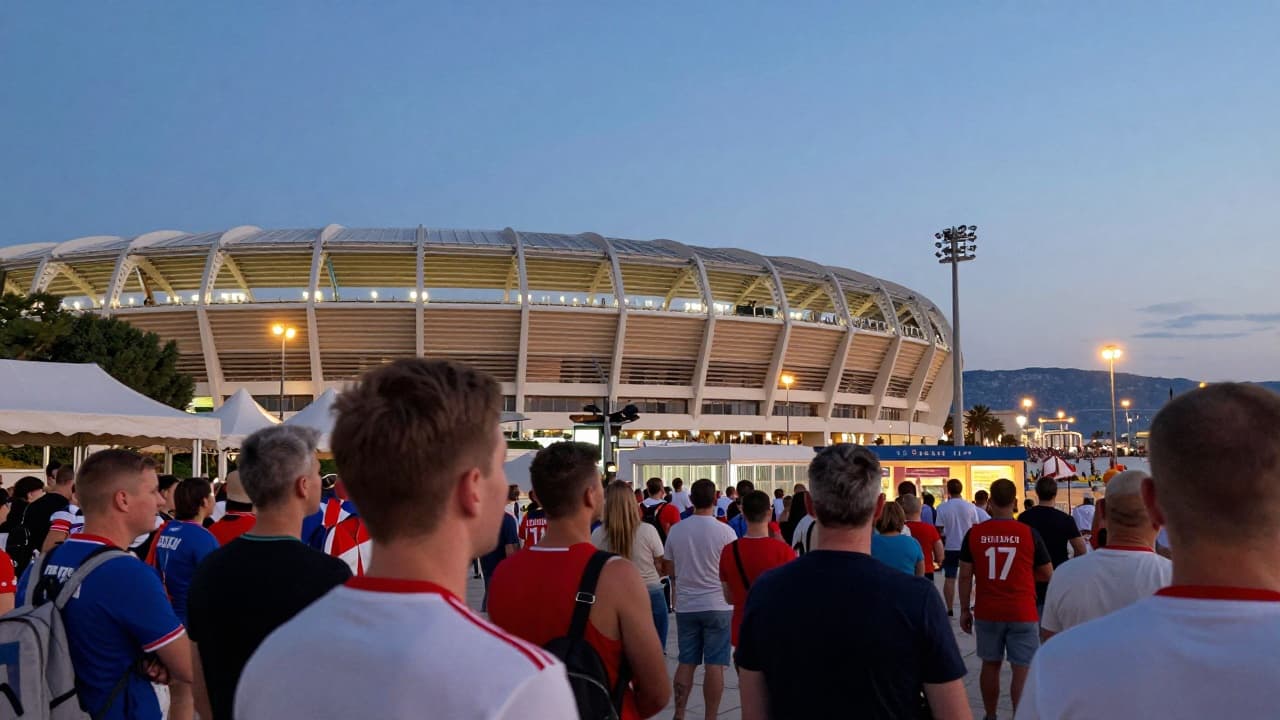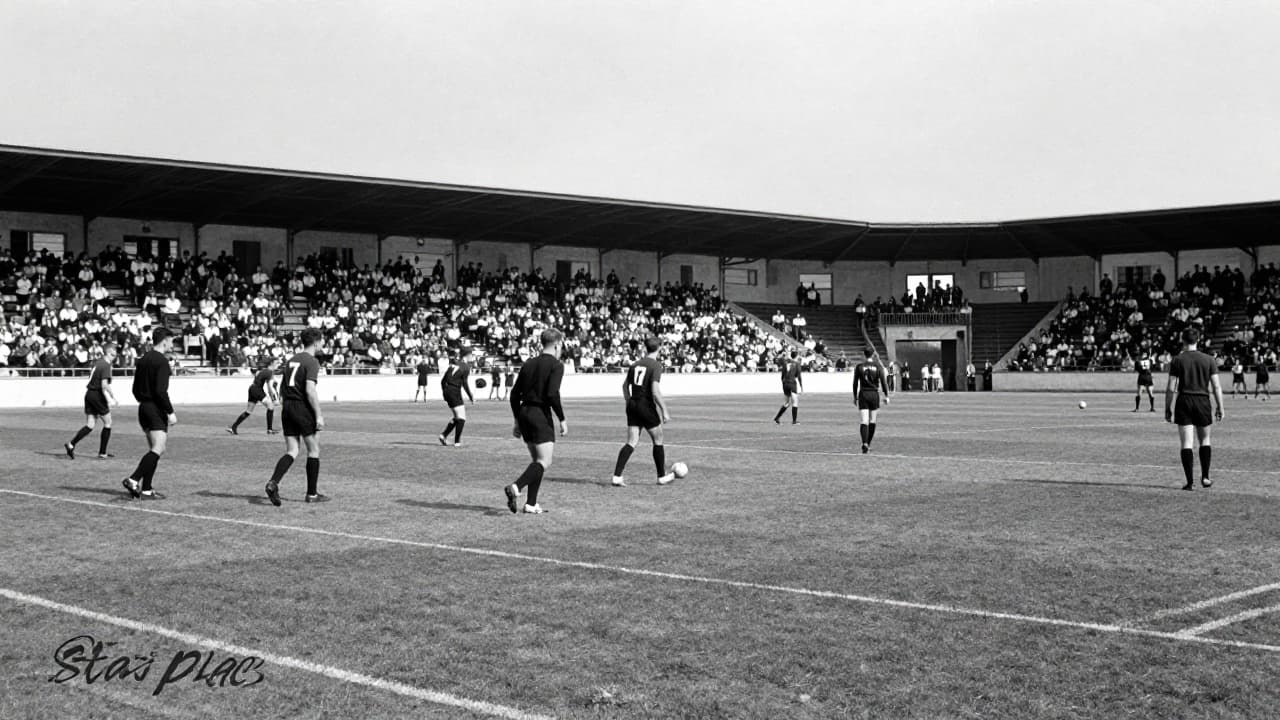
HŠK Hajduk NOVJ played against the British army team in Bari on 23 September 1944. The match was hailed as the most important sporting event in the world that year, with between 40,000 and 50,000 spectators gathering in the stands.
The fixture was initiated by the British, with Hajduk then fielding as a Yugoslav army team. Experts in the football of the era claimed the British selection was the finest British side, even in peacetime, and stronger than the English national team.
Hajduk lost 2-7 in Bari. Goals for Hajduk were scored by Miljenko Batinić and Frane Matošić. The team was led by Jozo Matošić and played in the following lineup: Petar Brkljača, Ljubomir Kokeza, Jozo Matošić (captain), Slavko Luštica, Dušan Bjelanović, Branko Bakotić, Ivo Alujević, Ervin Katnić, Miljenko Batinić, Frane Matošić and Ive Radovniković. Prior to this match, HŠK Hajduk NOVJ had recorded 18 wins and three draws in 21 games against British sides, with a goal difference of 116:21. Dr Šime Poduje stated: "The match had not even started, and we had already won."
Immediately following the Bari match, a rematch in Split was agreed upon for the end of the same year, subject to wartime conditions. The rematch took place on 26 December 1944 and was the first international match on the territory of the new Yugoslavia. Hajduk won 1-0 thanks to a goal by Frane Matošić, who stated it was his favourite goal in his career among the 729 he scored for Hajduk.
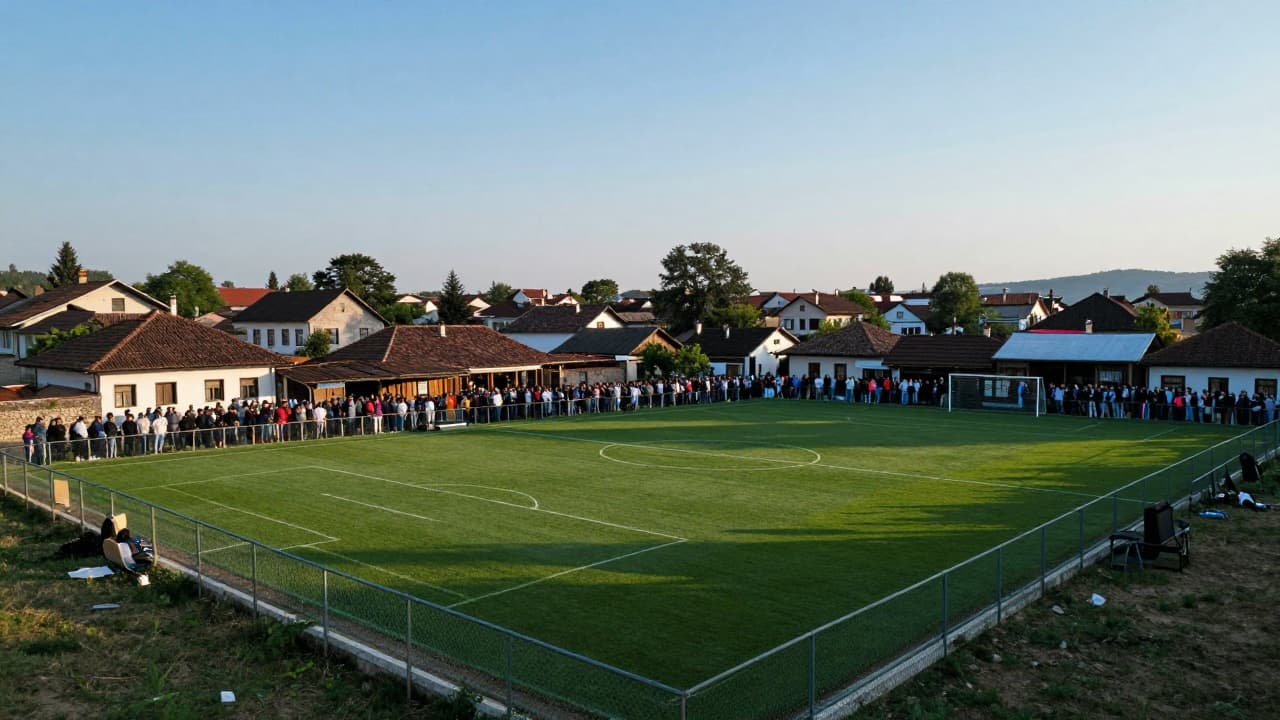
When news broke that the rematch would be held in Split, citizens of Split voluntarily set about renovating and tidying up the Old Place (Stari plac), which had been heavily damaged during the war. Around 8,000 spectators attended the match in Split. The British team in Split, as in Bari, was of very high quality, and Hajduk prepared well for the fixture, eager for revenge for the heavy defeat in Bari.