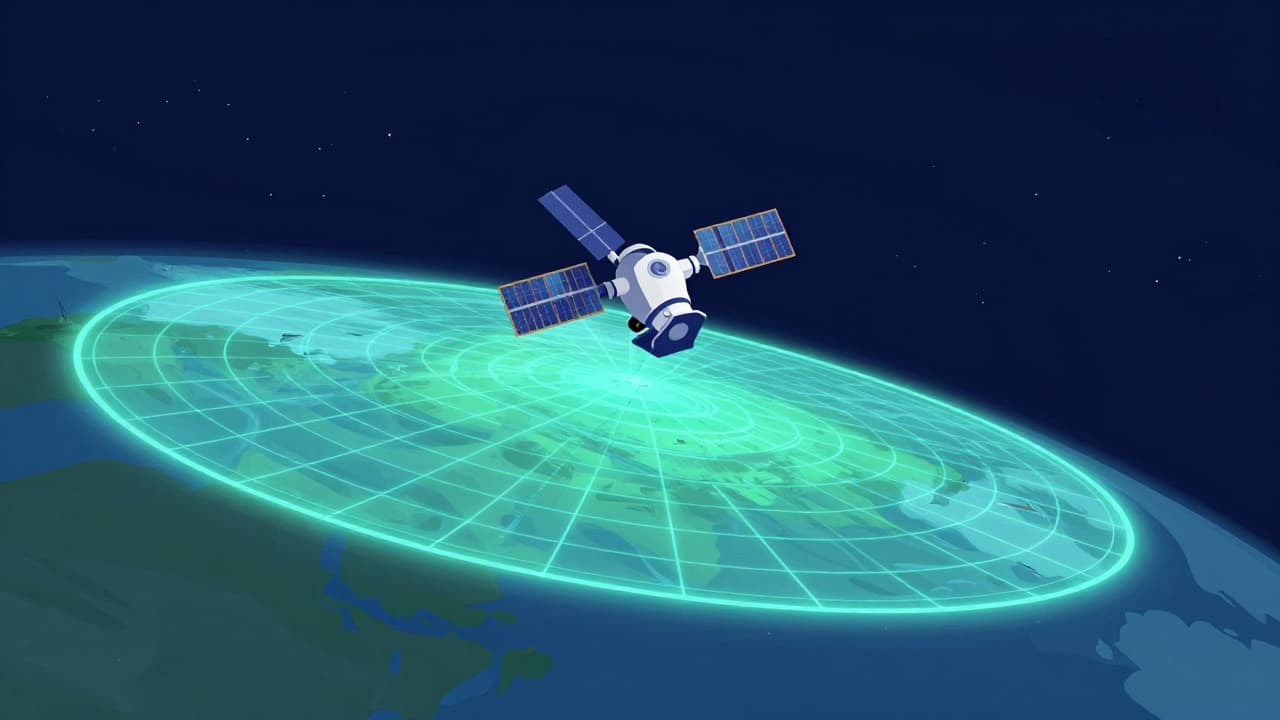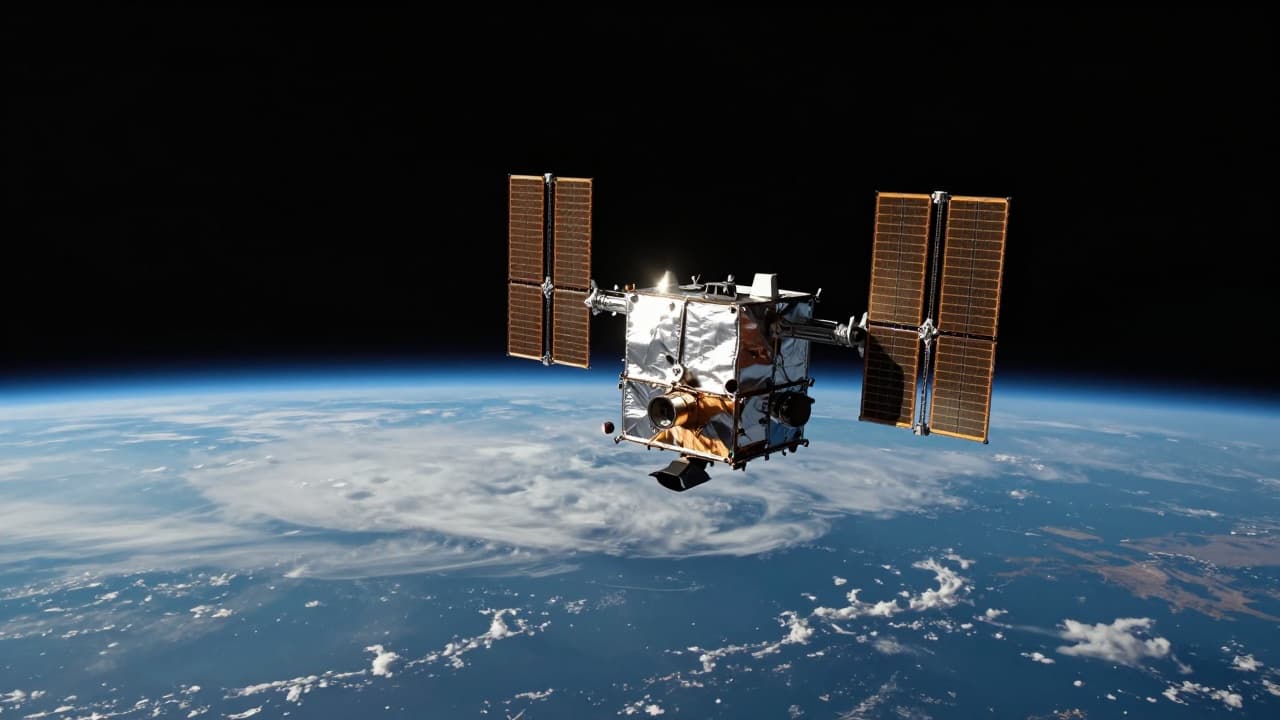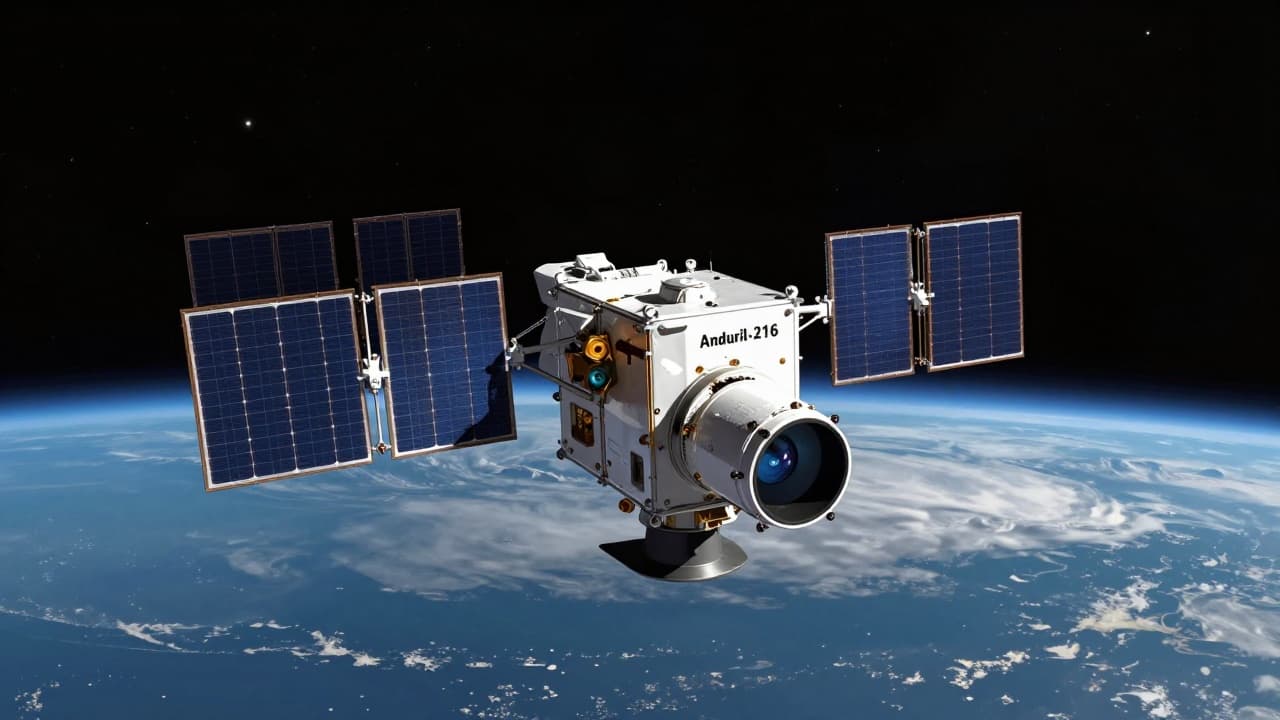
US defence company Anduril announced on 9 November the results of testing its satellite Anduril-216, four months after it was launched on 7 July by a SpaceX Falcon 9 rocket. This was a self-funded mission in which the company tested its own long-wave infrared sensor in orbit, designed for the detection and tracking of space vehicles.
Long-wave infrared sensors operate in the wavelength range of 8 to 14 micrometres and rely on thermal radiation, enabling them to function during eclipse periods that can last up to a third of an orbit. In addition to this sensor, Anduril-216 carries two electro-optical sensors from external suppliers, while Anduril’s Lattice network architecture is used for command and control of the spacecraft.
Mission 216 also served to verify two additional space infrastructure systems developed independently by Anduril. The first is a computing module for 'edge' data processing, intended to run artificial intelligence models and make autonomous decisions at the satellite level. The second is an adaptable power module for the payload. The company stated that all tested systems passed verification successfully.
Anduril has announced an offer for a complete Space Domain Awareness package to the US government and commercial operators. The company positions itself as an integrator that combines components from different suppliers into functional systems, and has been expanding in recent years from terrestrial autonomous systems to space technology.
Anduril-216 is one of three self-funded space demonstrations by Anduril. The company has formed a partnership with Argo Space to install sensors and systems on their spacecraft, while the third demo mission will use the Mira spacecraft from Impulse Space. On the Mira spacecraft in geostationary orbit, satellite proximity operations and close manoeuvring will be demonstrated.
Anduril was founded by Palmer Luckey in 2017.