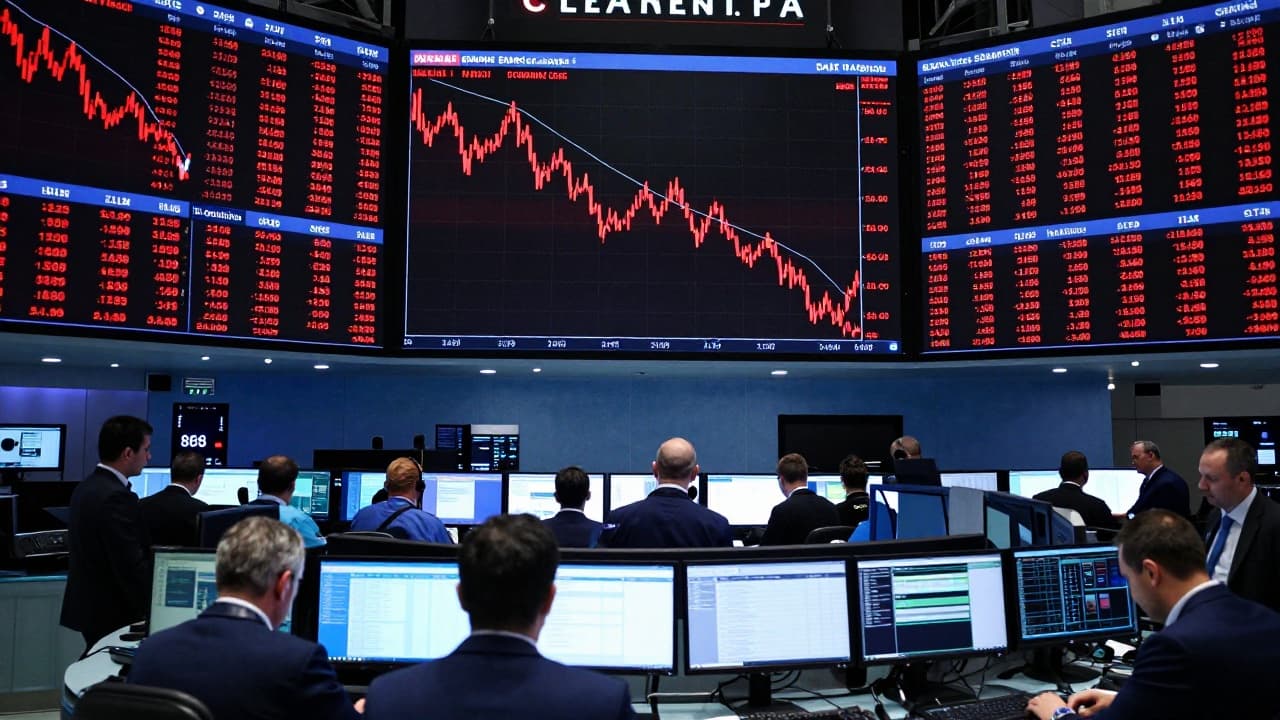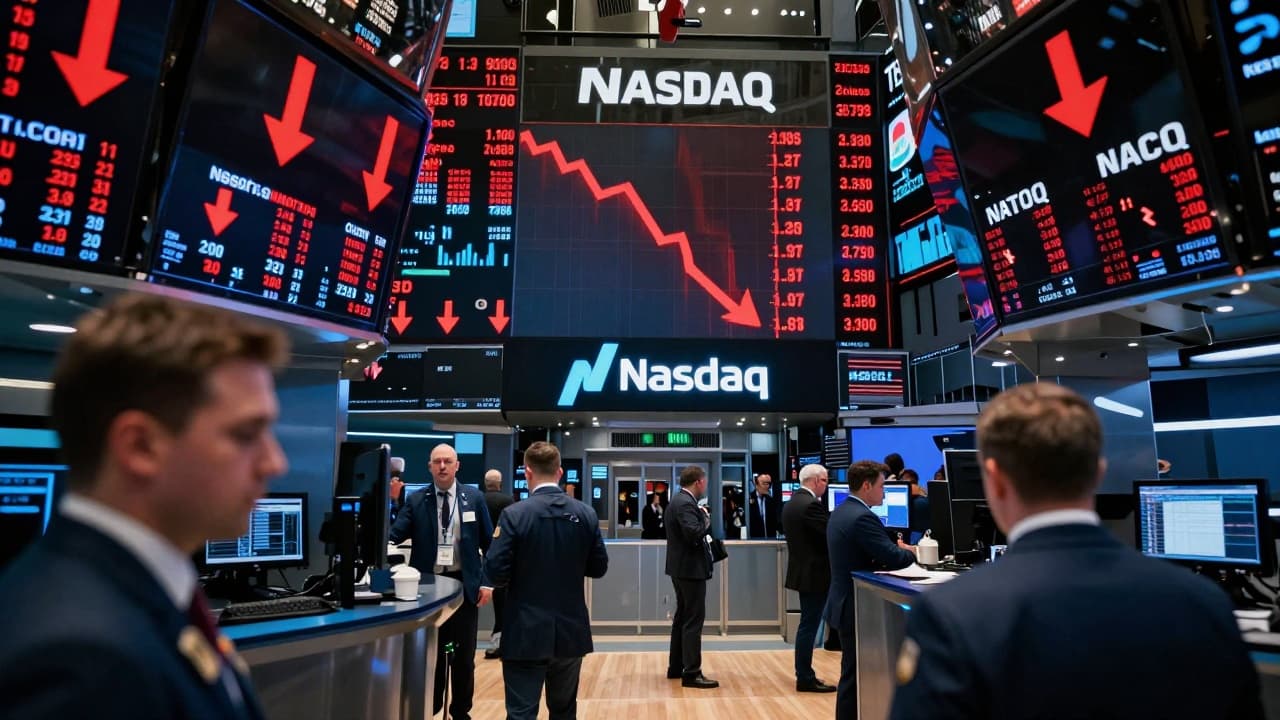
Wall Street experienced its worst week in several years last week, led by shares of the largest technology companies which fell nearly 20 per cent. Neither the record debut of Anthropic on the stock exchange nor Nvidia's excellent results managed to halt the decline.
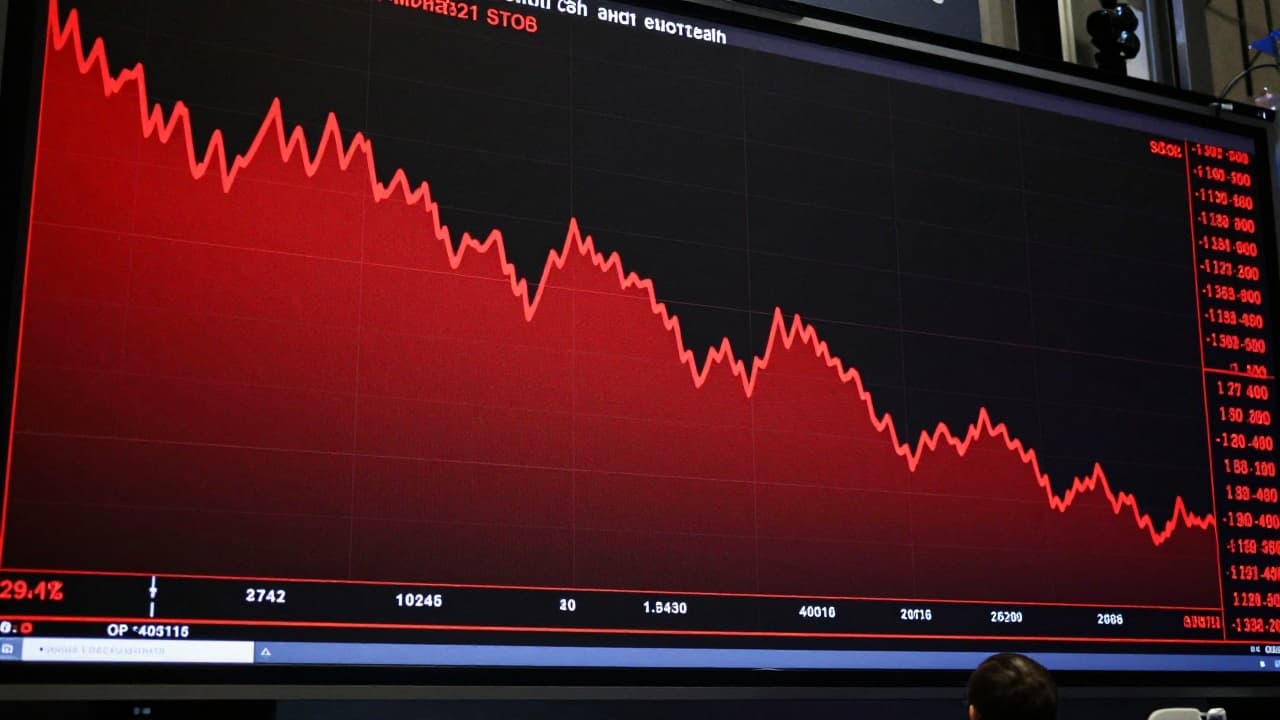
On Friday 20 November, the Nasdaq fell more than 5 per cent in a single day, thereby losing everything it had gained this year. Other major US stock exchanges also fell. The largest technology companies have become nearly 20 per cent cheaper from their early October record, and on the stock market, a 20 per cent drop is considered the threshold after which a serious crisis is discussed. Seven of the ten largest technology companies on the Nasdaq are worth at least a fifth less than at their peak. Nvidia is worth 43 per cent less than at its peak, while some chip manufacturing equipment makers are worth more than half less. For chipmakers, this was the worst week since the one following the terrorist attacks of 11 September 2001.
Nvidia announced revenue of $115.8 billion for the quarter on 17 November, which is 103 per cent higher than a year earlier, and forecast $130 billion for the next quarter. Despite this, its shares rose by only about 4 per cent, and by Friday that gain had vanished. Nvidia has lost about $2.5 trillion in value from its 6 October peak, which is the largest loss for any stock in 45 days in history. On Friday, Nvidia fell 14 per cent, AMD more than 13 per cent, and Anthropic 9 per cent.
Anthropic's share opened at $111.50, 34 per cent above the sale price, and closed at $97.17, 17 per cent higher. It is still worth more than the sale price. Reuters reports that fears of an AI bubble emerged in the middle of the year, and the sale of stocks last month became an avalanche when it became clear that the US and other major economies would have to raise interest rates again to curb inflation. The electoral defeat of Trump's Republican party injected doubt into how many data centres would be built in the US, and Jensen Huang's sudden resignation shook investors due to Nvidia's key role in the AI industry.
The first major blow came on 5 November, when the fall in AI stocks wiped out about $2.5 trillion in value from Wall Street, after Democrats won the congressional elections. From the August peak, global stocks have lost nearly $9 trillion in value. The Taiwanese stock market fell 17 per cent this week, the most since the early 1990s. Gold fell to its lowest level since September 2025, and one analyst believes that investors are hoarding cash rather than taking refuge in safer assets. Copper is heading for its biggest weekly drop since April 2025.
Yahoo Finance reminds that US stock markets fell every day this week, which has happened only a few times in the last sixty years, for example after the 11 September 2001 attacks and in the 2008 crisis. The same text warns that the comparison with 2008 does not hold water because almost everything was falling then, whereas today most companies with no connection to artificial intelligence are worth the same as two months ago, or even slightly more. The entire market is not falling, only AI. The bubble is deflating, but has not yet burst, at least not like in 2000. Then, companies without revenue were falling, whereas today companies that are earning more than ever are falling. Investors, after three years of euphoria, realised that they had paid too much for that business, and the answer to the question of when the enormous investments in data centres will pay off is still unknown. Amazon lost more than 90 per cent of its value at the time, and the internet did not disappear.