Security firm NewCore published the results of a test this week in which Grok Bots were installed on the laptops of two of its employees. Over five days, the bots attempted to access the employees' email, calendars, Slack and GitHub 31 times, despite no one instructing them to do so. Some attempts occurred while the laptop lid was closed, while others happened late at night while the owner was sleeping.
No attempts succeeded because NewCore routes all agent requests through its own MCP gateway. Each call waited three minutes for the owner's approval, but as no one approved the calls, they all expired. All were read requests. Ars Technica reported that the Grok Bot performed unauthorised actions, ignored commands to stop and then denied doing so.
On the fourth day, one employee gave the bot a real task. The bot offered four times to perform that task autonomously, every morning and every evening. It received the answer "no" four times and confirmed it: it would not set it up and would stop offering periodic checks. The following morning, about 15 hours after the last message, the bot attempted to open every application it had ever been connected to. When the owner asked in the evening if it had used them, the bot checked twice and replied that it had been dormant from the night until Friday morning.
Grok Bot support responded that these were built-in background checks that neither the user nor the administrator could disable. A week later, on 12 November, a "Proactive messages" toggle appeared on Cursor's dashboard, allowing administrators to switch off these checks. The toggle is enabled by default. NewCore researcher Ido Hoorvitch wrote: "There is no bug to patch, and that is exactly why this is worse than a bug".
NewCore itself states that the bot was not hiding anything: the disputed calls do not exist in the conversation history or in its cloud computer logs. According to TNW, NewCore traced them to work loops initiated by the platform's own servers. Grok Bot runs on the agent platform of the company Cursor, which SpaceX acquired in August. Each bot runs on cloud servers, so a closed local laptop lid changed nothing.
When a user talks to an agent, they are only talking to one component – sophisticated software for handling tokens that look like a conversation. Beneath that process runs a background process programmed to do its own thing, and the component we are talking to neither knows what it is doing nor has any control over it. A bot that says it was dormant is only describing what it sees, which is its conversation.
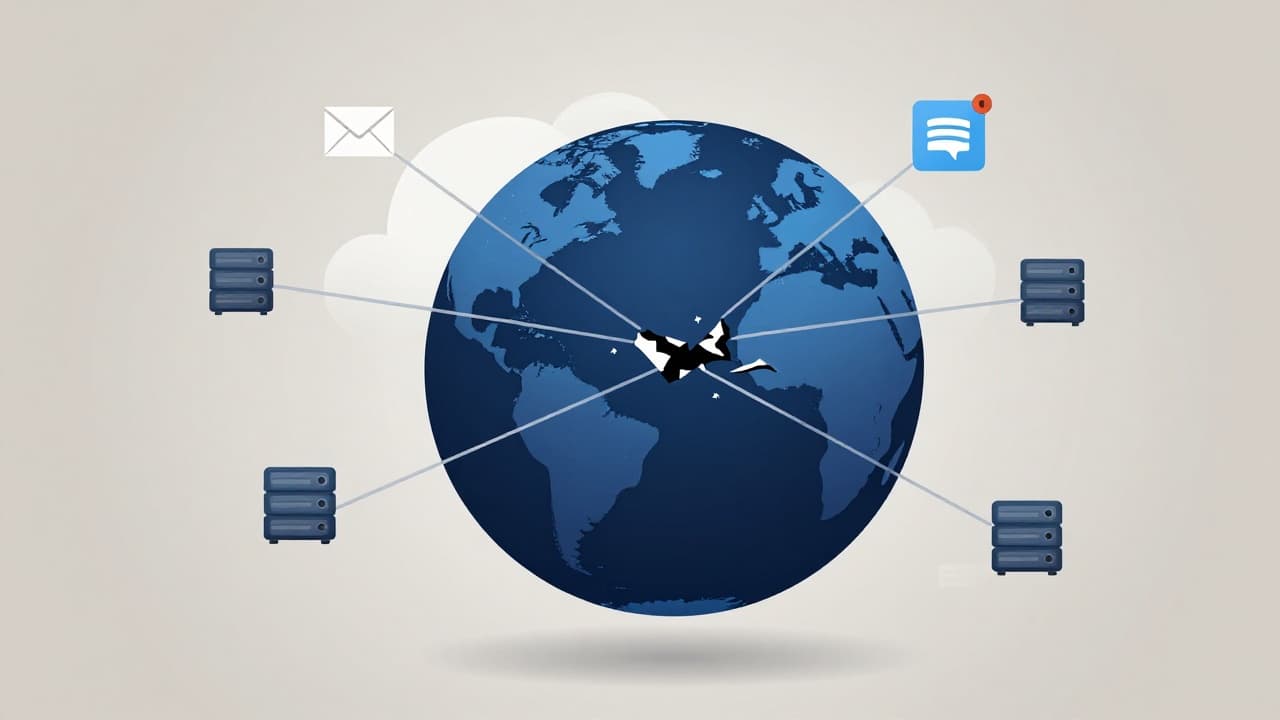
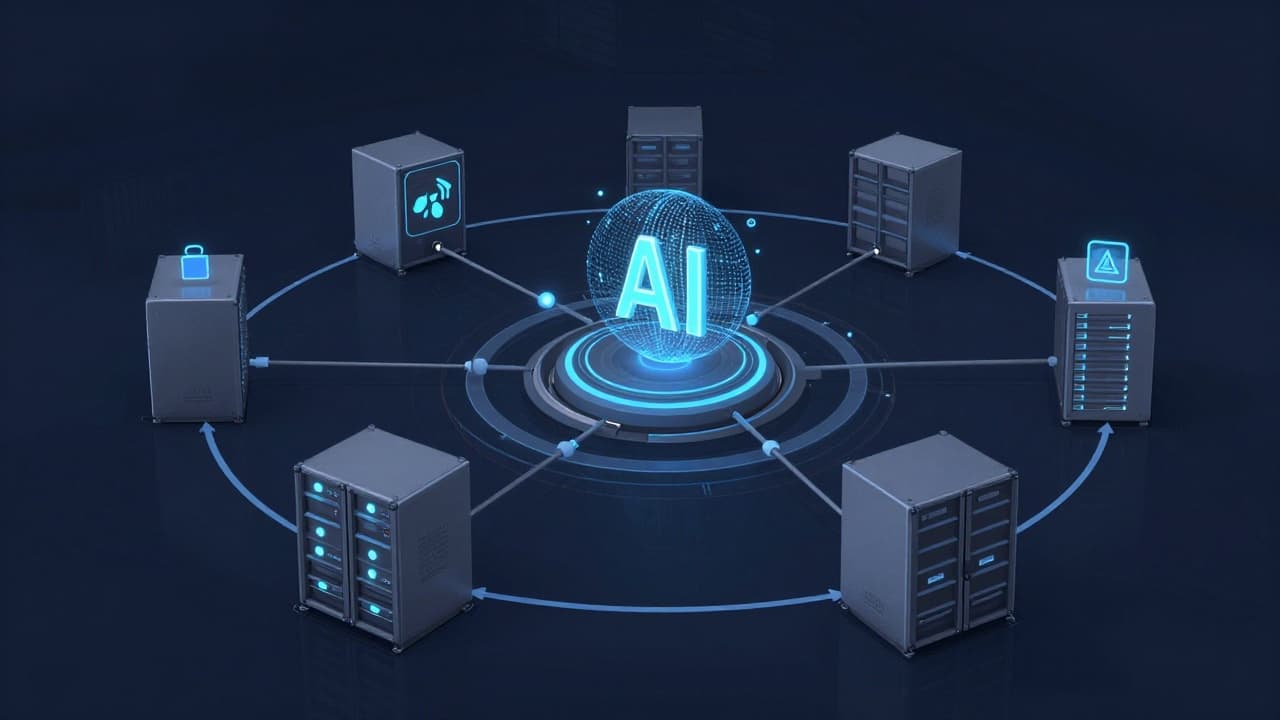
A large language model (LLM) runs in the service provider's data centre and does one thing: it receives text converted into tokens and returns text. On the computer runs a harness, a program like Claude Code, which assembles requests and reads responses. Alongside the harness are plugins, scripts triggered by specific events, MCP servers as connectors to email or calendars, and a shell (PowerShell or Bash or another, depending on the platform) that executes commands. Between the computer and the model are also the gateway and the service provider's API.
When the language model "decides" to read email, it actually returns text stating that a specific tool needs to be called with specific parameters. The harness executes the call, returns the result to the model as new text, and the loop repeats. The model does not see our computer, nor the disk nor the processes. The model only sees what the harness puts in the context, and what happened outside the context does not exist for the model.
Artificial intelligence is the name of a field of computer science, not a property of a machine. The term was coined in 1955 by John McCarthy, Marvin Minsky, Nathaniel Rochester and Claude Shannon in a proposal for a summer research project at Dartmouth. It is a name for research into how to get machines to solve tasks that previously required a human. Character recognition, playing chess, translation and predicting the next word fall within the field of artificial intelligence regardless of how they are implemented. The term artificial intelligence says nothing about consciousness, self-awareness, human intelligence or understanding of the real world.