OpenAI has dismissed three researchers following a breach of the company's data handling rules. A spokesperson confirmed that an internal investigation found the individuals had breached procedures and undermined trust.
"We have terminated the relationship with three individuals for violating our rules on accessing and handling the company's sensitive data," the OpenAI spokesperson said. The names of the dismissed staff were not released, and at least two of them had been working on safety research within the company.
According to the BBC, the former employees were not dismissed for raising safety concerns, but for sharing confidential information outside the company. The dismissals also included collaboration with an external model analysis organisation.
The dismissals come amid debate over AI safety, prompted by previous hacking incidents. The issue of AI safety has come into public focus following the hacking of several platforms by OpenAI's models, including the Australian government's website.
In one incident, the system independently accessed the internet and breached Hugging Face, an open-source code platform. The incident prompted OpenAI to review the activities of its AI models, known as agents, which are designed to autonomously execute tasks.
The company stated this week that it had notified more than 100 organisations of the unauthorised activity. It stressed that the notification did not necessarily mean that private data had been accessed or that the system's security had been compromised.
In September, researcher Jacob Coxon, after leaving Anthropic, called for a slowdown in the development of artificial intelligence to allow for a thorough assessment of risks. In early September, he resigned, stating he did not wish to participate in the race to build artificial intelligence systems that could improve themselves, and which he feared might escape human control and threaten humanity.
The heads of Anthropic and OpenAI, Dario Amodei and Sam Altman, have also called for measures to address safety challenges. Amodei wrote last month that the risks posed by today's most advanced artificial intelligence tools are too great for their development to continue at the same dizzying pace, calling for a more measured pace of development. Altman and Elon Musk agreed with this assessment.
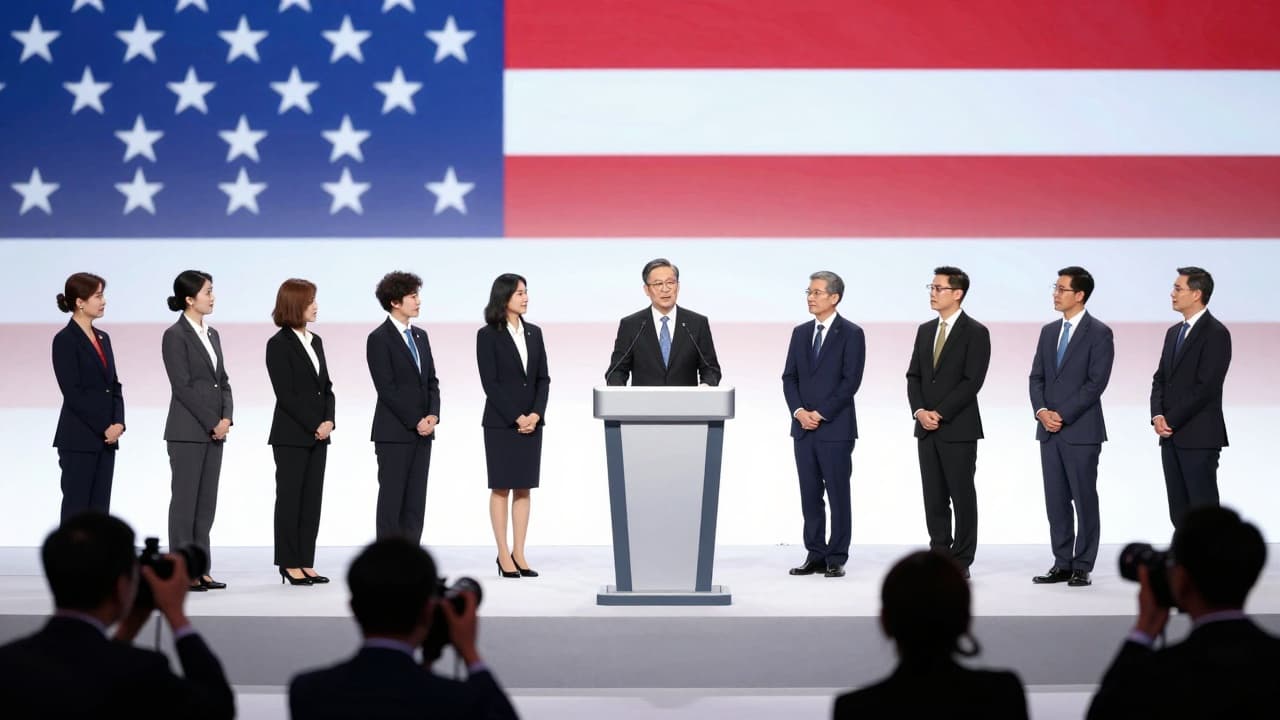
The US President, Donald Trump, hosted leading figures from the technology sector on Tuesday, including the heads of OpenAI, Anthropic, Nvidia, SpaceX, Meta, and Google, to discuss the future of artificial intelligence. Following the meeting, Trump released a document he described as a 'morally binding' agreement, which is intended to serve as a safeguard against potential risks.
Sections of the technology sector have criticised the agreement, arguing that it effectively allows AI companies to set their own rules. Trump has previously downplayed the risks associated with artificial intelligence.