
Former Paraguayan President Santiago Peña was placed under house arrest minutes after Congress recalled him, according to the state prosecutor's office. Peña is being investigated for allegedly using political influence to favour Ueno Bank.
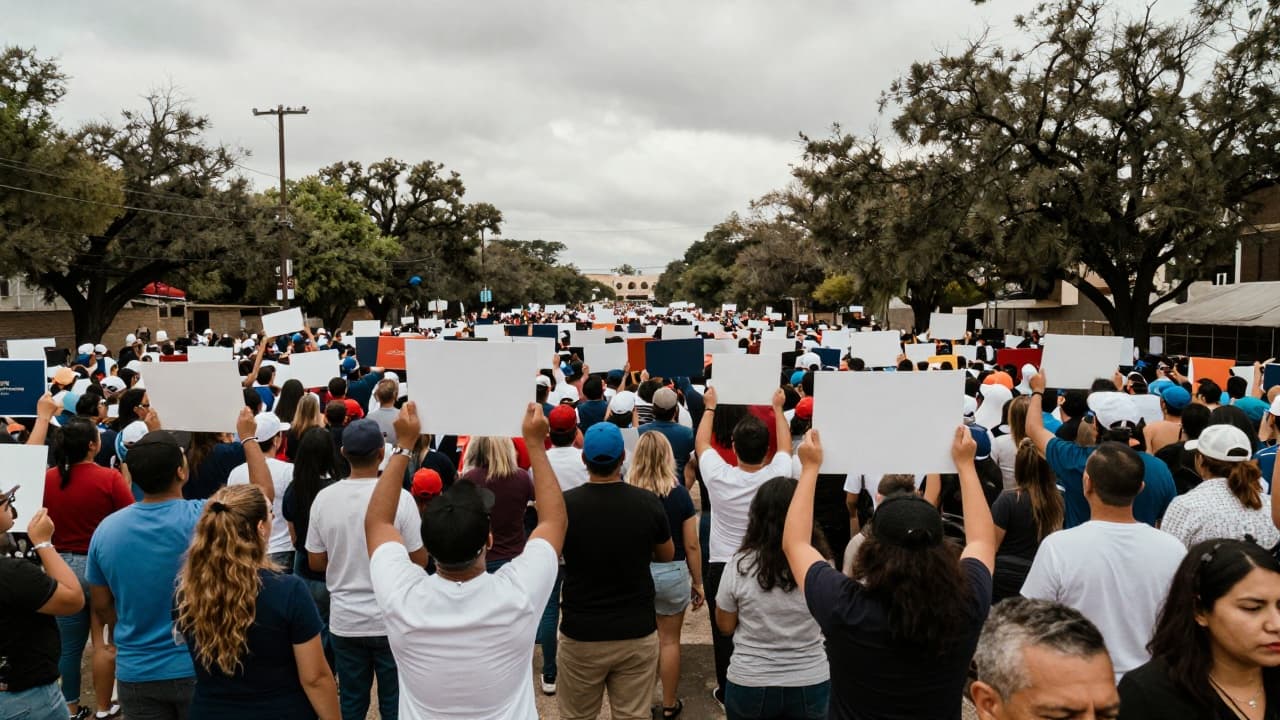
The suspension of Ueno Bank this week, following identified irregularities, froze the accounts of 2.9 million people, representing approximately 60 per cent of Paraguay's adult population. These clients were suddenly unable to access their money, even for basic purchases such as bread and water. Protests spread across the country, with some involving violent clashes with police.
The impeachment process began on Wednesday and concluded on Friday, minutes before Peña's arrest was ordered. Pedro Alliana took the oath of office as the new head of state. The state prosecutor, accompanied by police outside Peña's home, told local media that the former president had been placed under house arrest. State prosecutor Elena Fiore Franco stated that it had been confirmed that Peña was indeed inside his house. Peña voluntarily allowed police to enter and made himself available for all procedural purposes.
The state prosecutor's office opened an investigation into Peña on Thursday on suspicion of illicit enrichment, money laundering and trading in influence. On Thursday, Peña attempted to resign to retain the special jurisdiction afforded to former presidents, but legislators did not accept his resignation. Consequently, he remained subject to ordinary courts. Former presidents in Paraguay otherwise become lifetime senators.
Peña, a 47-year-old economist, was due to appear before Congress to present his defence during the impeachment proceedings, but he left this to his lawyers. He continued to post on social media. Before the conclusion of the impeachment or the issuance of the arrest warrant, he wrote: "I bid farewell with gratitude, while fully recognising the anxiety of those now awaiting answers." The post referred to former Ueno Bank clients who could not access their money.
Shortly after taking office, Peña appointed Carlos Carvalla Spalding, the former chief executive of Ueno Bank, to head the country's central bank. Three months later, Spalding, now regulating the company he had once managed, allowed Ueno Bank to become a digital bank. This placed Ueno Bank on a path to becoming one of Paraguay's largest banks by deposits within just a few years. The arrest warrant for Peña also includes Spalding.
Peña held approximately one million US dollars in shares purchased in 2019 in a company that became Ueno Holding in 2022, the parent company of the conglomerate that controlled Ueno Bank. Even after becoming president, he did not divest the shares until April 2025. He stated that he had bought them exclusively as an "investor".
Ueno Bank expanded aggressively through a system of easy account opening and promised yields far above those offered by the rest of the market. It managed to attract public pension funds managed by Peña's administration into its portfolio. Political analyst Hugo Duarte stated: "Because Ueno had the blessing of the presidency, most pension funds close to the government went to deposit their money in the bank." It is estimated that between 800 million and 860 million US dollars of state and pension funds were invested in Ueno.
As pressure mounted, retail sales fell by as much as 80 per cent because a large part of the population could not access their money. Peña lost the support of his own party. During the impeachment session, opposition senator Rafael Filizzola said that Paraguay was facing "one of the biggest corruption scandals since the return to democracy" and that it was "the greatest fraud committed from political power in the democratic period". Peña had been one of the main allies of US President Donald Trump in the region.