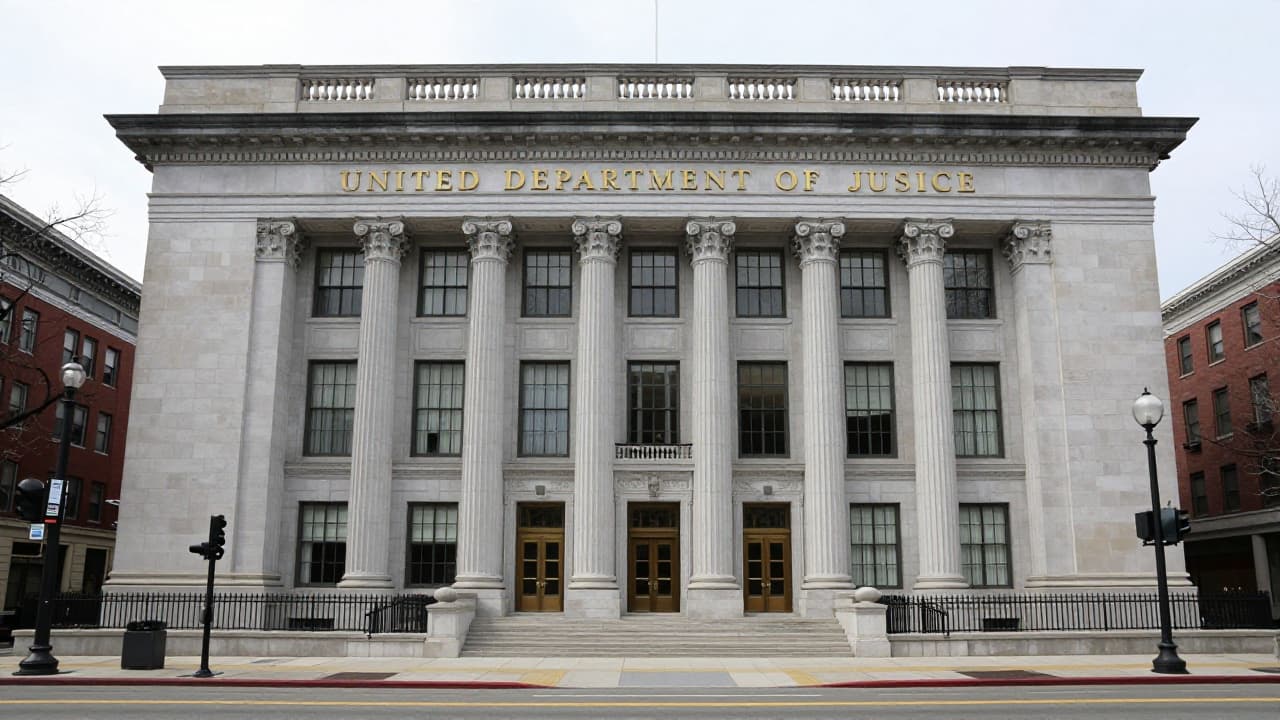
The US Department of Defense (DoD) has dismissed the editor of military newspapers, citing disciplinary measures, in a move that comes as tensions between the military wing and the media reach a peak. Although the Pentagon declined to comment on the specific circumstances of the dismissal, a source close to the situation confirmed that the reason for the dismissal was cited as insubordination.
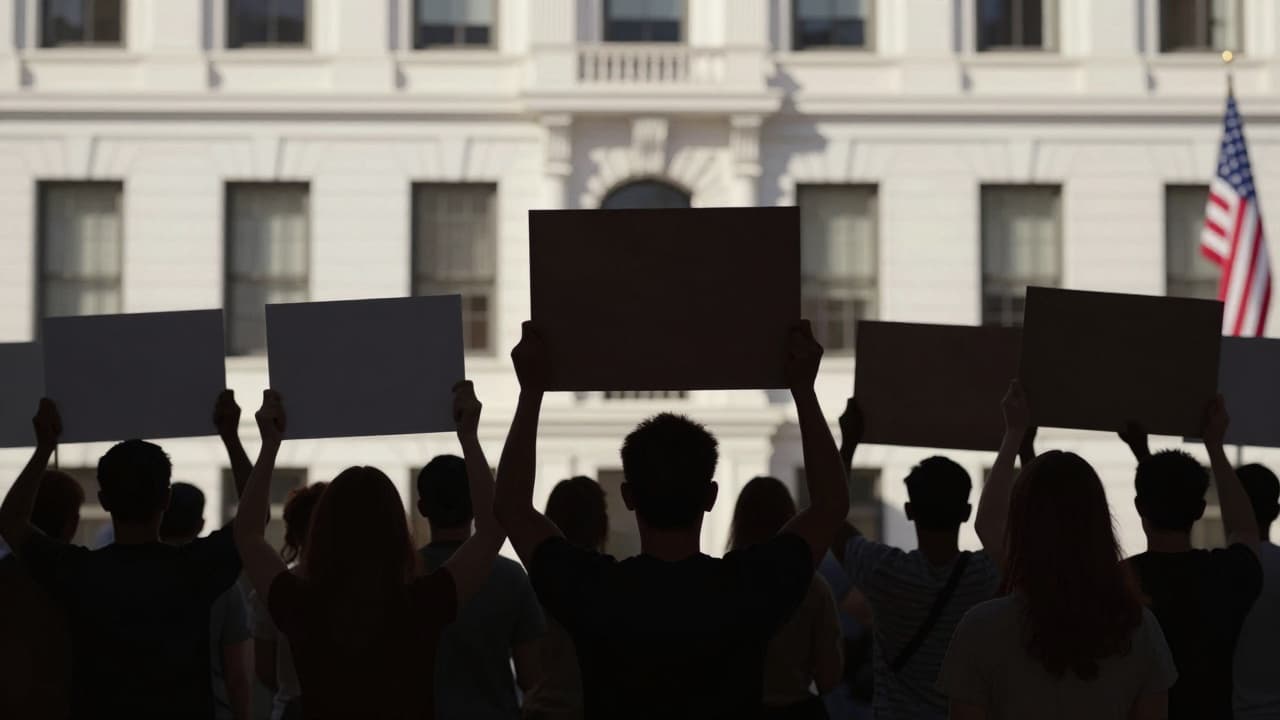
This is not an isolated incident, but part of a broader pattern of tension. Alongside the editor, a journalist was also dismissed, with both dismissals justified by similar reasons. Although the journalists expressed concern, stating that they were not provided with official and detailed explanations for the decisions, the institution remains firm in its position. Such moves come at a time when the administration is seeking to align media reporting with its own security protocols, which has led to tensions with journalists who believe their professional independence is being compromised.
It is important to note that the newspapers, although funded by the Pentagon, are editorially independent. This autonomy, which is protected by law and regulations, often comes into conflict with the administrative demands of the military. Although some changes, such as the ban on journalists entering certain zones without prior notice, have already met with resistance, the situation with the dismissal of the editor is specific as it directly affects editorial policy.
This dynamic has been further highlighted by recent events, such as the similar dispute over 'Gulf of America', where the court ordered the restoration of access, and the previous takeover of journalistic teams. Although media outlets such as the New York Times, the Washington Post, CNN, and the BBC have expressed concern, the Pentagon continues to implement its rules, creating tension within the media community. Such moves, while appearing as administrative measures, have deep implications for media freedom and their ability to report independently, which has already met with resistance within the profession.
In this context, it is important to note that 1.4 million people use the content of these newspapers daily, primarily online, making them a key source of information. Although the newspapers are still printed outside the US, particularly for members of the military forces in locations with unreliable internet access, their digital presence remains key. Such moves, while appearing as administrative measures, have deep implications for media freedom and their ability to report independently, which has already met with resistance within the profession.