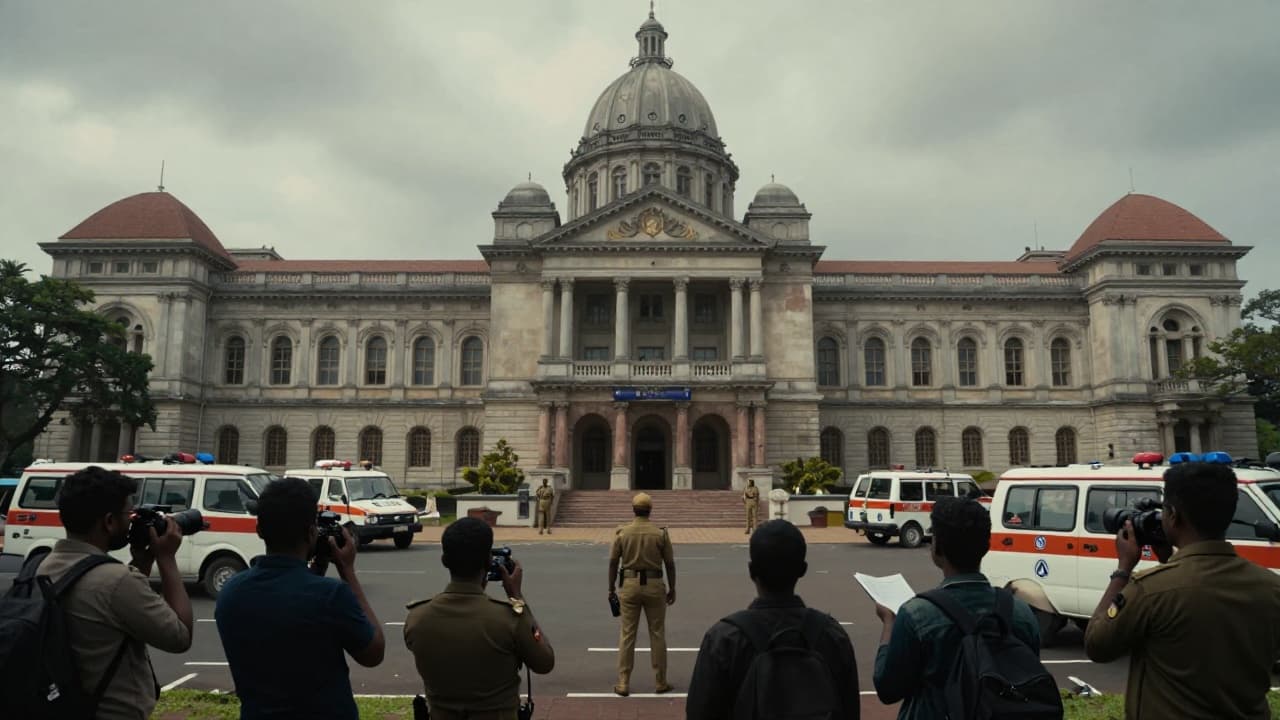
A court in Sri Lanka has found 15 men guilty of involvement in the 2019 Easter attacks, which killed 267 people and injured nearly 600. The verdict was delivered on Tuesday by a three-judge panel of the High Court, following a trial that lasted almost five years.
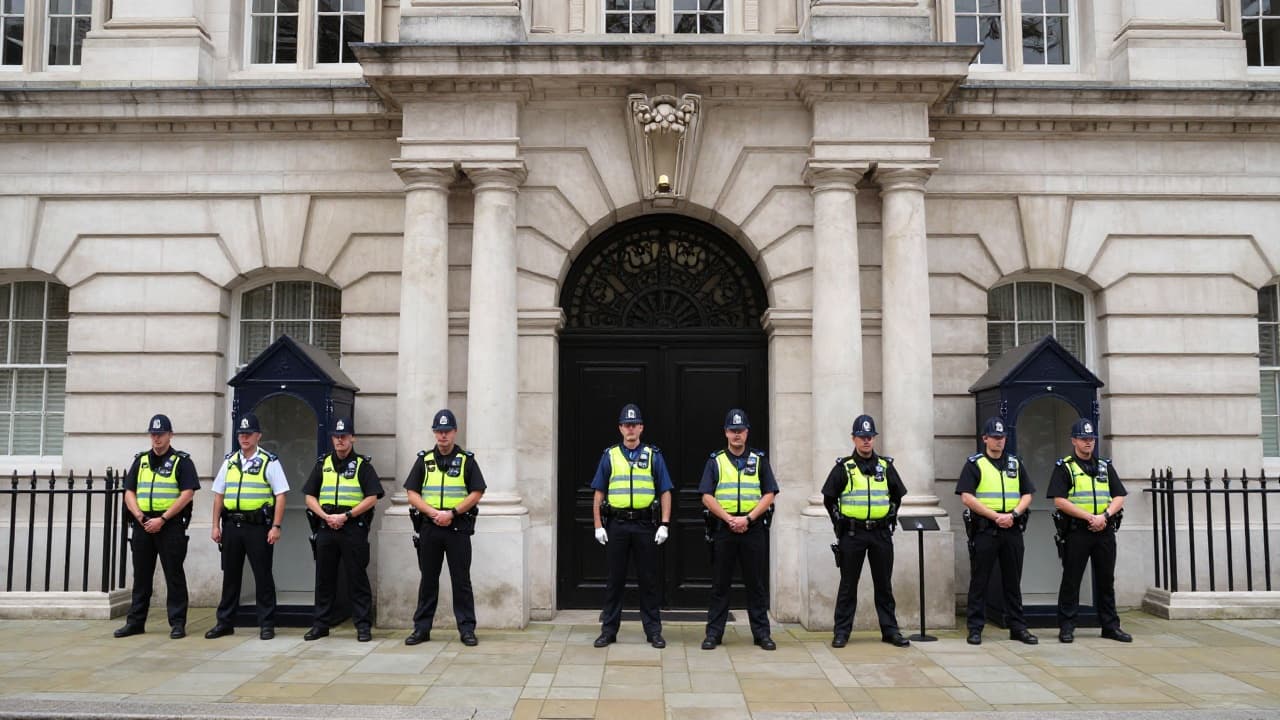
The attacks were carried out on 21 April during Easter services and celebrations. They targeted three churches and three hotels across the country. The bombings, inspired by the Islamist group Islamic State, rank among the deadliest in Sri Lanka’s history. The sentence was handed down amid heightened security, with hundreds of police officers deployed around the courthouse. Judges also ordered the confiscation of the defendants’ assets.
All those convicted belong to Sri Lanka’s Muslim minority. In 2021, authorities filed 23,270 charges against 25 suspects for planning or inciting the attacks. The charges included murder, conspiracy to commit terrorism, and offences related to firearms and explosives under the Prevention of Terrorism Act. None of those believed to have directly participated in the attacks are alive. Two Islamist militant groups based in Sri Lanka were charged with carrying out the attacks.
During the reading of the verdict, the defendants appeared relaxed, chatting and laughing with each other during breaks, and were granted an approved break for prayer. Nine defendants were acquitted as the court did not consider the evidence against them sufficient. One other defendant died before his case came to trial. The acquitted embraced the others in tears as they were separated from the convicted.
The convicted were then invited to present arguments for lighter sentences. Five defendants were sentenced to 200 years each, five to 220 years each, four to 240 years each, and one to 260 years in prison. The sentences are based on their involvement in the conspiracy and assistance in the attacks. Mohamed Ibrahim Saadiq Abdulla was sentenced to 240 years in prison with hard labour. "What I did or did not do, only God and I know," Abdulla said. "In the end, all people will be resurrected and God will judge everyone."
In calculating the sentences, the court took into account all seven explosions: three in churches, three in tourist hotels, and one in a motel. At the motel, the attacker killed himself and two others after abandoning plans to attack a fourth hotel. Prosecutor Haripriya Jayasundara argued for longer prison sentences, stating that the defendants were part of a well-planned attack intended to kill Christian worshippers and tourists. He said this intent was proven by a video left by one of the suicide bombers, recorded the day before the attacks. In the footage, masked attackers armed with rifles and swords pledged allegiance to then-leader of Islamic State Abu Bakr al-Baghdadi and promised to make Sri Lanka an Islamic state and fight for that cause.
The Catholic Church in Sri Lanka claimed, without providing evidence, that the perpetrators identified so far were not the masterminds behind the attacks and that a larger conspiracy lay behind them. The Archbishops’ Conference found that police and intelligence officials had not acted on repeated intelligence warnings about the attacks. In July, the former police chief and a former senior defence ministry official were also sentenced to death for failing to act promptly on foreign intelligence warnings about possible attacks. Sri Lanka has not carried out any death sentences since 1976, and death sentences in the country are usually commuted to life imprisonment.