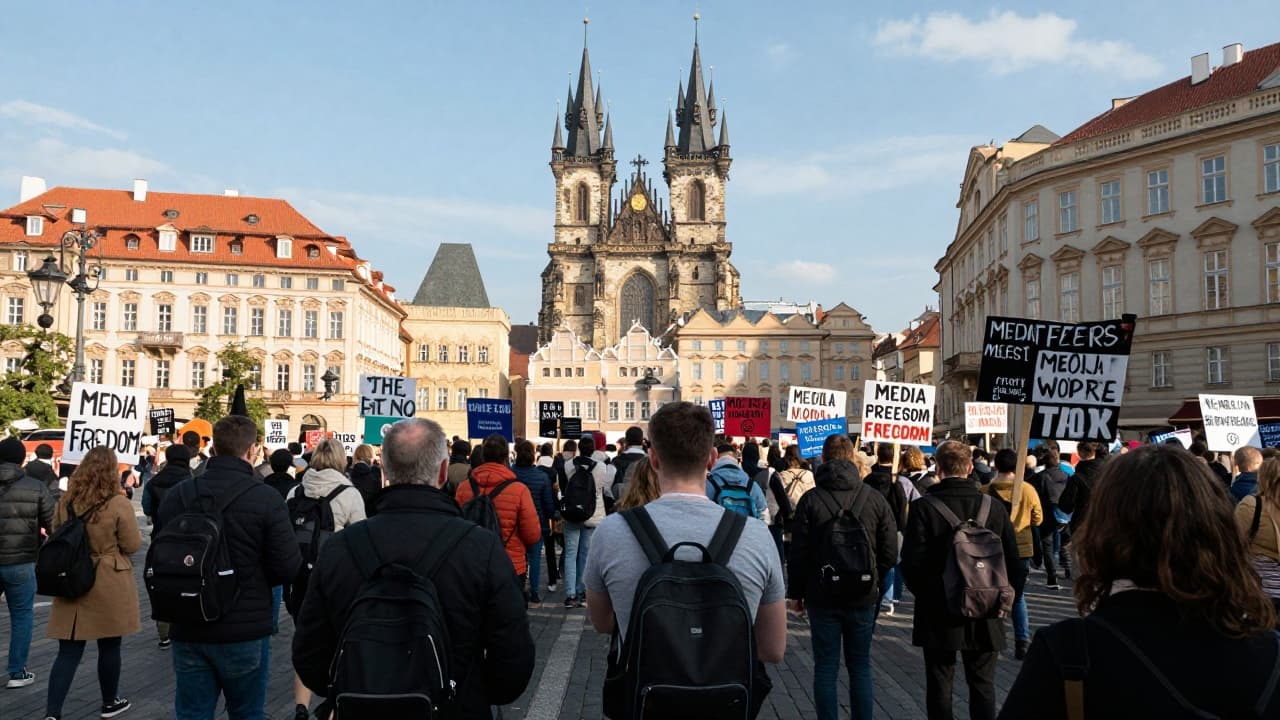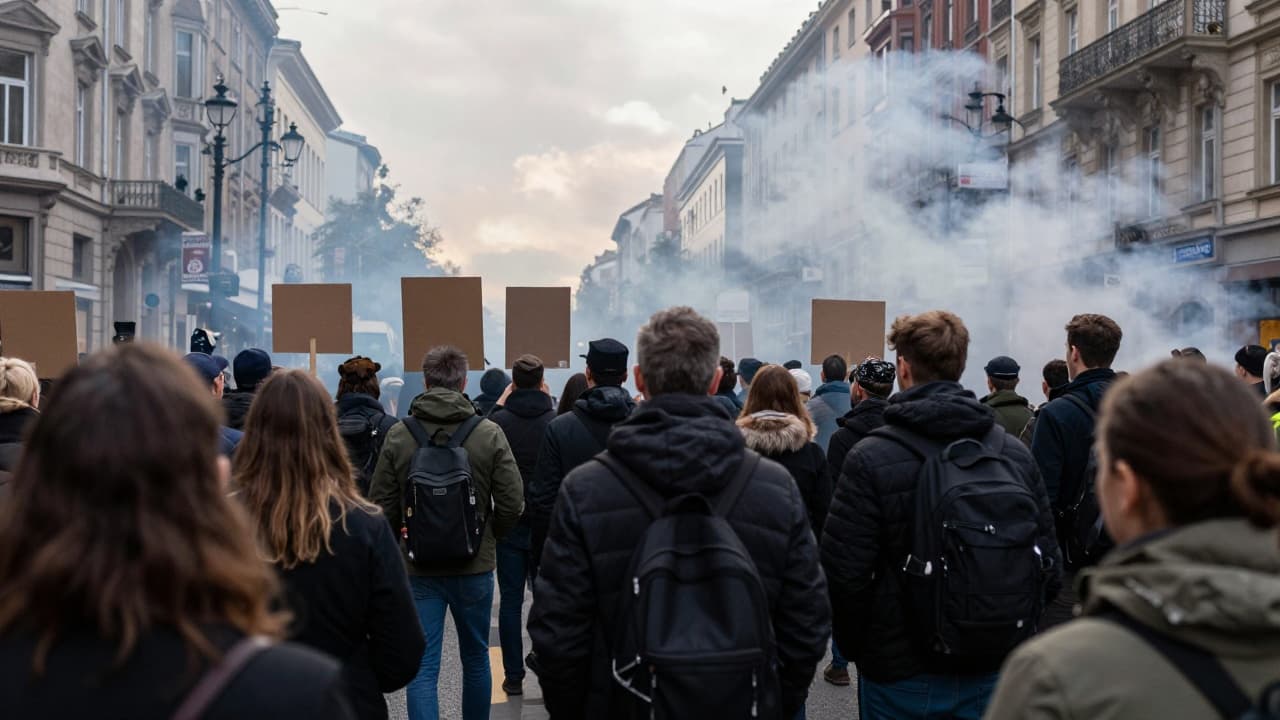
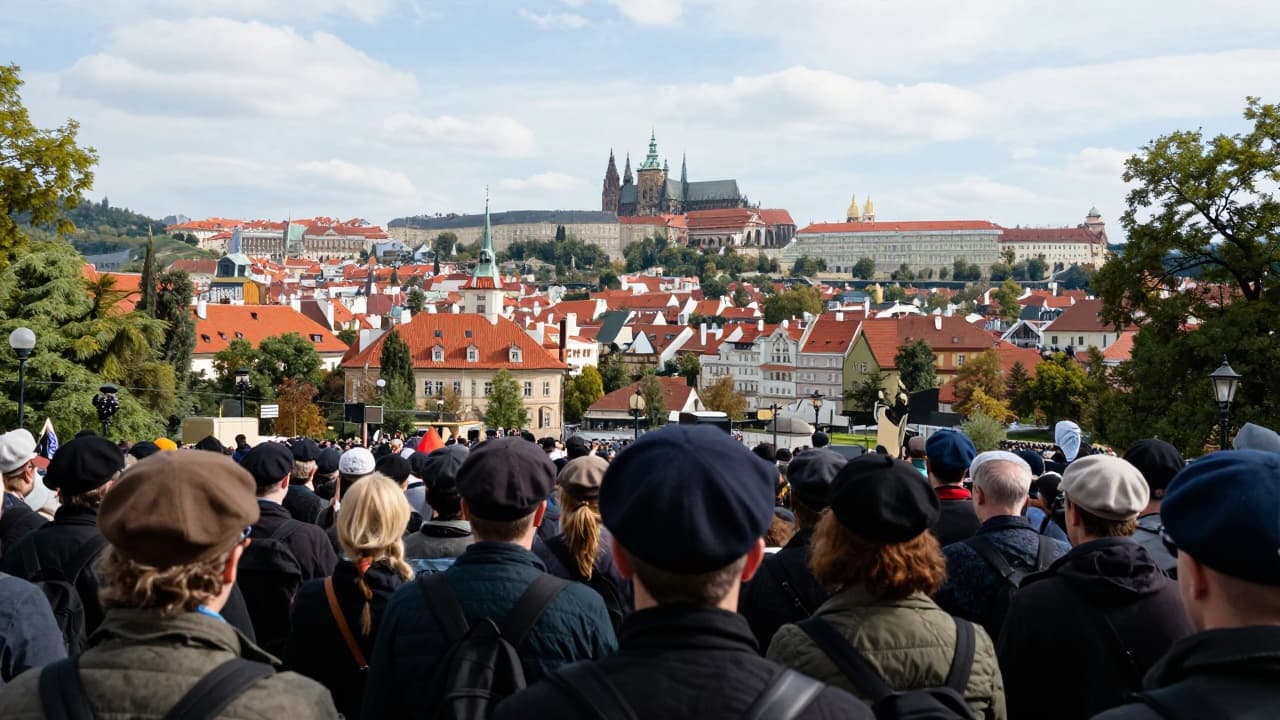
Tens of thousands of Czechs gathered in Prague on Sunday to protest against the government's plan to abolish the public media fee and fund broadcasters from the state budget. Local authorities estimated that hundreds of thousands of people could attend the rally, and the space in front of the stage in Letná Park, overlooking the Czech capital, filled up quickly. Protesters caused congestion at nearby metro stations.
The gathering was held ahead of the 17 November holiday, which commemorates the 1989 Velvet Revolution that overthrew communist rule and brought dissident and playwright Václav Havel to the head of state. Many protesters wore hats made of newspapers, paying tribute to the animated character who has introduced children's bedtime stories on Czech television for decades.
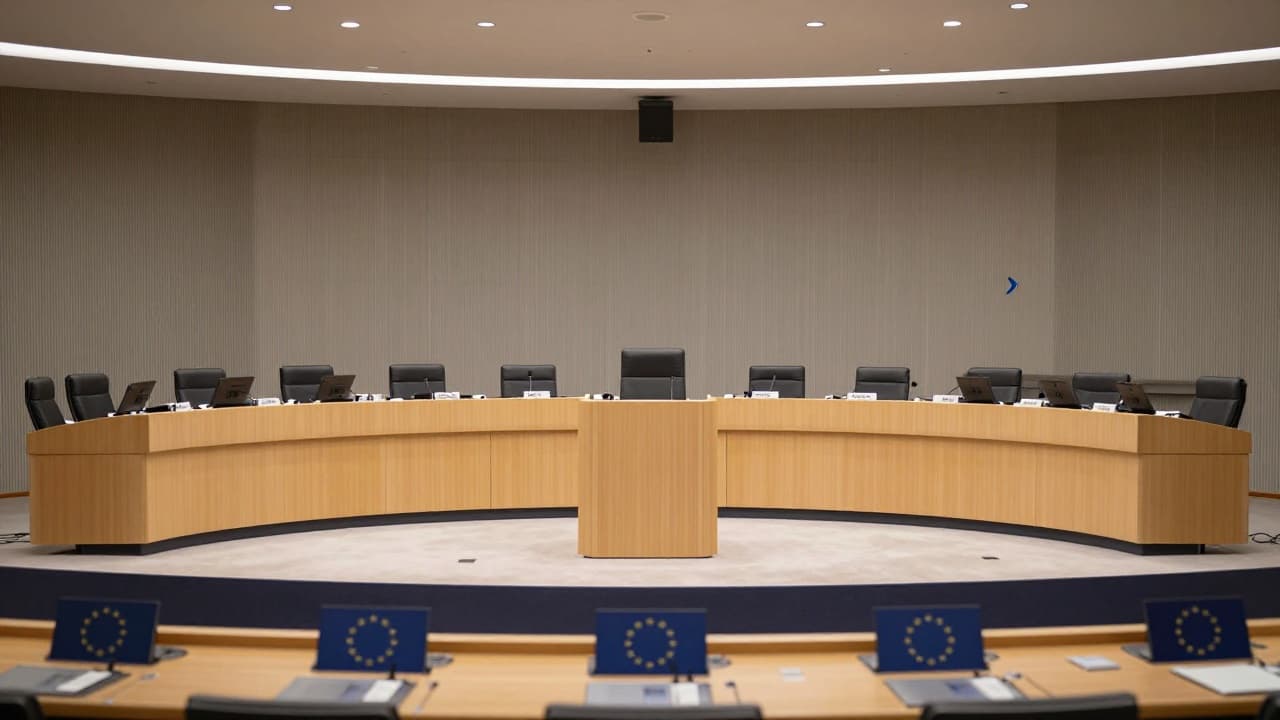
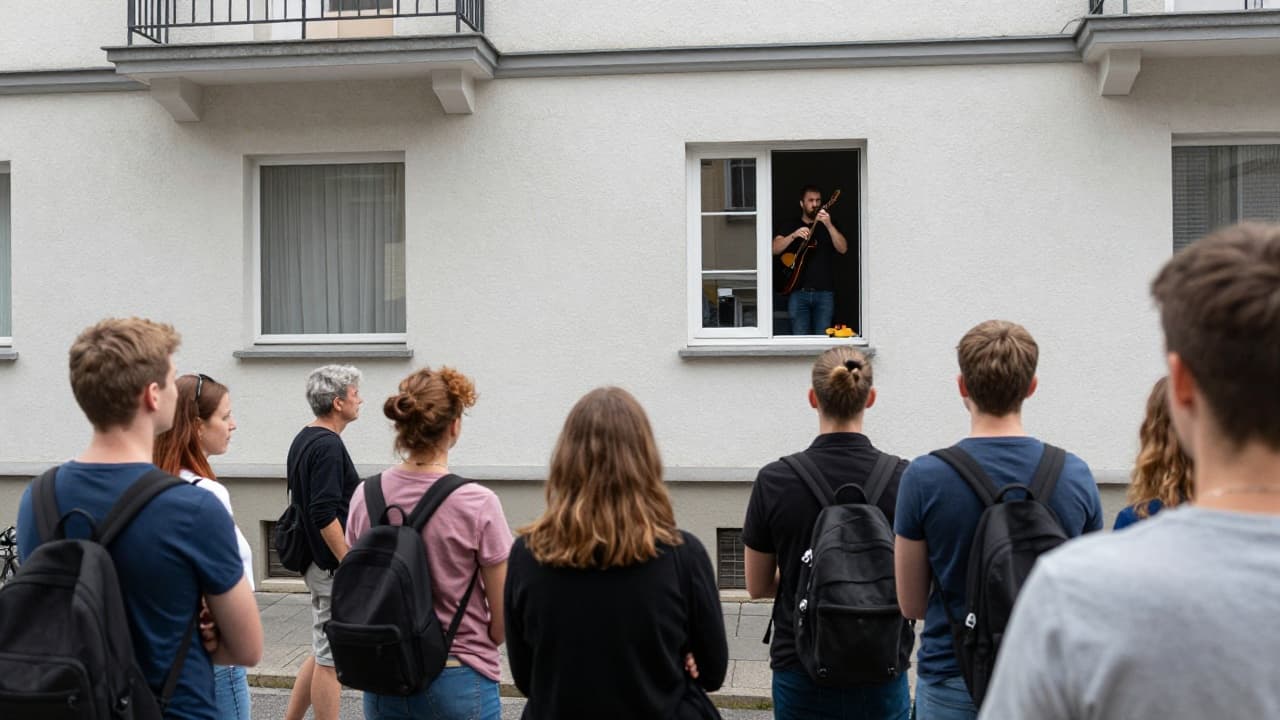
Critics argue that the proposed policy would undermine the independence and sustainability of public media. Opposition parties compared the proposals in the draft law presented in October to changes in Hungary under former Prime Minister Viktor Orbán, who created a number of pro-government media outlets there. The protests were also supported by artists and students.
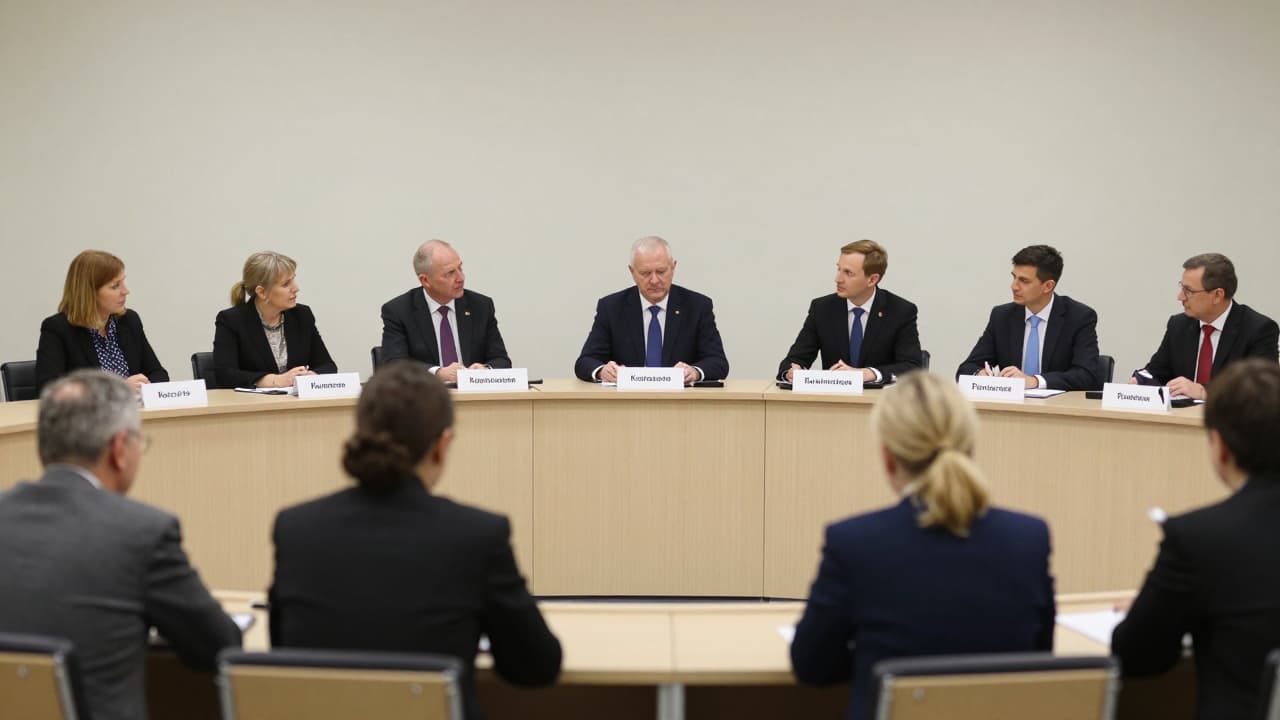
The populist government of Prime Minister and billionaire Andrej Babiš, backed by the far-right SPD party and the Eurosceptic Automobilists party, accuses private and public media of bias. The ruling coalition supports a bill to abolish the monthly public media fee of 205 crowns (€8.39), which is currently used to fund them. The proposal has passed its first reading and awaits further debate. Babiš claims the government is merely fulfilling a promise to reduce the financial burden on citizens.
Critics point out that shifting funding to the state budget would damage the relationship between media and viewers who pay the fee, and would make the sector vulnerable to political pressure. A proposed 15 per cent cut in funding, part of these changes, would reduce the television's nominal budget to 2008 levels and the radio's budget to 2005 levels. Media reports describe this as unfeasible.
Employees of Czech public television and radio intensified their struggle with a one-day strike in early November, which led to restrictions in programming.